Practical Nurse Training Vs Registered Nursing Education: Understanding the Difference
Posted by Sovereign School of Nursing
Filed in Business 203 views
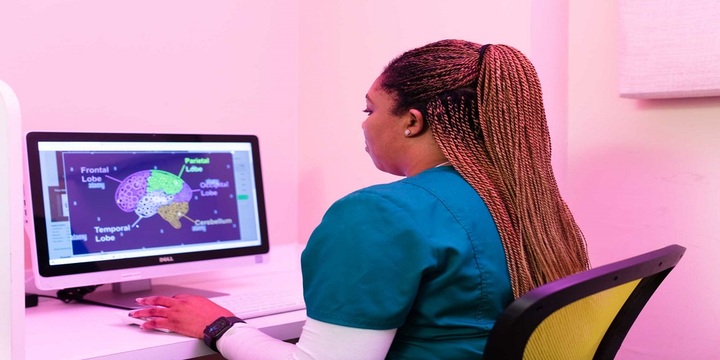
Why healthcare careers attract individuals is because it enables them to make a meaningful difference besides building stable and rewarding professional lives. Among the several career paths in front of individuals today, practical nurse training and registered nursing education stand out as two popular options. Both these streams prepare students to work in patient care environments. Nevertheless, they differ in training depth, responsibilities, and career opportunities. To make informed educational decisions, it is important for professionals to understand how they differ from each other.
Understanding Practical Nurse Training
Practical nurse training prepares students for entry level nursing roles with the principal focus on direct patient care. Usually, these programs combine classroom instruction with clinical experience to help students develop practical healthcare skills in real world settings.
In these courses, training covers subjects like anatomy, patient care techniques, infection control, medication administration, and communication within healthcare environments. Students learn how to monitor patients, assist with daily care needs, and support medical teams under professional supervision.
One strong reason that makes practical nurse training attractive is its relatively shorter duration when compared to advanced nursing education pathways. So, the students can enter the healthcare workforce sooner while gaining valuable experience.
Understanding Registered Nursing Education
Registered nursing education consists of more extensive academic and clinical preparation. Depending on the educational route they prefer, students may complete diploma, associate, or bachelor's degree programs that provide broader medical knowledge and leadership preparation.
Most registered nursing programs include advanced coursework on patient assessment, nursing theory, critical thinking, and healthcare management. Clinical training is an essential component, which capacitates students to apply classroom knowledge in hospitals and other healthcare settings.
Because of this broader educational foundation, registered nurses often carry greater clinical responsibility and may participate more actively in care planning, patient assessment, and coordination with physicians and healthcare teams.
Take Away
Though practical nurses and registered nurses play an important roles in patient care, their daily responsibilities usually differ. Practical nurses mainly focus on hands on care and patient support to ensure comfort and assist with routine healthcare needs. Registered nurses, while also involved in direct care, may take on more complex responsibilities involving assessment, documentation, treatment planning, and supervision. So, the choice between these paths depends on personal goals, financial considerations, and long term career aspirations.
In fact, we see that practical nurse training and registered nursing education each offer meaningful pathways into healthcare. By knowing the differences between these options, future healthcare professionals can choose the path that best aligns with their goals, interests, and vision for a nursing career.