Hepatologist Dubai: Role in Managing Fatty Liver Disease
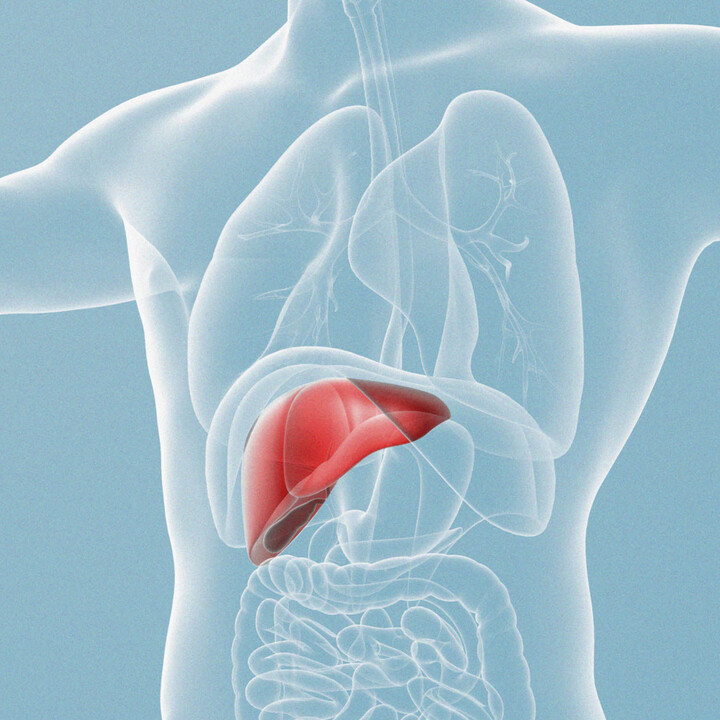
The liver is one of the most important organs in the human body. It helps process nutrients, remove toxins, support digestion, and regulate many essential functions. When the liver becomes unhealthy, it can affect overall well-being and quality of life.
In recent years, fatty liver disease has become a growing health concern around the world. Due to changes in lifestyle, unhealthy eating habits, obesity, and diabetes, more people are being diagnosed with this condition than ever before. Many individuals may not even realize they have fatty liver disease because it often develops without obvious symptoms in its early stages.
If you are looking for a hepatologist dubai, understanding the role of a liver specialist can help you make informed decisions about your health. A hepatologist specializes in diagnosing, treating, and managing liver diseases, including fatty liver disease. Their expertise can play a vital role in preventing complications and improving long-term liver health.
This article explains fatty liver disease, its causes, symptoms, risks, and how a hepatologist helps patients manage this condition effectively.
Understanding Fatty Liver Disease
Fatty liver disease occurs when excess fat accumulates in liver cells. While a small amount of fat in the liver is normal, too much fat can interfere with liver function and lead to inflammation or damage.
There are two main types of fatty liver disease:
1. Non-Alcoholic Fatty Liver Disease (NAFLD)
This type develops in people who consume little or no alcohol. It is commonly associated with obesity, diabetes, high cholesterol, and metabolic syndrome.
2. Alcohol-Related Fatty Liver Disease
This condition occurs due to excessive alcohol consumption, which causes fat buildup and liver damage over time.
Both types require proper medical evaluation and management to prevent disease progression.
Why Fatty Liver Disease Is a Growing Concern
Fatty liver disease has become increasingly common because of modern lifestyle habits. Sedentary behavior, processed foods, sugary beverages, and weight gain contribute significantly to its development.
Many people are unaware they have fatty liver disease because symptoms may not appear until the condition becomes more advanced. Without proper treatment, fatty liver disease can progress to more serious liver conditions such as:
- Liver inflammation
- Liver fibrosis
- Liver cirrhosis
- Liver failure
- Liver cancer
Early diagnosis and treatment can significantly reduce these risks.
Common Causes of Fatty Liver Disease
Several factors can increase the likelihood of developing fatty liver disease.
Obesity
Excess body weight is one of the most significant risk factors. Fat accumulation throughout the body often leads to fat buildup in the liver.
Type 2 Diabetes
People with diabetes frequently experience insulin resistance, which contributes to liver fat accumulation.
High Cholesterol and Triglycerides
Elevated blood fat levels increase the risk of fatty liver disease.
Poor Diet
Diets high in sugar, refined carbohydrates, and unhealthy fats can promote liver fat accumulation.
Lack of Physical Activity
A sedentary lifestyle contributes to weight gain and metabolic problems that affect liver health.
Excessive Alcohol Consumption
Alcohol can directly damage liver cells and increase fat accumulation.
Certain Medications
Some medications may contribute to liver fat buildup in susceptible individuals.
Symptoms of Fatty Liver Disease
One of the challenges of fatty liver disease is that it often causes no symptoms during its early stages.
As the condition progresses, some individuals may experience:
- Fatigue
- Weakness
- Unexplained weight loss
- Abdominal discomfort
- Feeling of fullness in the upper right abdomen
- Difficulty concentrating
- General discomfort
Advanced liver disease may cause:
- Swelling in the abdomen
- Yellowing of the skin and eyes
- Easy bruising
- Leg swelling
- Severe fatigue
Because symptoms may be absent or vague, regular medical checkups are important for individuals at risk.
Who Should See a Hepatologist?
A hepatologist specializes in liver diseases and provides expert care for patients with liver-related conditions.
You should consider consulting a hepatologist if:
- You have been diagnosed with fatty liver disease.
- Blood tests show abnormal liver enzyme levels.
- You have obesity or diabetes with liver concerns.
- Imaging studies indicate liver fat accumulation.
- You have a family history of liver disease.
- You experience symptoms related to liver dysfunction.
Specialized care can help identify the severity of the condition and create an effective treatment plan.
The Role of a Hepatologist in Managing Fatty Liver Disease
A hepatologist plays an essential role throughout every stage of diagnosis, treatment, and monitoring.
Accurate Diagnosis
The first step is obtaining a clear diagnosis. A hepatologist reviews:
- Medical history
- Lifestyle factors
- Family history
- Current medications
- Existing health conditions
This comprehensive assessment helps determine the underlying causes of liver fat accumulation.
Laboratory Testing
Blood tests help evaluate liver function and identify abnormalities.
These tests may assess:
- Liver enzymes
- Bilirubin levels
- Blood sugar levels
- Cholesterol levels
- Markers of liver inflammation
Laboratory testing provides valuable information about liver health and disease progression.
Imaging Studies
Imaging techniques help visualize the liver and detect fat accumulation.
Common imaging methods include:
- Ultrasound
- CT scan
- MRI
- FibroScan
These tests help determine the extent of liver involvement without invasive procedures.
Assessing Disease Severity
Not all fatty liver disease cases are the same. Some patients have simple fat accumulation, while others develop inflammation and scarring.
A hepatologist evaluates:
- Liver inflammation
- Fibrosis levels
- Risk of cirrhosis
- Overall liver function
This assessment guides treatment decisions and long-term monitoring.
Lifestyle Modification: The Foundation of Treatment
Lifestyle changes remain the most effective treatment for many cases of fatty liver disease.
A hepatologist helps patients make realistic and sustainable changes.
Weight Management
Even modest weight loss can significantly improve liver health.
Benefits of weight loss include:
- Reduced liver fat
- Lower inflammation
- Improved insulin sensitivity
- Better liver function
Patients are encouraged to achieve gradual and healthy weight reduction.
Healthy Diet
Diet plays a critical role in managing fatty liver disease.
A hepatologist may recommend:
- More fruits and vegetables
- Whole grains
- Lean protein sources
- Healthy fats
- Reduced sugar intake
- Limited processed foods
Healthy eating supports liver recovery and overall wellness.
Regular Exercise
Physical activity helps reduce liver fat and improve metabolism.
Recommended activities include:
- Walking
- Cycling
- Swimming
- Strength training
- Aerobic exercise
Regular exercise can improve liver function even without significant weight loss.
Managing Related Medical Conditions
Fatty liver disease often occurs alongside other health problems.
Diabetes Control
Managing blood sugar levels is essential because diabetes can worsen liver damage.
A hepatologist works with other healthcare providers to optimize diabetes management.
Cholesterol Management
Controlling cholesterol and triglyceride levels can help reduce liver fat accumulation.
Blood Pressure Control
High blood pressure frequently accompanies metabolic syndrome and should be managed appropriately.
Treating these related conditions helps improve overall liver outcomes.
Monitoring Disease Progression
Fatty liver disease requires ongoing monitoring.
A hepatologist schedules regular follow-up visits to:
- Assess treatment response
- Monitor liver function
- Detect disease progression
- Adjust management plans
Regular monitoring allows early intervention if complications develop.
Preventing Liver Fibrosis and Cirrhosis
One of the most important goals of treatment is preventing fibrosis and cirrhosis.
What Is Fibrosis?
Fibrosis occurs when scar tissue develops in the liver due to ongoing inflammation.
What Is Cirrhosis?
Cirrhosis is advanced liver scarring that can permanently affect liver function.
A hepatologist focuses on identifying fibrosis early and implementing strategies to slow or stop progression.
Importance of Early Detection
Early diagnosis offers the best chance of preventing complications.
Benefits of early detection include:
- More treatment options
- Better liver recovery
- Reduced risk of cirrhosis
- Improved long-term health outcomes
Individuals with risk factors should consider routine liver evaluations even if they feel healthy.
Can Fatty Liver Disease Be Reversed?
In many cases, especially during the early stages, fatty liver disease can be improved and even reversed.
Successful management often includes:
- Weight reduction
- Healthy eating
- Regular exercise
- Diabetes control
- Cholesterol management
- Avoiding excessive alcohol
The liver has a remarkable ability to heal when appropriate lifestyle changes are made.
Tips for Maintaining Long-Term Liver Health
Protecting the liver requires ongoing commitment to healthy habits.
Consider the following recommendations:
Maintain a Healthy Weight
Avoid excessive weight gain and work toward a healthy body mass index.
Exercise Regularly
Aim for consistent physical activity throughout the week.
Eat a Balanced Diet
Choose nutrient-rich foods and reduce processed food consumption.
Limit Alcohol Intake
Excessive alcohol can worsen liver damage and increase disease progression.
Stay Hydrated
Adequate hydration supports overall body function, including liver health.
Attend Regular Checkups
Routine medical evaluations help identify problems before they become serious.
When to Seek Immediate Medical Attention
Although fatty liver disease often progresses slowly, certain symptoms require urgent evaluation.
Seek medical care if you experience:
- Severe abdominal pain
- Yellowing of the eyes or skin
- Significant swelling
- Vomiting blood
- Confusion or altered mental status
- Unexplained severe fatigue
Prompt treatment can prevent serious complications.
Conclusion
Fatty liver disease is one of the most common liver conditions affecting people today. While it may begin silently, it has the potential to progress into serious liver damage if left untreated. Fortunately, early diagnosis and proper management can make a significant difference.
Consulting a hepatologist dubai is an important step for individuals who have fatty liver disease or are at risk of developing it. Through detailed evaluation, personalized treatment plans, lifestyle guidance, and ongoing monitoring, a hepatologist can help protect liver function and improve overall health outcomes.
For expert liver care and professional guidance, patients can seek consultation with Dr. Neil Philip Galletly, who provides specialized assessment and management for individuals dealing with liver-related conditions, including fatty liver disease.