The Hidden Sign of Facial Aging Most People Ignore: Why Earlobe Correction Is Becoming Part of Modern Facial Rejuvenation
Posted by lasbella lsabella
Filed in Health 309 views
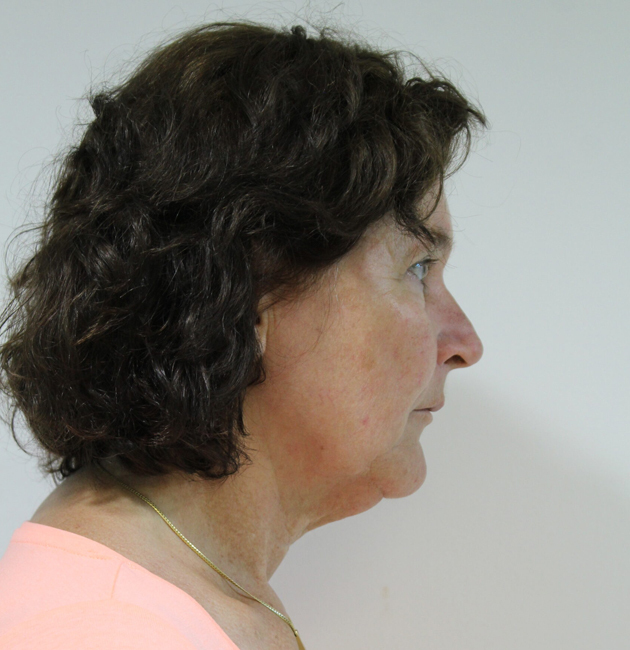
In June 2026, Abby Lee Miller from Dance Moms shared a small beauty problem that many people understand right away. Her earrings no longer sat properly. Years of wearing heavy earrings had stretched her earlobes. The holes had become wider, and the earrings could slip or tilt in a way that made the ears look older.
She did not choose surgery. Instead, she had hyaluronic acid filler placed in her earlobes. The treatment took under 30 minutes, cost about $1,000, and she rated the pain 2 out of 10. The story was reported by Page Six, and it became popular because it showed something very real: earlobes can age too.
Most people in the Netherlands notice aging around the eyes, cheeks, lips, or jawline first. The earlobes are rarely part of the conversation. Yet they sit right beside the face. They show when the hair is short, tied back, or tucked behind the ear. They also become more visible when someone wears earrings.
This is why oorlel correctie is becoming part of modern facial rejuvenation. It is not about changing the face. It is about restoring a small detail that can affect how fresh, balanced, and natural the face looks.
Why Earlobes Can Make the Face Look Older
The earlobe may seem like a tiny detail, but it changes with age just like the rest of the face. It is made of soft skin, fat, and connective tissue. Unlike the upper ear, it does not have firm cartilage inside. That makes it more likely to stretch, wrinkle, and lose volume over time.
As we age, the skin slowly loses collagen and elastin. Collagen gives skin its strength. Elastin helps skin return to its normal shape after being stretched. When these support fibers weaken, the earlobe can become softer, thinner, and less firm.
This usually happens slowly. A person may not notice it in the mirror at first. Then one day, a stud earring starts pointing downward. A hoop turns forward. A favourite pair of earrings suddenly looks too heavy. The earrings are the same, but the earlobe has lost support.
That is why earlobe aging is easy to miss. It does not always look dramatic. It simply makes the lower face and ear area look less neat.
Heavy Earrings Are a Big Part of the Problem
Heavy earrings can stretch the earlobe over time. The reason is simple. The weight pulls on the same small hole again and again. Over months and years, the tissue weakens.
The piercing hole may become longer. The lobe may look flat or thin. In more serious cases, the earlobe can split. Cleveland Clinic explains that earlobe repair is used for earlobes that are torn, split, or stretched by heavy earrings, gauges, or injury. It describes the procedure as low risk, but also notes possible risks such as infection, bleeding, scars, numbness, and uneven results.
This is not only a celebrity issue. Many people wear earrings for work, weddings, dinners, parties, and daily style. The problem may appear after years of normal use. It often becomes clear when earrings no longer sit well.
For many people, this is not just about looking younger. It is about wearing earrings comfortably again.
What Oorlel Correctie Actually Means
Oorlel correctie means earlobe correction. The right method depends on the condition of the earlobe.
If the earlobe is torn, fully split, or severely stretched, surgery may be needed. This usually means the damaged tissue is repaired with small stitches. It is often used when the piercing hole has become a long slit or when old gauges have stretched the lobe too far.
If the problem is mild volume loss, wrinkles, or soft sagging, a non-surgical filler treatment may be enough. In this case, hyaluronic acid filler is placed into the earlobe to restore volume and support.
Hyaluronic acid is a substance found naturally in the body. It holds water and helps tissue stay plump. In aesthetic medicine, it is often used because the result can be subtle and controlled.
For people with thin, wrinkled, or mildly stretched earlobes, oorlel correctie may help the earlobes look smoother, firmer, and better supported without surgery.
Why Earlobe Correction Is Now Part of Facial Rejuvenation
Modern facial rejuvenation has changed. Years ago, many treatments focused only on lines and wrinkles. Today, the goal is often facial balance.
A good result should not make someone look different. It should make them look rested and natural.
This is where the earlobes matter. They sit close to the jawline, neck, and lower face. If the cheeks, lips, or skin look refreshed but the earlobes are thin and stretched, the result can feel incomplete. The eye may not know exactly what is wrong, but it can sense that something looks aged.
Earlobes also affect how earrings sit. Jewellery can frame the face. When earrings hang badly, they can pull attention to the lower face and make the area look older.
This is why aesthetic doctors are paying more attention to small areas like the temples, hands, neck, and earlobes. Aging is not one single line on the face. It is a mix of small changes.
What Global Data Says About Fillers
The growth of earlobe correction fits a larger trend. People are choosing smaller, non-surgical treatments with less downtime.
The International Society of Aesthetic Plastic Surgery reported that hyaluronic acid filler procedures reached 6,338,184 worldwide in 2024. That was a 5.2% increase compared with the previous year. The same report found that botulinum toxin remained the most common non-surgical treatment worldwide, with 7,887,955 procedures in 2024.
These numbers show that non-surgical treatments are now a major part of modern aesthetics. People are not only asking for big changes. Many want small, careful improvements that still look like them.
Earlobe correction fits this trend well. It is focused. It is subtle. It solves a real issue caused by aging, heavy earrings, or volume loss.
What Dutch Research Shows About Injectable Treatments
The Dutch market has also seen strong growth in injectable treatments.
A study by Tom S. Decates and colleagues, published in 2023, looked at injectable treatments in the Netherlands between 2016 and 2022. It reported that filler treatments increased by 81% from 2019 to 2022. The study also noted that injectables had become part of the cosmetic routine for many Dutch women.
Dutch public reporting has shown the same direction. NOS reported that filler and botox treatments became more popular in the Netherlands, while also raising concerns about poor practice and complications in some cases.
This is important for readers in the Netherlands. The interest is real, but so is the need for safe, skilled treatment. Earlobe correction may seem small, but it is still an injectable procedure. It should be treated with the same care as any other filler treatment.
What Medical Research Says About Earlobe Aging
Earlobe rejuvenation is not just a social media trend. It is also discussed in medical literature.
A 2025 paper on earlobe rejuvenation explained that age-related earlobe changes can include volume loss, wrinkling, and reduced projection. The paper noted that hyaluronic acid fillers can restore volume, while low-viscosity hyaluronic acid skin boosters may improve hydration and texture.
A 2025 review in the Journal of Cutaneous and Aesthetic Surgery also discussed treatment options for earlobe deformities. It stated that dermal fillers are often used to restore volume and rejuvenate deflated earlobes. The review named hyaluronic acid, calcium hydroxylapatite, and poly-L-lactic acid as filler options, while noting that hyaluronic acid fillers are preferred for certain mild earlobe aging cases.
After hours of research, the main point is clear. Oorlel correctie is not a random beauty idea. It is linked to real aging changes, real anatomy, and a wider move toward balanced facial rejuvenation.
Why This Matters for the Netherlands Audience
People in the Netherlands often prefer natural-looking results. Many do not want cosmetic work to look obvious. They want small changes that help them look fresher without changing their identity.
Oorlel correctie fits that approach because it does not reshape the whole face. It focuses on one small area that can affect the final look. When done well, the result should be quiet. The earlobe may look smoother and fuller, but it should not draw attention.
There is also a safety reason to discuss this topic clearly. The Netherlands has made cosmetic medicine more structured in recent years. The Nederlandse Vereniging Cosmetische Geneeskunde states that doctors who meet its visit requirements have been included in the KNMG profile register as cosmetisch arts KNMG since 1 July 2019.
That matters because patients need to know who is treating them. A small area still needs medical knowledge, clean technique, and the right product choice.
What Happens During a Non-Surgical Earlobe Correction
A non-surgical earlobe correction usually begins with a consultation. The practitioner checks the earlobe shape, skin quality, piercing hole, and level of volume loss. They also ask what the person wants to improve.
The area is cleaned. A small amount of hyaluronic acid filler is placed into the earlobe. The goal is not to make the earlobe look large. The goal is to restore support in a natural way.
Many people notice the difference soon after treatment. The earlobe may look fuller. Fine lines may look softer. Earrings may sit straighter.
Some swelling, redness, tenderness, or bruising can happen after the treatment. This is normal with injections. Heavy earrings are usually avoided for a short time so the filler can settle and the tissue is not pulled too soon.
Who May Benefit From Oorlel Correctie
This treatment may be useful for people with thin earlobes, wrinkled earlobes, mild sagging, or earrings that no longer sit neatly. It may also help people who have lost facial volume with age or weight changes and now notice that the earlobes look flat.
It is not right for every case. If the earlobe is fully torn or badly split, filler is usually not the answer. Surgical repair may be needed instead.
A good practitioner should explain the difference. Filler can restore volume. It cannot repair every type of tissue damage. The best result comes from choosing the right treatment for the real problem.
Safety Should Always Come First
Even though earlobe correction is a small treatment, it is still a medical aesthetic procedure.
The FDA warns that the most serious risk of dermal fillers is accidental injection into a blood vessel. This is uncommon, but it can cause skin necrosis, stroke, or blindness. The chance is low, but the outcome can be serious and may be permanent.
The American Society for Dermatologic Surgery task force also states that accidental injection into facial arteries can cause vascular occlusion, tissue ischemia, necrosis, visual problems, blindness, or stroke. It stresses that knowledge of vascular anatomy is essential for all filler injectors.
This does not mean people should fear fillers. It means they should choose carefully. Safe treatment depends on proper training, correct technique, medical-grade products, and clear aftercare.
FAQs About Oorlel Correctie
1- Is oorlel correctie painful?
Most people describe the treatment as mild. Some tenderness or swelling can happen after the injections, but this usually settles quickly.
2- How long does earlobe filler last?
Results vary by person and product. In many cases, results last several months to around a year before maintenance may be needed.
3- Can filler fix a torn earlobe?
No, not usually. A torn or fully split earlobe often needs surgical repair rather than filler.
4- Can I wear earrings after treatment?
Light earrings may be possible once the area settles. Heavy earrings are usually avoided for a short time to protect the result.
5- Is oorlel correctie only for older people?
No. Younger people may also consider it if heavy earrings, stretched piercings, or weight changes have affected the earlobe shape.
The Small Detail That Completes a Natural Look
Earlobes are easy to ignore because they are small. But they still influence how the face looks, especially when earrings are part of someone’s daily style.
When earlobes lose volume, wrinkle, or stretch, they can make earrings sit badly and make the lower face look older. This is why oorlel correctie is becoming part of modern facial rejuvenation. It reflects a bigger shift toward subtle, balanced, and natural-looking treatments.
The best results do not shout for attention. They simply make the face look more complete. For the right person, correcting the earlobes can be the quiet detail that brings everything together.