Slow Pitch Jigging: Fishing a Jig
Posted by Johnny Jigs
Filed in Business 264 views
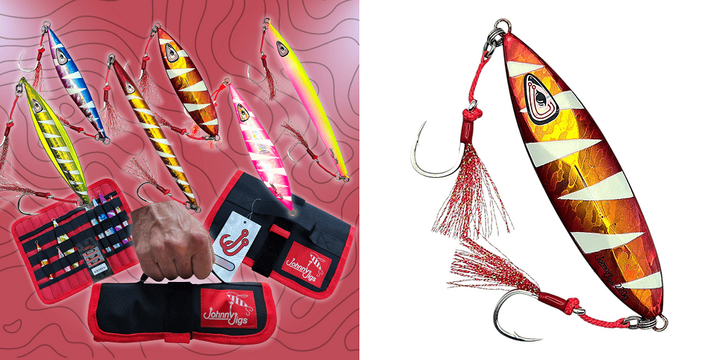
Slow pitch jigging is an impressively effective technique that anglers all over the country are adopting in droves, not just because it is something new, but because it is effective, and more importantly, because it can be used to target an impressively wide range of target species.
With that being said, let’s take a closer look at some high level notes for fishing a jig, specifically a slow pitch jig.
Selecting Jig Weight and Profile
When you’re slow pitch jigging, regardless of your target species, it’s very important that you maintain a proper, vertical presentation. The best way to ensure this is to select a jig of appropriate weight.
The general rule of thumb is that you need 1 gram of jig weight per 1 foot of water, which translates to 100 grams at 100 feet of depth, and so on and so forth.
By the way, it’s also critical that your line weight is properly matched to the jig, as very heavy braid will create a lot of drag with currents and may mess with the action of the jig. Typically anything from 15 lb to 40 lb braid will work well, depending on target species and conditions.
You also need to select the jig based on the intended presentation. Leaving color aside for a moment, wider, flatter jigs will produce a slower cadence and a wider wobble as they drop, whereas narrow jigs, while they will still flutter on the drop, will fall more abruptly.
Fishing a Jig
Once you’ve selected the area you want to jig, whether you will be dropping down to structure or over a school of baitfish that have predators under them, drop the jig to the desired depth.
To do so, freespool your reel and let the jig drop. You want to let it drop quickly, but not so quickly that it flutters. Keeping a little pressure on the spool as it drops will help it drop vertically and therefore more quickly.
Once you reach the desired depth (or hit the bottom), engage the reel and let the jig sit for a second. Sometimes you’ll get smashed right on this pause after the drop.
After that first pause, give the reel handle one crank to raise the jig slightly, then raise the rod tip smoothly. Then let the jig freefall, which will cause it to flutter, spin, dart, and execute other cadences that most predators find completely irresistible.
You can also lift the rod tip quickly, then drop it down to give the jig a series of up and down darting actions.
As you work the jig, give the reel handle a quarter crank to a full crank, to work the jig slowly up through the water column. Once you’ve brought it up out of the area that you consider the strike zone, drop it down and repeat the process.
Our only other high level note here is that you should pay very close attention when you’re letting the jig fall, as the vast majority of your strikes will be when the fishing jig is darting or fluttering on the drop, so be ready to react.
Where to Get Fishing Jigs and Other Slow Pitch Jigging Accessories
Whether you’re here to stock up on slow pitch jigs before a trip on the water or you need more tips, visit Johnny Jigs. They carry a wide range of fishing tools, tackle and jigs and their blog and YouTube channel are full of helpful tips and other expert insight. Visit their website for more information or contact them directly for help.
For More Information About Electric Fishing Reels Please Visit: Johnny Jigs.