Key Differences Between Lithium-Ion and LFP Batteries
Posted by Big Battery
Filed in Business 340 views
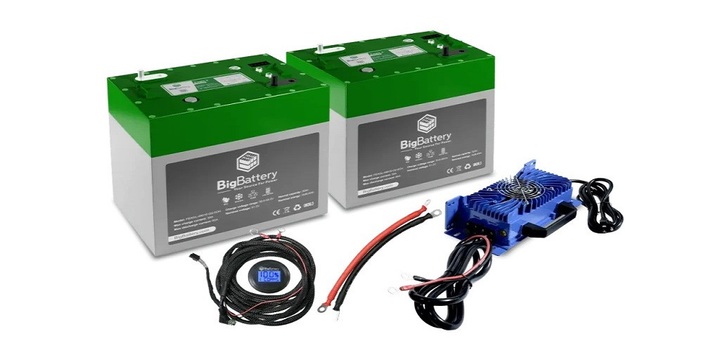
Since lithium is in the name of both lithium-ion and lithium-iron-phosphate (also known as LFP) batteries, you might think they’re effectively the same.
There are many similarities, that is true, but the battery chemistry between the two is different enough that they offer slightly different performance attributes. Here’s what you should know from a high level.
How Are Lithium-Ion and LFP Batteries Different?
Obviously the main difference between lithium-ion and LFP batteries is in the battery chemistry. The former uses lithium-ion chemistry as a cathode material and the latter uses lithium-iron-phosphate as a cathode material.
The nominal voltage per cell of most LiFePO4 batteries is slightly lower than li-ion cells at 3.2 volts compared to somewhere between 3.6 to 3.7 volts per cell for the latter. This means that li-ion batteries have slightly higher energy density.
This, in turn, means that li-ion batteries of a certain size and weight can hold more energy and thereby power than LFP batteries. It also means that li-ion batteries are more prone to overheating and thermal runaway during charge cycles.
This difference in chemistry is perhaps the most important of the differences between LFP and li-ion batteries, as the chemical bonds in the cathodes of LFP batteries are stronger and more stable. This makes them longer lasting and, since they exhibit a lower risk of thermal runaway, it makes them safer as well.
Another material difference is that li-ion batteries deliver more peak power, but it is also the case that LFP batteries produce a flatter discharge curve, which means that voltage stays steadier during discharge.
As a result, there is little drop in voltage and thereby power as the battery discharges, which results in a steadier, more consistent power supply during discharge. This makes LFP batteries preferable for use cases such as to power trolling motors, or even for solar systems or for whole home battery backup systems.
While most types of lithium batteries are long-lasting, LFP batteries are renowned for their long life cycles, and when properly maintained, many lithium iron phosphate batteries will last several thousand cycles, some as many as 6000 or more. Li-ion batteries typically last 1000 or more, some as high as 1500.
Due to their slightly lower voltage, LiFePO4 batteries take a little bit longer to charge than most li-ion batteries, which is a slight inconvenience for some. That said, LiFePO4 batteries still charge relatively quickly.
While it is true (as stated) that li-ion batteries offer higher peak power, this is only the case under normal operating temperatures. Due to their higher stability, LiFePO4 batteries are more reliable and offer more consistent output when subjected to higher temperatures.
LiFePO4 batteries also contain no nickel or cobalt, which li-ion batteries often do. These heavy metals are mined under challenging conditions and the mining processes used to secure them often produce negative externalities to the surrounding environment. For this reason many consider LiFePO4 batteries to be more sustainable, and to have less of an environmental impact, than li-ion batteries.
Lastly, LiFePO4 batteries tend to have a higher upfront cost than li-ion batteries, but since they last longer on average, this is something that has to be considered in the decision making process. Despite the shorter lifespan they can be in other ways more economical.
Where to Learn More About LFP Batteries
If you’re interested in learning more about LFP batteries and what they offer, visit BigBattery. They carry a wide range of LiFePO4 batteries for marine and recreational use cases, as well as for solar energy and whole home battery backup applications. You can learn more on their website or get in touch with them directly for more information.
For more information about Eg4 Chargeverter and Solar Battery Storage Please visit: BigBattery.