Do You Need a UV Pool Sanitizer?
Posted by Nature's Air and and Water
Filed in Business 334 views
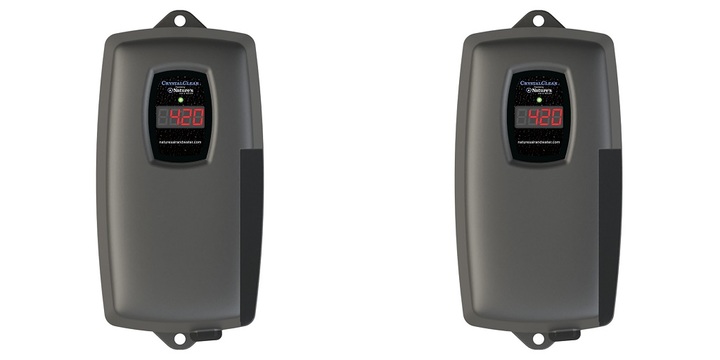
If you've ever asked yourself why you need a UV pool sanitizer, this will explain why the answer is most likely "Yes!" UV gives your swimming pool another layer of protection against bacteria, germs, algae, and viruses. Of course, chlorine still plays a major role in pool care, but UV systems reduce how hard your chlorine needs to work. Your water stays cleaner, and your skin and eyes face less chemical irritation and without that strong chlorine smell.
But How Does a UV Pool Sanitizer Work?
UV sanitation works through ultraviolet light. Pool water passes through a sealed chamber inside your filtration system. Inside the chamber, a UV lamp attacks microorganisms at the cellular level. The light damages bacteria, viruses, and other contaminants so they cannot reproduce or spread through the water.
This process also helps destroy chloramines. Chloramines form when chlorine mixes with sweat, oils, and organic waste in the water. They create the strong chlorine smell many swimmers dislike. They also irritate eyes and skin. A UV system breaks those contaminants apart before they build up. Most pool owners install UV systems for three main reasons:
- Cleaner water
- Lower chlorine demand
- Less maintenance over time
Pools with UV systems often use less chlorine during the season. Two identical pools side by side will not consume the same amount of sanitizer if one uses UV treatment. The pool with UV support typically needs fewer chemical additions throughout the year. That saves money and cuts down the time spent testing and adjusting water chemistry.
A UV system also supports pool equipment. Chloramines slowly wear down pool heaters and internal components. A UV lamp reduces those compounds before they reach sensitive equipment. That helps extend the life of expensive pool hardware.
What To Know Before Installing One in Your Pool
Before installing a UV unit, inspect your current pool system first. Check the condition of your pump, filter, plumbing, and heater. A UV unit depends on proper water flow. Weak circulation reduces performance.
You also need accurate pool sizing. UV systems come rated for different gallon capacities. An undersized unit struggles to treat the water properly. Choose a system designed for your pool volume and swimmer load.
You should also check your water balance. Test your pH, chlorine level, alkalinity, and calcium hardness before installation. UV treatment supports sanitation, though poor water chemistry still creates problems. Balanced water protects the UV chamber and keeps the system working efficiently.
Installation usually happens near the filtration equipment. Most UV lamps sit inline with the return plumbing. The best placement often comes before the pool heater. This setup helps reduce chloramine exposure before water reaches the heater components. A standard installation process often goes like this:
- Turn off pool power.
- Shut down the water flow.
- Cut into the return plumbing line.
- Mount the UV chamber securely.
- Connect the chamber to the plumbing.
- Wire the power supply according to local code.
- Test the water flow through the unit.
Many homeowners hire a pool professional for installation. A poor installation leads to leaks, low flow, or equipment damage, so hiring professionals for electrical work and plumbing adjustments is often the best choice.
And if you want your UV pool sanitizer to last a long time, you need proper maintenance. It's simple, as most UV lamps need replacement every 9,000 to 12,000 operating hours. Quartz sleeves inside the chamber should stay clean for proper light penetration, and regular inspections keep its performance strong and reliable.
Adding a UV Pool Sanitizer is Another Layer of Safety
Remember, UV systems do not replace chlorine completely. Your pool still needs a residual sanitizer level in the water. UV treatment works as a support system, and reduces contamination before chlorine needs to react. That lowers chemical demand and improves overall water quality. If you want cleaner water, lower chemical use, and better protection against bacteria and viruses, a UV pool sanitizer makes strong sense for your swimming pool.
For more information about Hvac Air Purifier and Carbon Filter System For Well Water Please visit: Nature's Air and Water, LLC.