The Real Cost of Skipping a Compressed Air Dryer in High-Cycle Systems
Posted by Air & Vacuum Process Inc
273 views
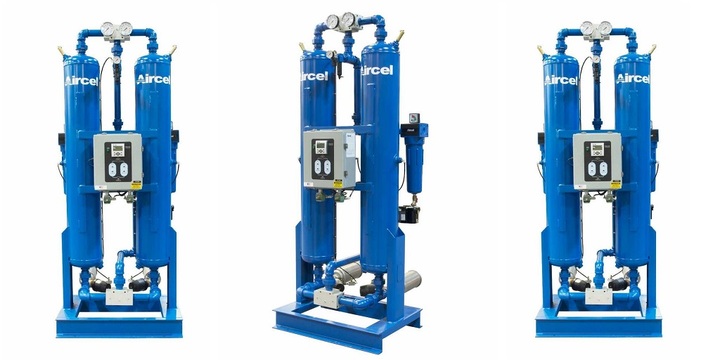
Most teams don’t notice the problem right away. Everything runs. Valves cycle. Production moves. Then one day, a line slows down, a valve sticks, or an actuator hesitates. That’s when the conversation starts, and more often than not, it leads back to one missing piece: a compressed air dryer.
High-cycle systems don’t forgive moisture. They amplify it. And once moisture in compressed air spreads through the system, the cost shows up in places most teams didn’t plan for.
Why a Compressed Air Dryer Becomes Critical in High-Cycle Systems
Air always carries humidity. That part doesn’t change. What changes is what happens after compression. A compressed air dryer exists because compression concentrates water vapor, turning normal ambient humidity into a system-level issue.
Organizations like Compressed Air and Gas Institute and U.S. Department of Energy both point to the same reality. Compressed air systems naturally generate water, and in many industrial setups, that adds up to gallons per day.
In high-duty environments, that buildup never slows down. The system runs continuously. Heat fluctuates. Air cools inside piping. Condensation forms. Without a properly selected compressed air dryer, that moisture travels straight into valves, regulators, and downstream equipment.
Midway through operation, the impact of skipping a compressed air dryer becomes visible. Cycle times drift. Response becomes inconsistent. Maintenance teams start chasing issues that don’t seem connected, even though they all trace back to air quality.
What Moisture in Compressed Air Really Does to Equipment
Moisture doesn’t sit still. It reacts. Inside a system without proper compressed air treatment, water mixes with contaminants, breaks down lubrication, and creates corrosion inside tight tolerances.
That’s where problems begin:
- Valve components start to stick
- Seals degrade faster than expected
- Internal surfaces develop corrosion
Standards from ISO highlight how air quality directly affects equipment reliability. Moisture plays a major role in that equation.
A well-sized air compressor dryer removes water vapor before it reaches sensitive components. Without it, the system operates under constant internal stress. Over time, that stress shows up as failure that teams often label as normal wear.
The Real Downtime Cost Behind Skipping a Compressed Air Dryer
The cost of a compressed air dryer looks straightforward on paper. The cost of downtime doesn’t.
Facilities lose thousands per hour when production stops. That includes lost output, labor disruption, and recovery time. Research from the U.S. Department of Energy shows how compressed air inefficiencies already account for a significant portion of operating cost. Add downtime to that, and the impact multiplies.
When moisture moves through a system without proper air drying equipment, failures don’t happen all at once. They show up in patterns:
- Intermittent valve sticking
- Slower actuation cycles
- Unpredictable system behavior
In the middle of these issues, teams often circle back to the same root cause. A missing or undersized compressed air dryer.
Replacement Cycles Get Shorter Without a Compressed Air Dryer
Parts don’t last as long in wet systems. That’s the reality many maintenance teams deal with, even if they don’t always connect it to air quality.
Industry guidance from Compressed Air Challenge reinforces this pattern. Poor air quality leads to higher lifecycle costs.
Here’s what that looks like in practice:
- More frequent valve rebuilds
- Increased seal replacements
- Higher spare parts usage
A properly installed compressed air dryer stabilizes those cycles. Components operate under cleaner conditions, which extends service intervals and reduces unplanned replacements.
Teams often budget for parts. They rarely budget for accelerated failure caused by moisture in compressed air.
Refrigerated vs Desiccant Compressed Air Dryer Decisions That Matter
Not every system needs the same level of dryness. That decision comes down to dew point requirements and how sensitive the process is to moisture.
A refrigerated air dryer handles standard applications. It cools air, condenses moisture, and removes it before distribution. Many facilities rely on this setup for general pneumatic systems.
A desiccant air dryer takes it further. It removes moisture at a molecular level, achieving lower dew points required for high-precision or high-risk environments.
In high-cycle systems, the choice of compressed air dryer directly affects performance. Underspecifying dew point leads to residual moisture. Overspecifying can increase costs without added benefit. The right balance comes from understanding actual operating conditions.
Procurement Mistakes That Lead to Compressed Air Dryer Failure
Many systems fail long before the equipment does. The issue starts during selection.
Common mistakes include:
- Sizing based on average load instead of peak demand
- Ignoring ambient humidity conditions
- Choosing dryer type without considering dew point requirements
A reliable industrial air dryer setup aligns with real system demand. It accounts for airflow, temperature, and operating cycles. When those factors match, the system performs consistently.
Midway through procurement discussions, the compressed air dryer often looks like a secondary component. In reality, it controls the quality of everything moving through the system.
Why Air Drying Equipment Defines Long-Term System Stability
Every component downstream depends on air quality. That includes valves, actuators, regulators, and control systems.
A dependable compressed air dryer protects all of them. It keeps moisture out, stabilizes performance, and supports consistent operation across production lines.
Dry air moves cleanly. It doesn’t carry water droplets or contaminants that disrupt performance. Over time, that consistency leads to:
- Fewer system interruptions
- Lower maintenance workload
- More predictable production output
Across industries, teams that prioritize proper compressed air treatment see the difference in uptime and cost control. And in high-cycle environments, that decision always points back to the same conclusioon: invest in the right compressed air dryer at Air & Vacuum Process INC.
For more information about Automatic Drain Valve and Natural Gas Dehydrator Please visit: Air & Vacuum Process Incs.