Caring for Great Eastern Cutlery Knives
Posted by The Knife Connection
271 views
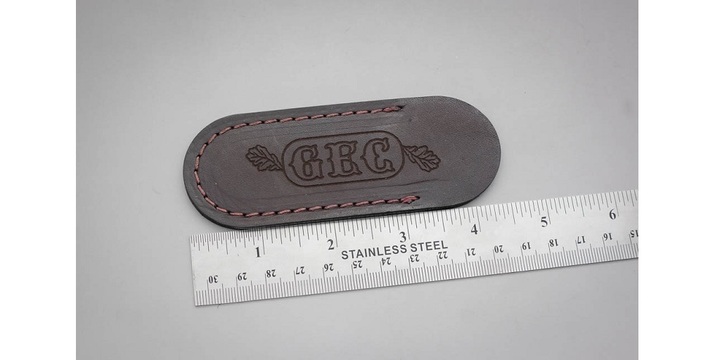
Like the traditional pocket knives of yore, Great Eastern Cutlery knives, also known as GEC, are made with a high-carbon steel alloy, 1095. This is the same steel that is commonly used in ESEE Knives, for those of you familiar.
It is also similar to the high-carbon alloys that have been used to make traditional pocket knives in the past, which is fitting, because many Great Eastern Cutlery knives follow traditional patterns, delivering the entire package.
It is also a reasonably good steel. While it’s no super steel, it is very tough and offers pretty solid corrosion resistance. It’s also a fairly affordable tool steel. The one big thing about 1095 is that it offers basically nothing in the way of corrosion resistance.
This is why it is so important to know how to properly care for knives made with this alloy. So, with no further ado, here are some high level notes on care for your GEC knives.
Cleaning and Oiling
Keeping your Great Eastern Cutlery knives clean is the first step to protecting your investment in them.
These are the sorts of knives that you’re likely to use for light food prep, or even for slicing up a piece of fruit prior to eating. While the application is fitting, putting away one of these knives wet or sticky is a sure-fire ticket to a rusted blade, and perhaps to a seized slipjoint mechanism.
Therefore, after every single use, make sure to wipe down the blade with a damp rag and dry it thoroughly before storing. The steel should be kept clean and dry at all times.
Also, there’s no need to rinse these knives, as letting water get inside the knife, and into the joints, will likely accelerate corrosion and rust, since it’s very hard to dry out the interior of a folding knife once it gets wet.
All you should really need is a damp rag; wipe down the blade and dry it and you’ll be good to go.
Periodically, you should also apply a drop or two of a food-safe oil, like tsubaki oil, to each side of the blade. A little bit does the trick; you are not trying to lubricate the knife here, only to insulate the exposed steel against moisture in the air that would cause corrosion.
Also, and not that this is related to cleaning, but avoid using your GEC knife in marine environments or around saltwater. Even if you keep the blade clean you can experience a condition known as stress corrosion cracking, which can damage the blade if it is ever exposed to saltwater or marine conditions.
Storing Properly
While cleaning and oiling constitute the majority of basic care and maintenance for Great Eastern Cutlery knives, how and where you store the knives will also have an impact.
The high level notes here are that you should store your knives somewhere cool and dry. As long as the conditions are dry, you should be good. Anywhere there’s a lot of humidity, you run a higher risk of rusting the blade.
For More Information on Great Eastern Cutlery Knives
Want to learn more about how to care for your Great Eastern Cutlery knives, or are you interested in adding to your collection? Regardless, you can find what you’re looking for online at The Knife Connection.
Visit their website and take a closer look through their online catalog, which represents some of the best brands and manufacturers in the knife industry, including GEC and many others.
For more information about Lionsteel and Remette Knives Please visit: The Knife Connection.