How do Under Eye Fillers interact with skin structure
Posted by Bisma dynamic
Filed in Health 233 views
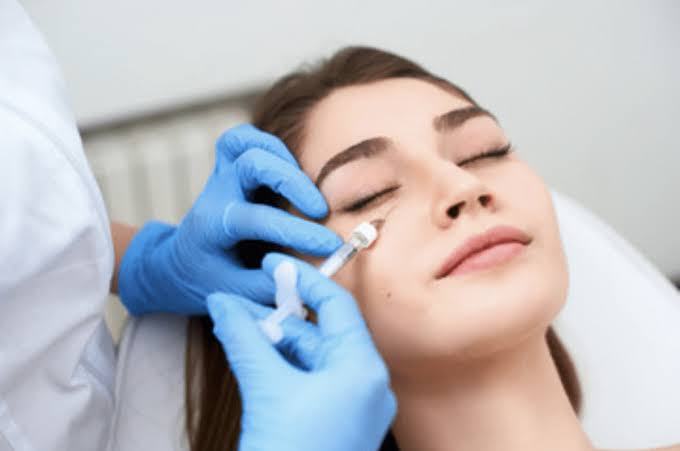
How do Under Eye Fillers interact with skin structure is a key question for people exploring modern aesthetic treatments aimed at reducing hollowness and fatigue around the eyes. These fillers work within the delicate layers beneath the lower eyelid to restore volume and improve skin smoothness without altering natural facial expressions. Under Eye Fillers in Dubai are commonly chosen by individuals seeking subtle rejuvenation in a climate that often accelerates skin dehydration, and Dynamic Clinic in Dubai is frequently associated with providing general aesthetic consultations for this concern.
Understanding the delicate under-eye anatomy
The under-eye area, medically known as the tear trough, is structurally different from other facial regions. The skin here is thinner, contains fewer oil glands, and sits directly above a complex network of blood vessels and fat pads. These characteristics make it more prone to visible shadows, puffiness, and early volume loss.
Key structural elements include:
- Thin epidermis with minimal protective cushioning
- Superficial fat compartments that can shrink with age
- Orbicularis oculi muscle influencing movement and expression
- Lymphatic pathways responsible for fluid balance
Because of this layered sensitivity, even small changes in volume can significantly affect overall appearance.
How fillers integrate within skin layers
Most modern under-eye fillers are based on hyaluronic acid, a naturally occurring substance in the skin that binds water and supports hydration. When introduced into the tear trough region, the filler does not simply “fill space” but integrates within the tissue matrix.
Once placed correctly, it:
- Binds with water molecules to restore hydration in the dermis
- Supports weakened fat compartments by acting as a structural scaffold
- Softens transitions between the lower eyelid and upper cheek
- Reduces the appearance of shadowing caused by volume depletion
This interaction happens gradually, allowing the filler to settle in a way that mimics natural tissue support.
Interaction with collagen and tissue response
Beyond immediate volume restoration, under-eye fillers also influence the skin’s biological response. The presence of hyaluronic acid can stimulate a mild increase in collagen activity over time, helping improve skin firmness and elasticity.
This interaction supports:
- Improved skin density in treated areas
- Better resilience of the dermal structure
- Long-term refinement of texture and tone
While fillers are not permanent, this subtle stimulation contributes to longer-lasting aesthetic improvement in many individuals.
Placement depth and structural precision
The effectiveness of under-eye fillers depends heavily on where they are placed within the skin structure. Practitioners typically target deeper fat layers rather than superficial skin to avoid irregularities or puffiness.
Proper placement involves:
- Deep supraperiosteal injection (close to bone for support)
- Avoiding superficial dermal placement to prevent visibility
- Controlled distribution to maintain smooth contour transitions
This layered approach ensures that the filler works with the natural anatomy rather than against it, reducing the risk of uneven texture or swelling.
How skin thickness affects filler behavior
Not all under-eye areas respond the same way to fillers due to natural variation in skin thickness and fat distribution. In individuals with very thin skin, filler integration requires extra precision, as underlying structures may be more visible.
Factors influencing interaction include:
- Genetic skin thickness and elasticity
- Degree of volume loss in tear trough fat pads
- Presence of pigmentation or vascular visibility
- Hydration levels of the surrounding tissue
These variations explain why customized treatment planning is essential for natural-looking results.
Fluid balance and lymphatic interaction
The under-eye region is closely linked to lymphatic drainage, which controls fluid retention and puffiness. When fillers are introduced in balanced amounts and placed correctly, they can indirectly support smoother lymphatic flow by improving structural support in the area.
This can contribute to:
- Reduced appearance of hollowness-related shadows
- More even distribution of interstitial fluid
- Improved contour stability under the eyes
However, overcorrection or improper placement can disrupt this balance, which is why anatomical precision is critical.
Conclusion
The interaction between under-eye fillers and skin structure is a combination of anatomical support, hydration enhancement, and subtle biological response. By working within the natural layers of the tear trough, fillers restore lost volume while maintaining facial harmony and expression. Their effectiveness relies on precise placement, understanding of skin thickness, and respect for the delicate vascular and lymphatic systems that define the under-eye region.