Extra Support Sports Bra for Fuller Busts
Posted by Anita International Corp
344 views
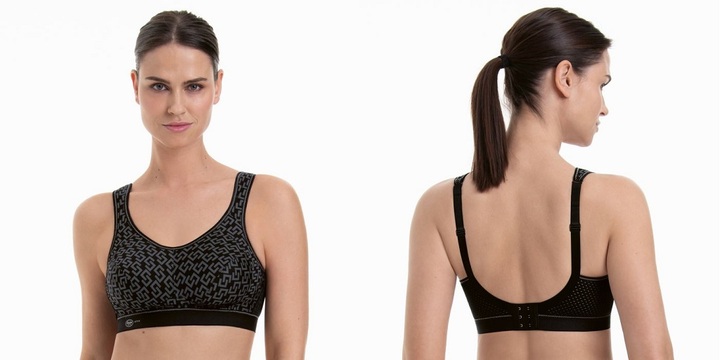
For women with fuller chests, wearing extra support sports bras are essential for staying comfortable and protected during high-impact movement. Activities like running and lifting weights put repeated stress on the chest, and without proper support, that can lead to pain, distraction, and even long-term strain. Many women in the D to E range or beyond find that not all “high support” claims hold up in real workouts, which makes choosing the right bra a process of trial, testing, and fine-tuning.
The core purpose of a high-support bra is to control movement in all directions. Breasts do not just bounce up and down, they shift side to side and forward as well. A good bra minimizes that motion without feeling stiff or restrictive. A strong under band provides control and support, anchoring the bra against your ribcage and carrying the weight of the chest. It should feel snug and secure without digging in.
The answer is to find the right fit and design for your body. Of course, straps and coverage are important. Wider, adjustable straps help spread weight across the shoulders and back, reducing strain in one area. As for coverage, higher necklines and structured cups help prevent spillage and keep everything contained during movement. Many women know this, but where do they start?
Get the Perfect Extra Support Sports Bra Fit
Getting the right size is as important as choosing the right design. Start by measuring your band size around your rib cage, just under the bust. The tape should be snug but not tight. Then measure around the fullest part of your chest to determine your cup size. Using both numbers together gives you a more accurate starting point.
When trying on a bra, focus on how it feels in motion, not just standing still. The band should stay level and not ride up in the back. You should be able to fit two fingers under it comfortably, but no more than that. The cups should fully contain your chest without gaps or overflow. Straps should feel supportive but not carry all the weight.
A simple at-home movement test helps. Jump, jog in place, or mimic your workout. If you notice excessive bounce or shifting, the support is not enough. If breathing feels restricted, it may be too tight. The goal is a secure, held-in feeling without discomfort.
Know Different Types of Sports Bras
Not all sports bras work the same way. Compression bras press the chest close to the body to reduce movement. These can work well for smaller busts, but may not provide enough structure for larger sizes on their own. If you want support for each breast with shaped cups, encapsulation bras are the answer. These tend to offer better control and comfort for fuller chests.
Many of the best options combine both methods. They hold the chest close while also providing defined support for each side. This combination is especially effective for running, where movement is more intense. You can also check the back design, as racerback styles pull the straps inward, which can improve support and reduce bounce during high-impact workouts. Cross-back designs offer similar benefits with a slightly different fit and feel. If you are doing strength training and lifting, traditional straight straps may be more comfortable, where shoulder mobility is important.
The right choice comes down to how a bra performs during your specific activity. Taking the time to find the right fit, structure, and style will make a huge difference in how you feel during and after your workout. The best extra support sports bra you can wear are the ones you do not have to think about once you start moving. For this, we recommend Anita Active. They have a wide range of sports bras designed to provide a comfortable fit regardless of how much support you need.
For More Information About Supportive Bras and Plus Size Maternity Bras Please Visit: Anita International Corp.