How Cross-Border Interconnections Improve Business Continuity Across Markets
Posted by Leadvent Group
Filed in Technology 221 views
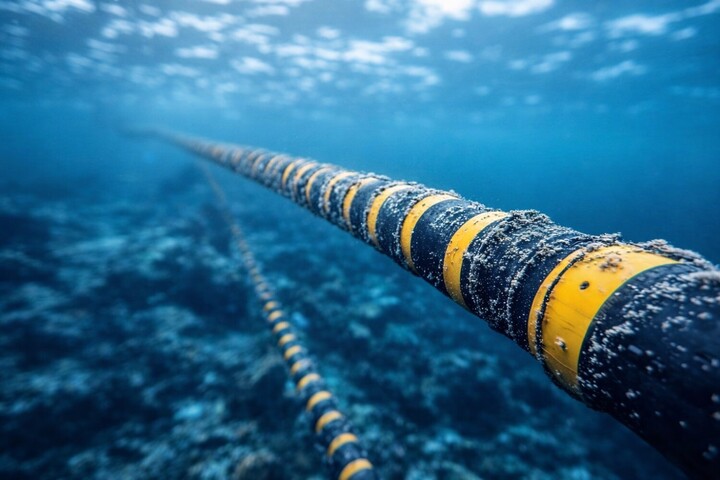
Businesses today do not operate inside one country alone. Supply chains, data flows, and even electricity supplies often depend on links that cross national borders. When one country faces a power cut, a network failure, or a natural disaster, a connected neighbouring system can often step in and keep operations running. This ability to share resources across borders is becoming one of the quiet backbones of modern business continuity.
What Are Cross-Border Interconnections
Cross-border interconnections refer to the physical and digital links that connect infrastructure, such as power grids, telecom networks, and data systems, between two or more countries. These links allow electricity, data, and even financial transactions to move smoothly from one market to another. Instead of each country depending only on its own resources, connected nations can support each other during shortages, outages, or unexpected demand spikes. For businesses, this means fewer disruptions and a more stable operating environment, even when local conditions turn difficult.
Why Business Continuity Depends on Connected Infrastructure
Business continuity is about staying operational during unexpected events. A single point of failure, such as one power plant or one internet cable, can bring an entire operation to a halt. When infrastructure is connected across borders, there is usually an alternative path available. If a domestic power source fails, electricity can be drawn from a neighbouring grid. If one data route goes down, traffic can be rerouted through another country's network. This redundancy is not a luxury anymore. It has become a basic requirement for companies that operate internationally or rely on digital systems around the clock.
The Role of Electricity Interconnection in Keeping Businesses Running
One of the clearest examples of this idea is electricity interconnection between countries. Many nations now share power through high voltage cables that cross land or sea borders. When one country experiences a shortage due to extreme weather, equipment failure, or high demand, it can import electricity from a neighbouring grid instead of facing blackouts. Factories, hospitals, data centres, and offices benefit directly from this arrangement because their power supply becomes less dependent on domestic conditions alone. For industries that cannot afford even a few minutes of downtime, such as manufacturing or financial services, this kind of shared power network offers a practical safety net.
How This Helps Businesses Manage Risk
Companies that operate across multiple countries face different types of risks in each market, including political instability, weather events, or technical failures. Cross-border interconnections reduce the impact of these risks by spreading dependency across more than one source. Instead of relying entirely on one country's infrastructure, a business can benefit from shared systems that absorb shocks more effectively. This lowers the chances of a complete shutdown and gives companies more time to respond before a small problem turns into a major crisis.
Case Study 1
A useful example comes from a growing data centre operator in Europe. One of its facilities in Scandinavia depended entirely on a single internet connection from a local provider, which created a serious risk to daily operations. If that one link failed, the entire site would lose connectivity. Consultants working with the operator recommended building a local fibre network with multiple points of connection to nearby exchange points. This gave the facility the ability to keep running even if the primary link failed, and it also opened the door for stronger regional and cross-border data routes in the future.
Case Study 2
Another example involves the submarine cables running through the Red Sea, which carry a large share of internet traffic between Europe and Asia. In early 2024, several of these cables suffered faults in a narrow shipping corridor. Even though the affected cables were important, researchers tracking the incident noted that eleven other cables in the same region remained active, allowing data to be rerouted through alternative paths, including routes around the Cape of Good Hope. Businesses relying on that traffic experienced some delay, but service did not collapse completely, largely because the network had built-in alternatives rather than depending on a single path.
Building a Stronger Continuity Strategy
Businesses that want to reduce their exposure to disruption should look closely at how their infrastructure is connected, both within their own country and beyond it. This includes checking whether power supply, internet connectivity, and data routing rely on a single provider or a single path. Diversifying these connections, even at a small scale, can make a significant difference during an unexpected failure. Working with providers who understand regional infrastructure and cross-border options is often the first step toward a more resilient setup.
Conclusion
Modern business operations depend on infrastructure that rarely stays within one country's borders. Shared power grids and international data networks give companies a way to keep functioning even when local systems fail. A submarine cable event, such as the Red Sea faults of 2024, shows how a network built with redundancy can absorb serious disruption without a total breakdown. As markets become more interconnected, businesses that understand and plan around these shared systems will be better positioned to handle uncertainty and protect their daily operations.
Frequently Asked Questions
Q1. What is the main benefit of cross-border interconnections for businesses?
They provide backup options during outages or shortages, reducing the risk of complete operational shutdowns.
Q2. How does electricity interconnection help prevent blackouts?
It allows a country facing a power shortage to import electricity from a connected neighbouring grid instead of cutting supply.
Q3. Are submarine cables the only way data travels between countries?
No, but they carry the vast majority of international internet and financial traffic, making them a critical part of global connectivity.
Q4. Can small or mid-sized businesses benefit from cross-border infrastructure planning?
Yes, even smaller companies that depend on cloud services or international suppliers benefit from providers who use diversified, cross-border network paths.
Q5. What happens when a submarine cable is damaged?
Traffic is usually rerouted through other available cables or paths, though this can cause temporary delays until repairs are completed.