How Pacific Galvanizing Ensures Long-Term Corrosion Protection in Northern California Climates
Posted by rockyj rockyj
Filed in Other 175 views
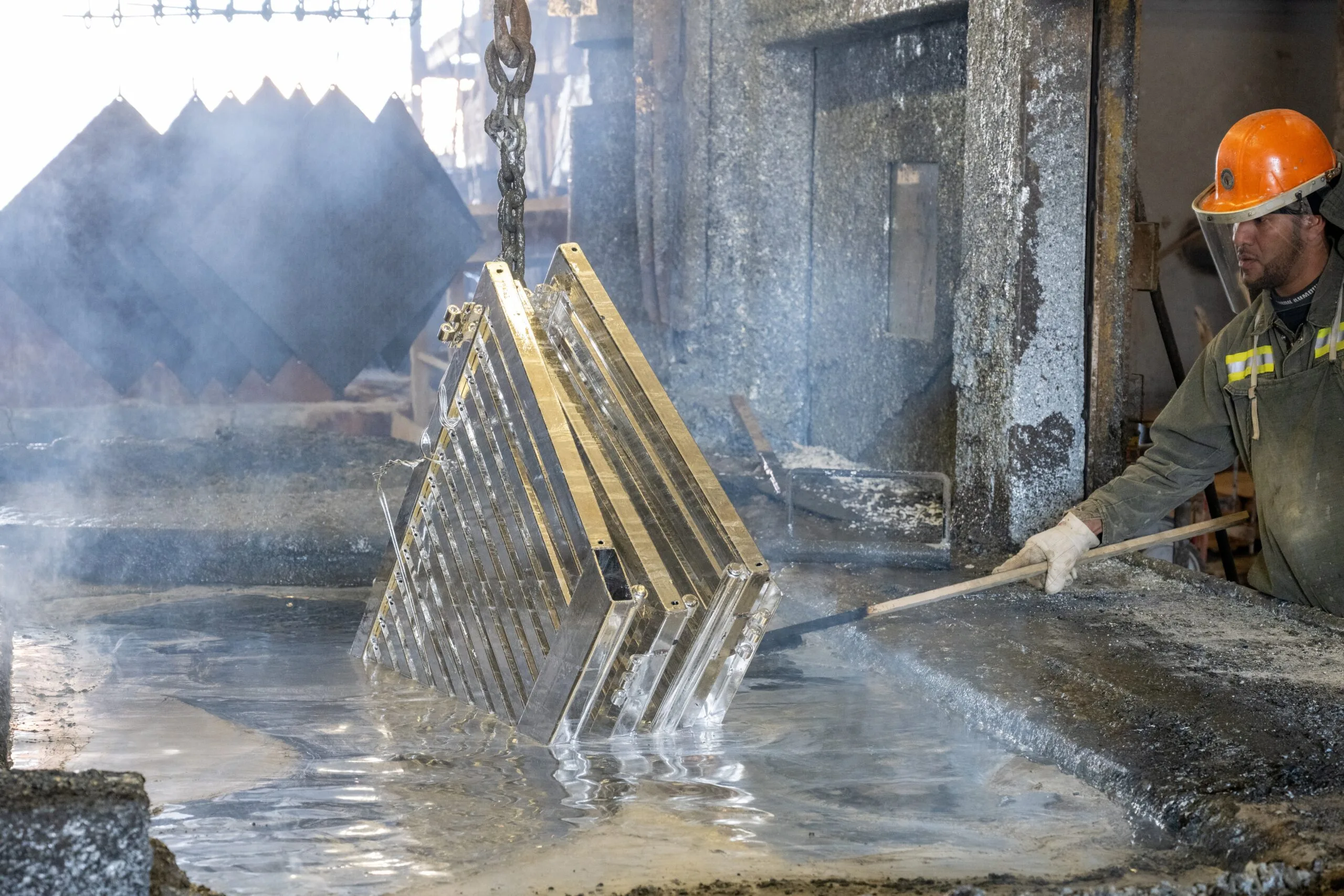
Northern California encompasses a remarkable range of climatic zones, each with distinct implications for corrosion protection of steel structures. From the foggy coast to the hot Central Valley, from the Sierra Nevada foothills to the Sacramento Delta, structures across the region face very different combinations of temperature, humidity, precipitation, and atmospheric chemistry that determine how aggressively the environment attacks steel. Northern California Galvanizing specifications that are appropriate for one region may be under- or over-specified for another, and Pacific Galvanizing's regional expertise helps clients navigate these differences to specify corrosion protection that delivers the right service life at the right cost.
Coastal and Bay Area Zones: The Most Demanding Conditions
The coastal and Bay Area zones of Northern California represent the most challenging corrosion environment in the region. The combination of marine aerosol deposition — salt particles carried by onshore winds — with the frequent fog and condensation that characterizes the Bay Area climate creates conditions that aggressively attack steel. In the most exposed coastal locations, directly exposed structural steel can show visible corrosion within months without protection. Galvanizing performs strongly in these environments because zinc corrodes preferentially to steel, and the rate of zinc consumption, while higher in coastal environments than inland, is still slow enough to deliver decades of no-maintenance service life before the coating is fully consumed.
Inland Valley Zones: Different Challenges, Still Demanding
The Central Valley and inland valleys of Northern California have hot, dry summers and cool, wet winters — a climate profile that is less aggressive to steel than the coast but still demanding enough that unprotected structural steel will show significant corrosion within a few years. Agricultural chemicals — particularly in irrigation and livestock farming areas — can dramatically accelerate corrosion on steel exposed to these environments. Galvanizing in inland valley applications typically achieves longer service lives than in coastal locations because the average corrosivity of the environment is lower, but the combination of periodic wetness, temperature cycling, and agricultural chemical exposure still makes galvanizing a clear value proposition over paint systems on a lifecycle basis.
Mountain and Foothill Zones: Special Considerations
In Northern California's mountain and foothill zones, steel structures face corrosion challenges associated with winter moisture, freeze-thaw cycling, and in some locations road salt application during winter snow events. Road salt — sodium chloride or calcium chloride applied for ice control — creates a highly corrosive environment for steel infrastructure along mountain highways and passes. Galvanizing has a long track record in mountain highway applications because of its resistance to chloride attack, its durability through freeze-thaw cycling without film integrity loss, and its ability to provide cathodic protection at mechanical damage sites without requiring field repair. Pacific Galvanizing's experience with mountain zone applications allows it to advise on appropriate specification for these demanding winter conditions.
Matching Coating Specification to Expected Service Life
One of the most valuable services Pacific Galvanizing provides to Northern California clients is helping them match their galvanizing specification to their required service life in the specific environmental zone where their structure will be located. ISO 9223 provides a framework for classifying atmospheric corrosivity based on environmental parameters, and corrosivity classification can be related to expected zinc consumption rates through established corrosion engineering relationships. Pacific Galvanizing can use these relationships to estimate the coating thickness needed to achieve a target service life in a specific Northern California location, allowing specifications to be developed on a rational technical basis rather than simply defaulting to minimum ASTM requirements regardless of the actual environmental conditions.
Process Control That Supports Long-Term Performance
The long-term corrosion protection performance of hot dip galvanizing in Northern California environments is directly related to the quality of the galvanizing process that produced the coating. Coating thickness, uniformity, metallurgical structure, and adhesion quality all affect how the coating performs in service. Pacific Galvanizing's process control systems — chemical bath monitoring, zinc bath temperature management, immersion time control, and post-galvanizing inspection — are all aimed at producing coatings that meet and typically exceed ASTM minimum thickness requirements, with the uniformity and metallurgical integrity that translate to reliable, long-term corrosion protection performance.
Ongoing Technical Support for Long-Term Asset Management
Pacific Galvanizing's relationship with Northern California clients extends beyond the initial galvanizing of a structure. For clients managing long-lived galvanized assets — utilities, transportation agencies, industrial operators, facility managers — Pacific Galvanizing offers ongoing technical support for condition assessment, maintenance planning, and eventual repair or replacement decisions. This long-term technical partnership helps clients get maximum value from their galvanizing investment and make informed decisions about maintenance timing and methods that optimize lifecycle cost. It's the kind of value-added support that distinguishes a corrosion protection partner from a commodity processing facility.