What Is Voltage? Complete Beginner's Guide
Posted by rockyj rockyj
Filed in Other 214 views
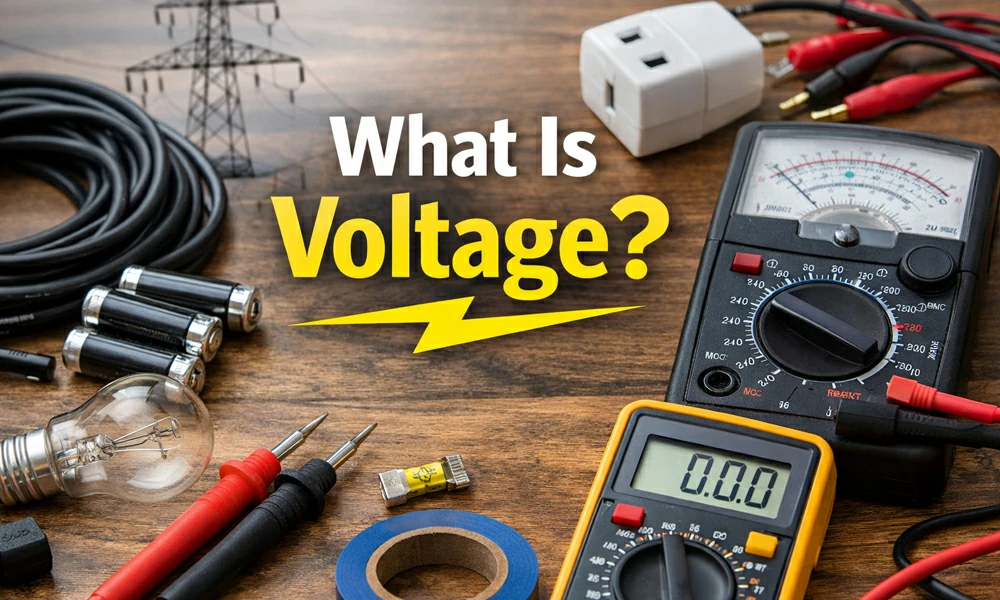
Starting with the Basics of Electricity
Electricity can seem intimidating at first, but breaking it down into its core concepts makes everything far more approachable. One of the most fundamental concepts in electrical science is voltage. Understanding what voltage is, how it works, and why it matters forms the foundation for understanding nearly everything else about how electrical systems operate, from household appliances to large-scale energy storage systems.
Defining Voltage in Simple Language
Voltage is the measure of electrical potential difference between two points in a circuit. Think of it as the force that pushes electrical current through a conductor, similar to how water pressure pushes water through a pipe. The higher the voltage, the greater the push behind the electrical current. Without voltage, current wouldn't flow, and no useful electrical work could be done.
The Water Analogy Explained
One of the most helpful ways to understand what is voltage is through the water analogy. Imagine a tank of water elevated above a pipe. The height of the water creates pressure that pushes water through the pipe. In this analogy, the water pressure represents voltage, the flow of water represents current, and the pipe represents the conductor. Higher elevation means more pressure, just as higher voltage means more electrical force.
How Voltage Is Measured
Voltage is measured in volts, named after the Italian physicist Alessandro Volta, who invented the first electrochemical battery. The symbol for voltage is V, and measuring devices called voltmeters are used to determine the voltage between two points in a circuit. Common household voltage levels in the United States are 120 volts for standard outlets and 240 volts for larger appliances.
Types of Voltage: AC and DC
There are two primary types of voltage encountered in everyday electrical systems. Alternating current voltage, or AC, regularly reverses direction and is the type delivered through power grids to homes and businesses. Direct current voltage, or DC, flows in one consistent direction and is used in batteries, solar panels, and electronic devices. Understanding the difference between these two types is essential for working with different electrical systems.
Voltage in Batteries and Energy Storage
In battery systems, voltage indicates the electrical potential stored within the battery and available to drive current through a connected device or system. Battery packs are often designed to deliver specific voltage levels suited to different applications. Avepower's battery energy storage solutions are engineered to deliver consistent, reliable voltage output across a range of residential and commercial applications, ensuring stable performance for global B2B clients.
Why Voltage Matters in Real Applications
Voltage plays a critical role in determining how electrical devices perform. Appliances and devices are designed to operate within specific voltage ranges, and supplying the wrong voltage can lead to poor performance or damage. In energy storage systems, maintaining appropriate voltage levels ensures safe, efficient charging and discharging cycles, which directly impacts the overall lifespan and performance of the battery system.
Building a Foundation for Further Learning
Understanding voltage is the first step toward understanding broader electrical concepts like current, resistance, power, and energy. Whether you're a homeowner curious about how your electricity works or a professional evaluating energy storage solutions, grasping the fundamentals of voltage makes every subsequent concept easier to understand. This foundational knowledge also helps in evaluating the specifications of batteries, solar systems, and other energy technologies.