Custom Cabinets vs Stock Cabinets: What Should You Choose?
Posted by Rehan Manzoor
Filed in Family & Home 230 views
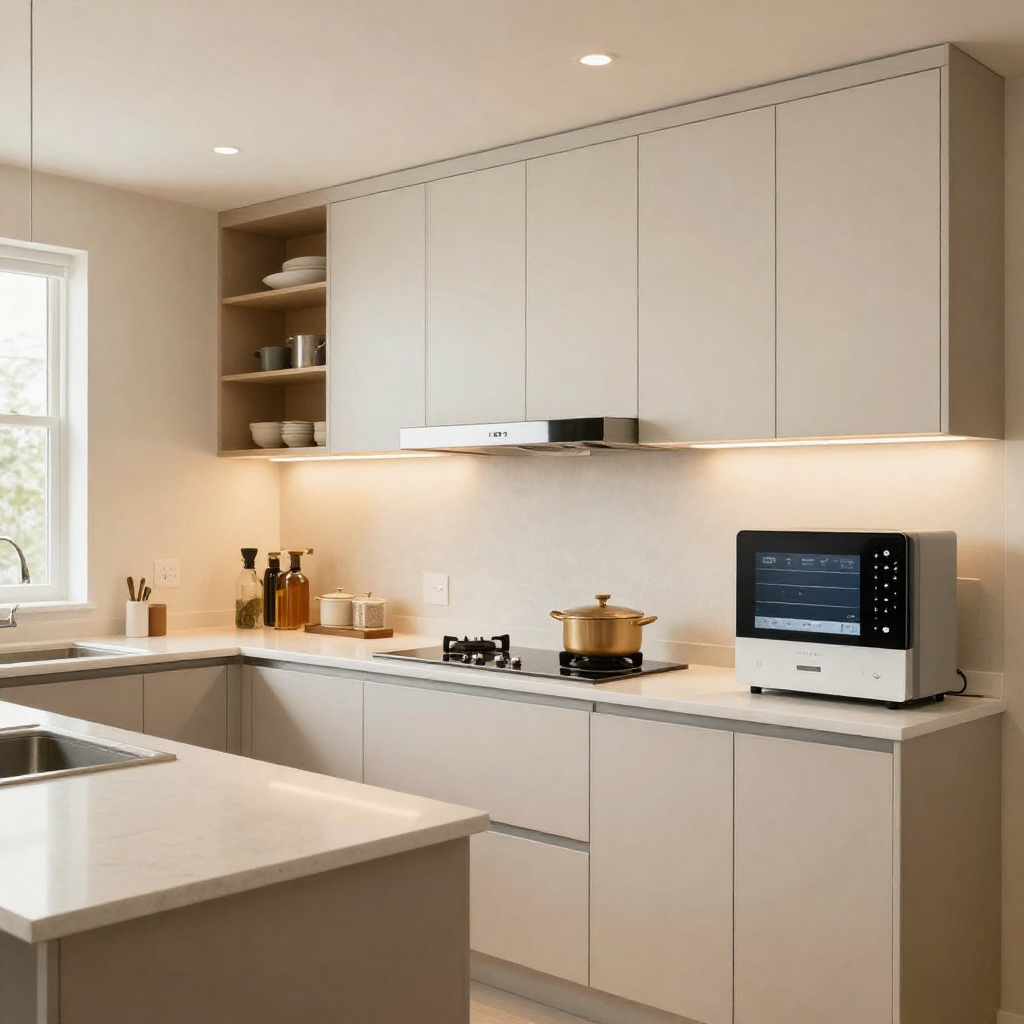
A kitchen remodel brings dozens of decisions. Yet cabinet selection can feel especially difficult. You may find an affordable stock option that looks attractive. Then you see a made-to-order design that fits every corner beautifully. Is the higher price worth it?The answer depends on your room, budget, timeline, and daily habits. Custom cabinets provide greater control over sizing, storage, materials, and appearance. Stock cabinets cost less upfront and usually arrive sooner. However, standard sizing may leave gaps or limit your layout.
For homeowners in Brookfield, WI, the right choice also depends on the property itself. An older kitchen with uneven walls has different needs than a newer open-plan home. This guide compares both options so you can spend wisely without regretting your decision later.
The Cabinet Choice That Shapes Your Entire Kitchen
Cabinets are not simply boxes attached to a wall. They control where you store dishes, how easily you prepare meals, and how freely you move through the room. Even a beautiful kitchen can become annoying if everyday items are difficult to reach.Picture a family preparing breakfast on a busy weekday. Someone needs a lunch container while another person opens a wide cabinet door nearby. Poor placement creates small conflicts every morning. A thoughtful cabinet layout keeps those movements from becoming frustrating.
The cabinet type also affects the finished appearance. Standard units may require filler strips beside walls or appliances. Made-to-fit kitchen cabinetry, however, can create cleaner lines and make better use of narrow spaces. Those details may seem small during planning, but you will notice them every day.
Custom Cabinets Offer More Control Over the Finished Space
Made-to-order cabinetry is created around the measurements and needs of a specific room. Width, height, depth, door style, finish, and interior storage can all be adjusted. That freedom is valuable in kitchens with unusual corners, angled walls, or limited floor space.You can also plan storage around your belongings. A tall pantry might include adjustable shelves for appliances and bulk groceries. A narrow pull-out can hold cooking oils beside the range. Deep drawers may replace traditional lower shelves, making heavy cookware easier to reach.
Personal choices go beyond storage. Tailored kitchen cabinets let you coordinate colors, wood species, hardware, and decorative details with the rest of your home. That level of control works well when you have a clear design in mind or want the kitchen to feel connected to nearby rooms.
Where Custom Base Cabinets Make a Real Difference
Lower cabinetry handles much of the kitchen’s hardest work. It supports countertops, holds heavy cookware, and surrounds sinks or appliances. Custom base cabinets can be sized around those functions instead of forcing everything into standard dimensions.
For instance, personalized lower cabinets may include extra-deep drawers for pots, a vertical divider for baking sheets, or a pull-out waste system near the sink. A shorter homeowner might prefer shallow storage that keeps items within easy reach. Small adjustments like these can noticeably change how comfortable the kitchen feels.
Stock Cabinets Keep Costs and Wait Times Under Control
Stock cabinetry is manufactured in standard sizes, finishes, and door styles. Since factories produce the same units in large quantities, costs are usually lower. Products may already be available at a warehouse or ready to ship within a shorter period.This option can work well in a simple kitchen with straight walls and common appliance sizes. It may also suit rental properties, quick renovations, and projects with a firm spending limit. If the available sizes fit the room properly, stock units can deliver a clean and functional result.
The trade-off is limited flexibility. You may have fewer finish choices, cabinet depths, and internal storage features. Standard widths can also leave unused areas near corners, walls, or appliances. Installers often cover these gaps with filler panels, but the space behind them provides no storage.Suppose a 10-inch space remains beside your refrigerator, while the smallest available cabinet is 12 inches wide. A filler panel can hide the gap. Still, you lose an area that could have held trays, cleaning supplies, or a slim pantry.
Custom Cabinets vs Stock Cabinets: A Quick Comparison
A lower quote can look convincing until you examine what it actually includes. Comparing the full project helps you avoid choosing based on price alone.
|
Feature |
Custom option |
Stock option |
|
Initial cost |
Usually higher |
Usually lower |
|
Production time |
Longer |
Shorter |
|
Size flexibility |
Built for exact measurements |
Limited to standard sizes |
|
Finish selection |
Broad range |
Preselected choices |
|
Interior storage |
Highly adjustable |
Basic configurations |
|
Unusual layouts |
Easier to accommodate |
May require fillers |
|
Design freedom |
Extensive |
Limited |
|
Replacement parts |
May require a special order |
Often easier to source |
|
Long-term usefulness |
Designed around the household |
Depends on how well standard sizes fit |
Neither column is automatically better. The right side depends on what your project demands. A square kitchen with a simple layout might not need extensive customization. Paying for features you will never use offers little value.On the other hand, made-to-order cabinet design may solve problems that stock sizes cannot. Uneven walls, low windows, sloped ceilings, and tight appliance clearances can turn standard cabinet installation into a puzzle. In those situations, a higher initial investment may prevent awkward compromises.
Hidden Costs Can Change the Real Price
Here is where buyers sometimes get caught off guard: the cabinet price is not always the final installed cost. Stock units may require filler panels, trim, additional labor, or layout changes. Those additions can narrow the price difference between the two options.Lost storage has a cost as well, although it does not appear on an invoice. Imagine giving up several inches beside a wall and another gap near the range. Across the full kitchen, that unused space could equal an entire cabinet. In a smaller Brookfield kitchen, every inch may matter.
Custom work can bring its own financial risks. Last-minute changes, premium wood, specialty finishes, and complicated inserts may raise the total quickly. A clear proposal should list materials, construction details, hardware, installation, and possible additional charges.
“Custom” Does Not Always Guarantee Quality
The label alone tells you very little about construction. Two custom products can differ greatly in durability. One may use sturdy plywood boxes and reliable drawer slides. Another may rely on weaker materials behind an attractive door.Ask about cabinet-box construction, shelf thickness, drawer joints, finishes, hinges, and warranties. Open sample drawers and notice how they move. Check whether shelves feel stable under pressure. These practical checks reveal more than a product label or showroom display.
Match Your Cabinets to the Way You Live
Start with your daily routine. Do you cook often? Do children reach their own snacks? Are heavy appliances stored on the counter because there is nowhere else to place them? Your answers should guide the layout.A busy family may value deep drawers and easy-clean finishes more than decorative trim. Someone who enjoys baking might want tray dividers, mixer storage, and a dedicated preparation area. In such cases, custom-built cabinet storage can remove repeated everyday frustrations.
Stock cabinetry may be the sensible choice for a lightly used kitchen or a short-term property. There is little reason to pay for highly personal features if you expect to move soon. Standard units can still look polished when the room works with their available dimensions.Older Brookfield homes deserve extra attention during measurement. Walls may not be perfectly straight, and floors can slope slightly. Windows, vents, or plumbing may also sit in unusual locations. Customized sizing can work around those conditions, while stock products may need extra fillers and trim.
How to Make a Confident Decision in Brookfield
Begin by setting a realistic total budget. Include cabinetry, hardware, delivery, installation, countertops, plumbing changes, and finishing work. Looking only at the cabinet-box price creates an incomplete picture.Next, have the room measured carefully. A small error can cause problems around appliances, corners, and door openings. Professional measurements also show whether standard sizes will fit cleanly or require several compromises.
Request detailed proposals for both options when possible. Compare the following points rather than looking only at the final number:
-
Cabinet-box and door materials
-
Drawer and hinge quality
-
Available storage accessories
-
Fillers and unused areas
-
Delivery schedule
-
Installation charges
-
Product and labor warranties
Cabinets MKE can help Brookfield homeowners review these details through practical design planning. Seeing the proposed layout in a 3D design can make gaps, crowded walkways, and awkward storage easier to notice before ordering.
Do not rush because one estimate seems cheaper. Ask yourself how long you expect to use the kitchen. Spending slightly more can make sense if it fixes a difficult layout for the next 15 years. If standard sizes already suit the space, stock cabinets may leave more money for countertops, flooring, or appliances.
Final Thoughts
The better choice is the one that fits your home without stretching your finances unnecessarily. Stock cabinets offer faster delivery, predictable choices, and a lower starting price. They perform well in straightforward kitchens that match standard dimensions.Customized cabinetry costs more and takes longer to produce. In return, it offers precise sizing, personal storage, and wider design freedom. It is especially useful for unusual layouts or households with specific needs.Measure carefully, compare construction quality, and calculate the complete installed price. Once those facts are clear, the decision becomes much easier—and far less dependent on a showroom’s sales pitch.