How to Remove an Inground Pool on Long Island: A Complete Homeowner's Guide
Posted by Reliable Contracting
Filed in Other 199 views
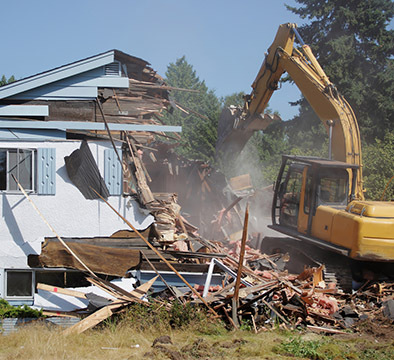
Why More Long Island Homeowners Are Choosing to Remove Inground Pool
If you're planning to remove inground pool Long Island properties often have on their property, you're not alone. Across Nassau and Suffolk County, more homeowners are deciding that their backyard pool has become more of a burden than a benefit. Maybe the liner is cracked, the pump keeps failing, or the annual maintenance costs have simply gotten out of hand. Whatever the reason, pool removal has become one of the most requested backyard renovation projects on the Island.
For many families, the decision comes down to lifestyle changes. Kids grow up and stop using the pool as often, insurance premiums climb because of the liability, and what once felt like a summer luxury starts to feel like a chore. Others simply want to reclaim their yard space for gardens, patios, or outdoor entertaining areas that don't require constant upkeep. Whatever your motivation, understanding the process before you begin can save you time, money, and unnecessary stress.
Understanding Your Removal Options
When it comes to getting rid of an old pool, homeowners generally have two paths: a full removal or a partial removal. A full removal means the entire pool structure, including walls and floor, is excavated and hauled away. This is the more thorough option and is often required if you plan to build a structure, like an addition or garage, on that portion of your property in the future.
A partial removal, on the other hand, involves breaking up the pool structure, punching holes in the base for drainage, and burying the debris on-site before backfilling with clean soil. This method is generally faster and more affordable, though it does come with some limitations if you ever plan to build directly over that spot. A reputable contractor should walk you through both options and help you decide which one fits your property, budget, and future plans.
Permits are another important piece of the puzzle. Nearly every town on Long Island requires a permit before any demolition work begins, and some municipalities have specific rules about backfilling, grading, and drainage. Working with a contractor who is familiar with local codes in your specific town can prevent costly delays.
What to Expect When You Pursue Pool Removal Long Island Wide
Homeowners searching for pool removal Long Island services should know that the process typically unfolds in a series of predictable stages. First, the contractor drains the pool completely, which can take anywhere from several hours to a full day depending on the pool's size and your local water discharge regulations. Some towns require that water be pumped into the sewer system rather than drained onto the property or into storm drains, so this step is more regulated than most people expect.
Once drained, heavy equipment is brought in to break apart the concrete, fiberglass, or vinyl structure. For partial removals, the debris is typically pushed to the bottom of the excavated hole. For full removals, everything is hauled offsite to an approved disposal facility. After the structure is dealt with, the hole is backfilled with clean fill material, compacted in layers to prevent future sinking, and graded to promote proper drainage away from your home's foundation.
The entire process, from permitting to final grading, usually takes anywhere from one to three weeks depending on the size of the pool, weather conditions, and how quickly your town processes permits. It's worth asking any contractor you're considering for a realistic timeline based on your specific property, since delays are common during the busy spring and summer renovation seasons.
Costs You Should Budget For
Pool removal costs on Long Island vary significantly based on the type of removal, pool size, and accessibility of your backyard. Partial removals tend to run on the lower end of the cost spectrum since less labor and disposal work is involved, while full removals cost more due to the extensive excavation and hauling required. Additional factors that can influence your final price include the distance equipment needs to travel to reach your pool, whether a fence, deck, or patio needs to be removed first, and how far the debris must be trucked to a disposal site.
It's a good idea to get at least three quotes from licensed and insured contractors before committing to a project this size. Be wary of any quote that seems dramatically lower than the others, as this can sometimes indicate cut corners, like inadequate backfill compaction, that could lead to costly problems with sinking or drainage down the road.
Choosing the Right Contractor for the Job
Not every demolition or landscaping company has the specific experience needed for proper pool removal. Look for a contractor who has handled multiple pool removal projects in your area, understands local permitting requirements, and can provide references or photos from past jobs. Ask specifically about their backfill process, since improper compaction is one of the most common causes of future yard settling issues.
It's also worth asking whether the contractor carries proper insurance and whether they'll handle the permit application on your behalf. A contractor who is upfront about the timeline, potential complications, and total cost breakdown is generally a good sign that they've done this type of work many times before and know what to expect.
Making the Most of Your New Backyard Space
Once your pool is gone, the possibilities for your backyard really open up. Many homeowners choose to plant grass and create a traditional lawn, while others opt for a paver patio, garden beds, or even a small structure like a shed or gazebo. Whatever you choose, it's a good idea to wait a full season before making major additions, since freshly backfilled soil can continue to settle over time.
Removing an inground pool is a significant decision, but for many Long Island homeowners, it's one that pays off in reduced maintenance, lower insurance costs, and a backyard that better fits their current lifestyle. Taking the time to understand the process, get multiple quotes, and hire an experienced contractor will help ensure the project goes smoothly from start to finish.