Creating Reliable Distribution Systems for Growing Companies
Posted by Thomas Engel
Filed in Business 10 views
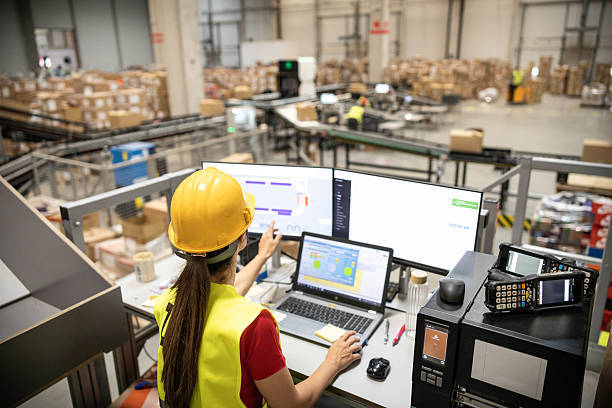
A successful company needs more than excellent products and competitive prices to maintain steady growth. It also requires an organized system for moving materials, products, and information efficiently. Businesses operating in local and international markets must coordinate suppliers, storage facilities, transportation providers, employees, and customers. Effective logistics creates this connection and allows organizations to manage their resources while meeting customer expectations. As business environments become more demanding, companies are increasingly focused on building flexible systems that can respond quickly to changing requirements.
Understanding Modern Distribution Networks
Distribution networks connect different stages of business operations. Raw materials may travel from suppliers to manufacturers, finished products may move into warehouses, and completed orders may then reach customers through various delivery channels. Every stage requires planning because delays at one point can affect the entire operation.
A strong logistics structure provides businesses with greater control over these activities. Managers can monitor inventory, organize transportation, schedule deliveries, and coordinate employees according to current demand. This level of organization reduces confusion and allows companies to identify problems before they become major disruptions.
Planning for Efficient Transportation
Transportation planning has a direct influence on operating costs and customer satisfaction. Businesses need to consider delivery distances, vehicle capacity, fuel consumption, traffic conditions, product requirements, and expected delivery times. Choosing the right transportation method can make a significant difference in overall performance.
Companies may use road transportation for flexible regional deliveries, rail for large quantities over longer distances, air transportation for urgent shipments, and maritime transportation for international cargo. The most effective approach depends on the product and business requirements. Careful planning helps organizations avoid unnecessary expenses while maintaining dependable delivery schedules.
Improving Route Management
Route planning can help companies reduce travel time and fuel consumption. Instead of sending vehicles through inefficient routes, businesses can use digital mapping and transportation software to identify practical paths. Real-time traffic information can also help drivers and managers respond to unexpected road conditions.
Better route management is particularly valuable for companies completing many deliveries each day. When multiple orders are organized according to destination and priority, vehicles can operate more efficiently. This can reduce operating costs while allowing businesses to complete more deliveries with available resources.
Managing Delivery Expectations
Customers often judge a company by how reliably it fulfills delivery promises. An organization may have an excellent product, but repeated delivery delays can damage its reputation. Businesses therefore need accurate scheduling and clear communication throughout the distribution process.
Logistics teams can support better customer experiences by providing realistic delivery estimates and updating customers when circumstances change. Transparency allows customers to plan accordingly and reduces frustration caused by uncertainty. Reliable communication can also strengthen customer confidence and encourage repeat business.
The Value of Effective Warehouse Operations
Warehousing plays a central role in the movement of products. A warehouse must provide sufficient storage capacity while allowing employees to retrieve, organize, and prepare goods efficiently. Poor warehouse organization can create delays, increase labor requirements, and make inventory management more difficult.
Businesses can improve warehouse performance through appropriate shelf arrangements, labeling systems, inventory software, and employee training. Products that are frequently requested should be positioned where workers can access them easily. This reduces unnecessary movement and helps orders leave the facility more quickly.
Inventory Accuracy and Control
Inventory accuracy is essential for businesses that want to avoid shortages and excessive stock. Incorrect records can cause companies to purchase unnecessary products or discover too late that important items are unavailable. Regular inventory checks and digital tracking systems can improve visibility.
Effective logistics practices connect inventory information with purchasing and sales activities. When managers know what is available and what customers are ordering, they can make better decisions about replenishment. Accurate information also helps businesses reduce storage costs and minimize the possibility of products becoming outdated.
Technology in Warehouse Management
Technology has transformed warehouse operations by making information easier to collect and share. Barcode scanners, radio-frequency identification systems, warehouse management software, automated equipment, and cloud platforms can improve accuracy and productivity.
Digital systems allow employees to record incoming and outgoing products quickly. Managers can then view updated information without relying entirely on manual paperwork. Automation can also assist with repetitive tasks, allowing employees to focus on activities that require greater attention and decision-making.
Building Strong Supplier Relationships
Suppliers are an important part of every supply network. Businesses depend on suppliers for raw materials, packaging, equipment, and other resources needed to maintain operations. A reliable supplier relationship can reduce uncertainty and support consistent production.
Companies should evaluate suppliers according to quality, pricing, reliability, communication, capacity, and delivery performance. Maintaining open communication allows both parties to identify potential problems earlier. Businesses may also benefit from developing relationships with alternative suppliers so that operations do not depend entirely on one source.
Preparing for Market Changes
Customer demand can change quickly because of economic conditions, seasonal trends, new competitors, technological developments, or changes in consumer preferences. Businesses that cannot adjust their supply operations may experience excess inventory or product shortages.
Flexible logistics systems allow companies to respond more effectively. Managers can adjust purchasing schedules, warehouse capacity, transportation arrangements, and staffing levels according to current requirements. Flexibility becomes especially important during periods of rapid growth when traditional processes may no longer be sufficient.
Managing Operational Risks
Unexpected disruptions can affect almost any supply network. Weather events, transportation interruptions, equipment failures, supplier problems, and labor shortages can delay operations. Businesses should therefore identify possible risks and develop practical responses before problems occur.
Risk management may include maintaining backup suppliers, creating alternative delivery arrangements, protecting important data, and keeping appropriate emergency inventory. These preparations can help companies continue serving customers even when normal processes are interrupted.
Sustainable Approaches to Business Operations
Environmental responsibility is becoming an important consideration for modern companies. Businesses are examining how transportation, packaging, warehousing, and inventory decisions affect the environment. Reducing unnecessary movement and waste can support sustainability while also improving efficiency.
Companies can combine deliveries, optimize vehicle capacity, reduce excessive packaging, and select efficient transportation methods. These changes can lower fuel consumption and operating expenses. Sustainable logistics therefore does not necessarily require businesses to sacrifice profitability. In many cases, efficient resource use can provide environmental and financial benefits at the same time.
Developing Long-Term Operational Strength
A strong distribution system should support both current activities and future expansion. Companies expecting growth need processes that can handle increasing order volumes without creating unnecessary delays. Investing in technology, employee development, supplier relationships, and facility planning can create a stronger foundation.
Managers should regularly evaluate operational performance and identify areas that need improvement. Delivery times, inventory accuracy, transportation costs, warehouse productivity, and customer feedback can provide useful information. Continuous improvement allows businesses to adapt rather than depending on processes that may become outdated.
Creating a Customer-Centered System
The ultimate purpose of a distribution network is to deliver value to customers. Every decision involving inventory, transportation, warehousing, and communication should consider how it affects the customer experience. Businesses that understand this connection can make better operational choices.
Customer expectations continue to rise as online shopping and global commerce become more common. Fast fulfillment, accurate orders, secure packaging, transparent tracking, and dependable support can distinguish one company from another. Logistics helps bring these expectations together by coordinating the physical and informational movement required to complete each transaction.
Conclusion
Reliable distribution systems are essential for businesses seeking sustainable growth and strong customer relationships. Logistics connects suppliers, warehouses, transportation services, employees, and customers into one coordinated network. Effective planning can improve delivery performance, inventory accuracy, warehouse productivity, supplier reliability, and operational resilience. Technology provides greater visibility, while sustainable practices can reduce waste and unnecessary expenses. Companies that continuously improve their logistics operations can respond more effectively to market changes, manage resources responsibly, and build dependable foundations for long-term success.