How to Fix Heating and Air Conditioning Issues — A Springfield Homeowner's Guide
Posted by Jco Heating A/C Electrical LLC
Filed in Other 321 views
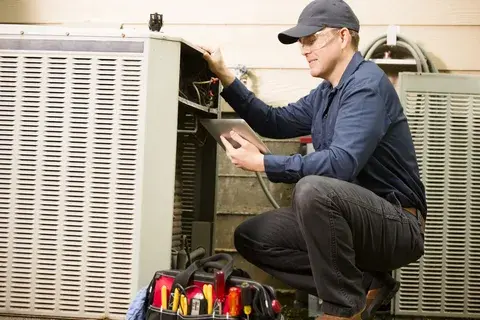
Your home's comfort depends on two systems working reliably every day — your heater in winter and your air conditioner in summer. When either one starts underperforming, the cost of waiting almost always exceeds the cost of acting. Springfield, Oregon's seasonal climate puts real pressure on both systems, and the homeowners who understand their HVAC equipment are the ones who spend less over time and deal with fewer emergencies.
This guide covers the practical side of how to fix heating and air conditioning issues — what the most common failure patterns look like, how to respond to each one, and how professional care keeps both systems running at their best year after year.
Understanding Why HVAC Systems Fail
Age and Wear Are the Biggest Factors
Most heating and air conditioning problems aren't random. They follow predictable patterns based on the age of the equipment, how consistently it's been maintained, and how hard it's been pushed through each season. A system that's been serviced every year and had its components inspected regularly will almost always outlast and outperform one that only gets attention when it stops working.
Components like capacitors, contactors, belts, and bearings have limited lifespans. They wear down gradually — and once they reach the end of their service life, they fail. The difference between a homeowner who catches that failure early and one who doesn't is usually whether they've been scheduling professional heating maintenance Springfield OR consistently. A trained technician sees the wear before it becomes a breakdown.
How Springfield's Climate Accelerates Wear
Springfield's wet winters and warm summers mean your HVAC system rarely gets a long rest. Heat pumps in particular run almost continuously across the year — cooling in summer, heating in winter, with very little downtime in between. That constant demand accelerates wear on refrigerant components, electrical contacts, and moving parts faster than in climates with more moderate seasonal swings. Staying ahead of that wear is what professional maintenance is designed to do.
Heating System Problems and How to Address Them
Your Home Takes Too Long to Heat Up
Slow heating is one of the most common complaints Springfield homeowners bring to HVAC technicians. The system runs — you can hear it — but an hour later the house still feels cold. This symptom usually traces back to one of three causes: restricted airflow from a clogged filter, a heat exchanger that's losing efficiency, or ductwork that's leaking conditioned air into unconditioned spaces before it reaches your living areas.
Start by replacing your air filter. If that doesn't resolve it, the diagnosis requires professional equipment to assess heat exchanger performance and duct integrity. Scheduling Furnace repair Springfield at this stage — before the problem worsens — almost always costs less than waiting until the system fails completely.
Heating Bills Keep Climbing
A steady increase in your heating bills without a change in usage or weather patterns is a reliable sign that your system's efficiency is declining. Dirty burners, worn components, and low refrigerant all force the system to burn more fuel to produce the same heat output. Over a full Oregon winter, that inefficiency adds up to hundreds of dollars in unnecessary costs.
If your furnace is over 12 years old and efficiency has been dropping, a professional evaluation of Furnace installation Springfield may reveal that a modern high-efficiency unit pays for itself through monthly savings faster than most homeowners expect. Today's systems operate at efficiency ratings that older equipment simply cannot match.
Burning Smell When the Heat Comes On
A brief dusty smell at the beginning of heating season is normal — it's residual dust burning off heat exchangers that sat idle through summer. What's not normal is a smell that persists beyond the first few minutes, or any odor resembling burning plastic, rubber, or electrical components. These smells indicate a component inside the system is overheating. Turn the system off and call for professional service immediately — persistent burning smells are a fire risk that shouldn't be ignored.
Air Conditioning Problems and How to Address Them
AC Cools Unevenly Across the House
If your air conditioning system keeps some rooms comfortable while others stay warm, the problem is almost never the AC unit itself — it's the distribution system. Leaking ductwork, blocked vents, or an imbalanced zone setup are the usual causes. Walk through your home and check that all supply and return vents are fully open and unobstructed. If that doesn't help, a professional duct inspection will pinpoint exactly where conditioned air is escaping before it reaches the problem rooms.
System Runs All Day Without Cooling the House
An air conditioner that runs constantly but fails to bring your home to the set temperature is either undersized for the space, low on refrigerant, or has a failing compressor. Of these, low refrigerant is the most common. It's important to understand that refrigerant doesn't deplete through normal use — if levels are low, there's a leak. A technician needs to find the leak, repair it, and recharge the system. Simply topping off refrigerant without addressing the leak is a temporary solution that costs you money without fixing the underlying problem.
AC Makes Noise It Didn't Used to Make
New sounds from your air conditioning system are almost always meaningful. A high-pitched squealing points to worn bearings in the blower motor or condenser fan. Banging or clanging suggests a loose or broken component inside the unit. Clicking at startup and shutdown is normal — clicking that continues while the system runs is not. Any new, persistent noise warrants a professional inspection before it develops into a more expensive mechanical failure.
Heat Pump Troubleshooting
Heat pumps operate differently from furnaces and air conditioners — they move heat rather than generate it, which makes their failure patterns distinct. If your heat pump is blowing cool air in heating mode, failing to switch between heating and cooling, or running its defrost cycle more frequently than usual, these are specific symptoms of heat pump component failure. Professional Heat pump repair Springfield OR technicians are trained to diagnose reversing valve failures, defrost board issues, and refrigerant problems that are unique to heat pump systems and often misdiagnosed by technicians without specific heat pump experience.
What Professional Maintenance Actually Prevents
The connection between regular heating maintenance Springfield OR and fewer breakdowns is direct and well-documented. Systems that receive professional servicing twice a year — before each peak season — run more efficiently, last longer, and experience far fewer mid-season failures than those that don't.
A professional maintenance visit includes cleaning evaporator and condenser coils, testing and tightening electrical connections, checking refrigerant charge, inspecting heat exchangers for cracks, lubricating all moving parts, and running a full performance verification. Every one of those steps addresses a specific failure point that, if left unattended, eventually causes a breakdown. Maintenance doesn't prevent problems from existing — it catches them before they become failures.
Jco Heating A/C Electrical provides professional heating and air conditioning services across Springfield and Lane County, helping homeowners stay comfortable through every Oregon season with honest assessments and quality workmanship.
Safety First — Know Your Limits
Homeowners can safely handle filter replacements, thermostat adjustments, breaker resets, and clearing debris from around outdoor units. Everything beyond that — gas line work, refrigerant handling, electrical component replacement, heat exchanger inspection — requires a licensed HVAC technician. Oregon law requires licensing for these tasks, and attempting them without proper training creates safety risks that far outweigh any potential savings.
When your heating or air conditioning system needs more than basic attention, working with a licensed local professional is always the right call. Acting early, staying on a maintenance schedule, and knowing when to call for help are the three habits that keep HVAC costs manageable and homes comfortable year-round.
Frequently Asked Questions
Why does my furnace turn on and off every few minutes in Springfield, OR?
Rapid cycling — called short cycling — is usually caused by a dirty filter, an oversized furnace, or a failing flame sensor. Replace your filter first. If the problem continues, schedule Furnace repair Springfield to have the flame sensor inspected and the system evaluated for sizing issues.
How do I know if my heat pump needs repair in Springfield?
If your heat pump struggles in heating mode, blows cool air when set to heat, or runs its defrost cycle constantly, these are signs of component failure rather than normal operation. Professional Heat pump repair Springfield OR can diagnose the specific cause and restore full performance.
What does a heating maintenance visit cover in Springfield, OR?
A professional heating maintenance Springfield OR visit covers coil cleaning, electrical testing, refrigerant check, heat exchanger inspection, lubrication, filter assessment, and a full system performance test. It typically takes one to two hours and is the most cost-effective investment in your system's longevity.
How long do heating and air conditioning systems last in Springfield, Oregon?
With consistent professional maintenance, most systems last 15 to 20 years. Without regular servicing, that lifespan drops to 10 to 12 years in many cases. The difference in replacement cost between those two scenarios is significant — making annual maintenance one of the smartest financial decisions a homeowner can make.