Why a Food Pantry Still Matters Even When Food Seems Everywhere
Posted by Philabundance US
365 views
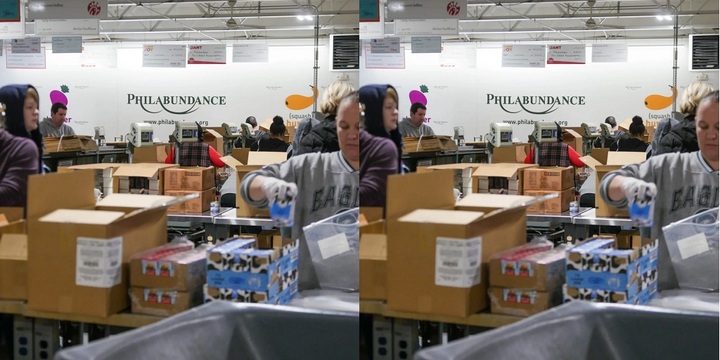
You can walk into a grocery store and see shelves fully stocked. Then in the same city, someone is figuring out how to stretch one meal across two days. That’s where a food pantry starts to make sense.
There are a lot of situations that push people into needing help with food. It doesn’t always look like what you expect. And even with programs like SNAP, gaps still show up in everyday life.
The Real Life Moments That Lead People to a Food Pantry
People don’t wake up planning to need help. It usually builds quietly, then all at once.
A sudden job loss. A medical bill that eats up savings. Rent going up while income stays the same. Single parents juggling everything and still falling short. These are normal stories.
This is where a food pantry becomes part of someone’s routine, even if it’s temporary. It fills the gap when income and expenses don’t line up.
Midway through those situations, access to a food pantry also supports basic stability. It connects people to food assistance that keeps meals consistent while they figure out the rest.
Some families rely on it for a few weeks. Others longer. Either way, it prevents small setbacks from turning into something heavier.
And when you zoom out, this is what hunger relief actually looks like on the ground. Not dramatic. Just steady support.
Is Food Actually Scarce or Just Out of Reach Without a Food Pantry
There is enough food in the system. That part is true. The problem sits somewhere else.
Food is often in the wrong place, at the wrong time, or priced out of reach. That’s how food insecurity shows up even in a country with strong supply.
A food pantry works around that gap. It takes surplus food from a food bank or local partners and puts it directly into neighborhoods where it’s needed.
Midway through that process, a food pantry also helps convert what would be wasted into emergency food for families who need it right now.
SNAP helps a lot of households. It gives people a way to buy groceries with some breathing room. Still, it doesn’t always cover the full month.
There are days when benefits run out early. There are weeks when unexpected expenses take priority. That’s when local access points matter.
That’s also why people still donate food and support these systems. Because supply alone doesn’t solve access.
Why a Food Pantry Becomes Part of the Community, Not Just a Stopgap
After a while, you start to see how embedded these places are.
A food pantry isn’t just a place to pick up groceries. It’s part of a local network that understands what people need week to week.
Midway through operations, a food pantry connects with volunteers, donors, and partners who keep everything moving. People show up to sort food, pack boxes, and help distribute meals.
That’s where you’ll see calls to volunteer food pantry programs. It’s hands-on. You see exactly where the food goes.
In places like Philadelphia, this becomes even more visible. Local systems for Philadelphia food rely on coordination between pantries, suppliers, and community groups.
It starts to feel less like charity and more like shared support. People helping people stay fed.
A Food Pantry Still Has a Role, No Matter How Much Food Exists
Food isn’t scarce in the way people think. Access is.
A food pantry bridges that gap every day. It keeps food moving from surplus to someone’s kitchen.
It also gives families a way to stay steady during hard moments. That matters more than most people realize.
Support Your Local Food Pantry Today
If you’ve been thinking about helping, this is where it becomes real.
Philabundance supports a wide network of pantries and food bank partners working on hunger relief across the Delaware Valley. They help turn excess into meals and keep food accessible where it’s needed most.
Learn more about their work, volunteer and see the impact yourself or donate funds to support ongoing distribution. A food pantry works because people keep it going. You can be part of that.
For more information about Food Rescue Us and Food Donation Drop Off Please visit: Philabundance.