Categories
Tags
- #Health
- #diagnostic services
- #clinical diagnostics market
- #Home
- ##Otorhinolaryngology #ENTDevices #MedicalDevices #HealthcareTechnology #MedTech #HospitalEquipment #HealthcareIndustry #MarketResearch #GlobalMarketInsights #StraitsResearch
- #medical
- #Healthcare
- #management
- #Emergency Garage Door Repair
- #blood pressure monitoring
- ##HealthcareAI
- #Ear
- #checkup
- #Patient
- #Podiatry
- #care
- #Foot
- #Otoscope
- #Hospitals
- #Chair
- ##HealthTech
- #Medical Tools
- #Otoscopes
- #First aid
- #Aid
- #Medical Gloves
- #supplies
- #emergency first aid kit
- #syringes
- #insulin
- #Syringe
- #Hospital
- #mattress
- #recovery
- #medguard
- #medical supplies
- #medical accessories
- #medical device
- #medical equipments
- #medical suppliers
- #medicine bags
- #Ireland
- #Daily living
- #Seating
- #medical equipment
- #Diagnostics
- #diagnostics tools
- #irish
- #medicaal
- #AI Healthcare Robotics
- #diagnostic
- #cost
- #Nebuliser
- #diagnostic tools
- #medguard healthcare
- #trusted
- #medical device
- #nlood pressure
- #blood pressure monitors
- #blood pressure machine
- #first aid supplies
- #trusted partners
- #Inadine dressings
- #Wound care
- #Stethoscope
- #littman sgethoscope
- #needles
- #Hygiene products
- #Infection prevention
- #Thermometers
- #FIrest aid supplies
- #medguatrd
- #Blood prerssure machine
- #insulin syringe and needles
- #diabetes
- #Overbed Table
- #Overbed Tables
- #Littmann Stethoscope
- #Thermometer
- #Parents
- #Wound Dressings
- #trusted medical suppliers
- #Diagnostic equipment
- #Urine Test Strips
- #Urine Test
- #blood pressure monitor
- #Defibrillators
- #Meduard
Best Patient Lifts for Home Caregivers in 2026
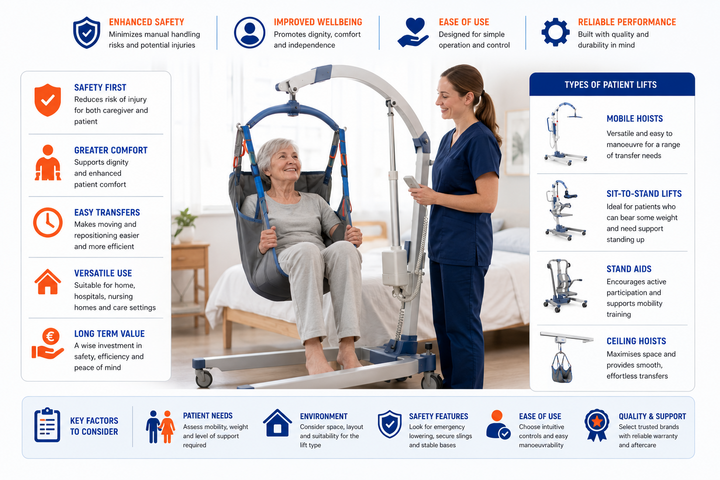
Caring for a loved one with limited mobility can be physically demanding and emotionally challenging. Whether assisting an aging parent, a recovering surgery patient, or someone living with a long-term disability, safe patient transfers are one of the biggest concerns for home caregivers. In 2026, patient lift technology continues to improve, offering safer, more comfortable, and more efficient solutions for both caregivers and patients.
Patient lifts are no longer limited to hospitals and nursing facilities. Today, many families are investing in home patient lift systems to reduce caregiver strain, improve patient dignity, and create a safer caregiving environment. Choosing the right lift can significantly improve daily care routines while helping prevent injuries caused by manual lifting.
Why Patient Lifts Are Important for Home Care
Transferring a patient from a bed to a wheelchair, bathroom, or recliner can place significant stress on a caregiver’s back, shoulders, and joints. Improper lifting techniques are one of the leading causes of caregiver injuries in home healthcare settings.
Modern patient lifts help:
- Reduce the risk of falls and transfer accidents
- Minimize physical strain on caregivers
- Improve patient comfort and stability
- Support safer daily mobility routines
- Encourage patient independence where possible
For patients with reduced strength, balance issues, neurological conditions, or post-surgical recovery needs, patient lifts provide an added layer of safety and confidence during movement.
Types of Patient Lifts for Home Caregivers
Understanding the different types of patient lifts can help families choose the most suitable option for their homecare needs.
Floor Patient Lifts
Floor lifts are among the most commonly used home patient lift systems. These mobile lifts operate on wheels and can be moved between rooms as needed.
They are ideal for:
- Bed-to-wheelchair transfers
- Home environments with enough floor space
- Caregivers seeking flexibility and affordability
Most modern floor lifts are available in manual hydraulic or electric-powered models.
Sit-to-Stand Patient Lifts
Sit-to-stand lifts are designed for patients who still have partial weight-bearing ability but need assistance standing up safely.
These lifts are especially helpful for:
- Seniors with reduced leg strength
- Rehabilitation patients
- Daily bathroom and chair transfers
They promote more active participation from the patient while reducing caregiver effort.
Ceiling-Mounted Patient Lifts
Ceiling lifts use an overhead track system to transfer patients smoothly from one location to another.
Benefits include:
- Minimal floor obstruction
- Easier transfers in smaller spaces
- Reduced caregiver strain during repetitive transfers
Although installation costs may be higher, ceiling lifts are often preferred for long-term home care situations.
Features to Look for in a Patient Lift
Not all patient lifts offer the same functionality. Before purchasing a lift for home use, caregivers should consider several important factors.
Weight Capacity
Always ensure the lift safely supports the patient’s weight. Bariatric models are available for patients requiring higher weight capacities.
Ease of Use
Simple controls, smooth maneuverability, and quick sling attachment systems can make daily caregiving more manageable.
Patient Comfort
Comfortable slings and stable transfer mechanisms help reduce anxiety during movement. Patients are more likely to cooperate when transfers feel secure and comfortable.
Power Source
Electric lifts reduce physical effort and are ideal for frequent daily use. Manual lifts may be more affordable but require greater caregiver involvement.
Home Space Requirements
Some lifts require wider turning areas or permanent installation. Measuring the caregiving space beforehand can help avoid future mobility issues.
Best Situations for Using Patient Lifts at Home
Patient lifts can support a wide range of medical and mobility needs, including:
- Elderly care
- Stroke recovery
- Parkinson’s disease
- Multiple sclerosis
- Spinal cord injuries
- Post-surgical rehabilitation
- Long-term disability care
In many cases, lifts allow family caregivers to continue caring for loved ones safely at home instead of relying entirely on institutional care.
Safety Tips for Home Caregivers
While patient lifts improve transfer safety, proper usage remains essential. Caregivers should always follow manufacturer instructions and recommended safety practices.
Important safety tips include:
- Inspect slings and straps regularly for wear
- Lock wheelchair brakes before transfers
- Never exceed the lift’s weight limit
- Use compatible slings recommended by the manufacturer
- Ensure patients are positioned securely before movement
- Receive proper training if using advanced lift systems
Unsafe lift usage can increase the risk of falls and injuries for both caregivers and patients.
Are Patient Lifts Covered by Insurance?
In some cases, patient lifts may qualify for insurance or healthcare reimbursement programs. Coverage often depends on:
- Medical necessity
- Physician recommendations
- Patient mobility limitations
- Specific insurance policies
Families should consult healthcare providers and insurance companies to understand eligibility requirements before purchasing equipment.
Final Thoughts
As home healthcare continues to grow in 2026, patient lifts have become essential tools for safer and more effective caregiving. From reducing caregiver injuries to improving patient comfort and dignity, these mobility solutions can transform daily care routines for families managing long-term health needs at home.
Choosing the right patient lift depends on the patient’s mobility level, the home environment, and the caregiver’s physical demands. By investing in reliable transfer equipment and following proper safety practices, families can create a more secure and supportive homecare experience for everyone involved.