Categories
Tags
- #Health
- #diagnostic services
- #clinical diagnostics market
- #Home
- ##Otorhinolaryngology #ENTDevices #MedicalDevices #HealthcareTechnology #MedTech #HospitalEquipment #HealthcareIndustry #MarketResearch #GlobalMarketInsights #StraitsResearch
- #medical
- #Healthcare
- #management
- #Emergency Garage Door Repair
- #blood pressure monitoring
- ##HealthcareAI
- #Ear
- #checkup
- #Patient
- #Podiatry
- #care
- #Foot
- #Otoscope
- #Hospitals
- #Chair
- ##HealthTech
- #Medical Tools
- #Otoscopes
- #First aid
- #Aid
- #Medical Gloves
- #supplies
- #emergency first aid kit
- #syringes
- #insulin
- #Syringe
- #Hospital
- #mattress
- #recovery
- #medguard
- #medical supplies
- #medical accessories
- #medical device
- #medical equipments
- #medical suppliers
- #medicine bags
- #Ireland
- #Daily living
- #Seating
- #medical equipment
- #Diagnostics
- #diagnostics tools
- #irish
- #medicaal
- #AI Healthcare Robotics
- #diagnostic
- #cost
- #Nebuliser
- #diagnostic tools
- #medguard healthcare
- #trusted
- #medical device
- #nlood pressure
- #blood pressure monitors
- #blood pressure machine
- #first aid supplies
- #trusted partners
- #Inadine dressings
- #Wound care
- #Stethoscope
- #littman sgethoscope
- #needles
- #Hygiene products
- #Infection prevention
- #Thermometers
- #FIrest aid supplies
- #medguatrd
- #Blood prerssure machine
- #insulin syringe and needles
- #diabetes
- #Overbed Table
- #Overbed Tables
- #Littmann Stethoscope
- #Thermometer
- #Parents
- #Wound Dressings
- #trusted medical suppliers
- #Diagnostic equipment
- #Urine Test Strips
- #Urine Test
How Proper Nebuliser Maintenance Improves Patient Outcomes in Clinical Settings
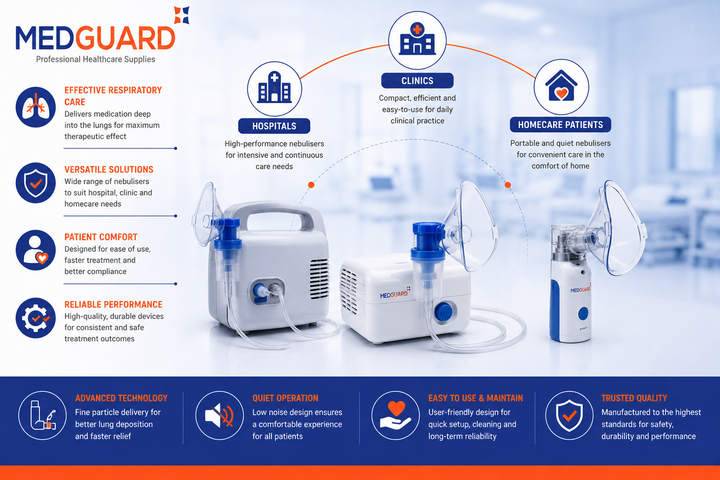
Nebulisers play a vital role in modern respiratory care, helping deliver medication directly into the lungs for patients suffering from asthma, chronic obstructive pulmonary disease (COPD), cystic fibrosis, and other breathing conditions. In hospitals, clinics, care homes, and homecare environments, these devices are used daily to support effective treatment and improve respiratory function. However, while much attention is often placed on selecting the right nebuliser, proper maintenance is equally important in ensuring consistent performance and positive patient outcomes.
A poorly maintained nebuliser can reduce medication delivery efficiency, increase the risk of infection, and compromise treatment quality. In clinical settings where patient safety and operational reliability are critical, regular maintenance procedures help healthcare professionals provide dependable respiratory therapy while minimizing avoidable complications.
The Importance of Nebuliser Performance
Nebulisers are designed to convert liquid medication into a fine mist that can be inhaled deeply into the lungs. For the treatment to work effectively, the device must operate at the correct airflow and particle size. Over time, components such as tubing, masks, filters, and medication chambers can wear out or become contaminated, reducing the device’s efficiency.
If maintenance is neglected, patients may receive inconsistent medication doses, leading to slower recovery or worsening respiratory symptoms. In busy healthcare environments, even minor equipment issues can affect treatment schedules and patient comfort. Regular inspection and servicing ensure that nebulisers continue to function as intended and support accurate medication delivery.
Reducing the Risk of Infection
One of the most significant reasons for proper nebuliser maintenance is infection prevention. Respiratory equipment comes into direct contact with the patient’s airway, making cleanliness essential in all clinical environments. Moisture left inside medication chambers or tubing can encourage bacterial growth if devices are not cleaned and dried properly after use.
Cross-contamination is also a concern when equipment is shared or reused incorrectly. In hospitals and long-term care facilities, inadequate cleaning procedures can increase the risk of respiratory infections among vulnerable patients, particularly the elderly and individuals with weakened immune systems.
Implementing strict cleaning and disinfection protocols helps healthcare providers maintain a safer treatment environment. Replacing disposable accessories when required and following manufacturer guidelines for sanitization can significantly reduce contamination risks while supporting infection control standards.
Supporting Consistent Treatment Outcomes
Patients receiving nebulised therapy often rely on routine treatments to manage chronic respiratory conditions. Consistency is essential for maintaining stable breathing and reducing emergency complications. When a nebuliser is functioning properly, medication particles are delivered more efficiently, helping patients experience faster relief and better symptom control.
Healthcare professionals also benefit from reliable equipment performance. Properly maintained nebulisers reduce interruptions during treatment sessions and help clinical teams avoid delays caused by equipment failure. In fast-paced medical settings, dependable respiratory devices improve workflow efficiency and allow staff to focus more on patient care.
For patients with severe respiratory illnesses, even small improvements in treatment consistency can contribute to shorter recovery periods and greater comfort during therapy.
Improving Patient Comfort and Confidence
Patient experience is another important factor in respiratory care. Nebulisers that are noisy, poorly functioning, or difficult to use can create frustration and discomfort, particularly for pediatric and elderly patients. Regular maintenance helps keep devices operating smoothly, improving airflow and reducing treatment time.
Clean masks and mouthpieces also contribute to a more comfortable experience. Patients are more likely to follow prescribed therapy schedules when equipment feels hygienic and reliable. In clinical settings where repeated treatments are necessary, maintaining patient confidence in the equipment can improve adherence and overall therapy effectiveness.
Healthcare providers who prioritize equipment quality and maintenance also demonstrate a stronger commitment to patient safety and professional care standards.
The Role of Staff Training
Effective nebuliser maintenance depends not only on the equipment itself but also on proper staff training. Nurses, respiratory therapists, and caregivers should understand how to inspect devices, identify performance issues, and follow approved cleaning procedures.
Training programs can help clinical teams recognize common problems such as clogged filters, damaged tubing, or incorrect assembly. Early identification of these issues prevents disruptions and ensures that patients continue receiving appropriate respiratory support.
Establishing maintenance checklists and routine inspection schedules can further improve accountability within healthcare facilities. Standardized procedures help maintain consistency across departments and reduce the likelihood of preventable equipment failures.
Long-Term Cost and Operational Benefits
While maintenance primarily supports patient care, it also offers operational advantages for healthcare providers. Regular servicing extends the lifespan of nebulisers and reduces the need for frequent replacements. Preventive maintenance is often more cost-effective than dealing with unexpected breakdowns or emergency equipment shortages.
Healthcare facilities that maintain respiratory equipment properly can also reduce medication waste caused by inefficient aerosol delivery. This contributes to better resource management while supporting uninterrupted patient care.
Reliable nebuliser performance ultimately benefits both clinical teams and patients by creating a more efficient and dependable treatment environment.
Conclusion
Proper nebuliser maintenance is a critical part of delivering safe and effective respiratory care in clinical settings. Clean, well-functioning equipment supports accurate medication delivery, reduces infection risks, improves patient comfort, and enhances overall treatment outcomes. In hospitals, clinics, and long-term care facilities, regular maintenance practices help healthcare professionals provide consistent respiratory therapy while maintaining high standards of patient safety.
As respiratory care demands continue to grow, healthcare providers must recognize that maintaining nebulisers is not simply a technical responsibility—it is an essential component of quality patient care.