Shorter Driver Shaft, Longer Drives? The Truth About Distance & Accuracy in 2026
Posted by Steadfast Golf
Filed in Sports 299 views
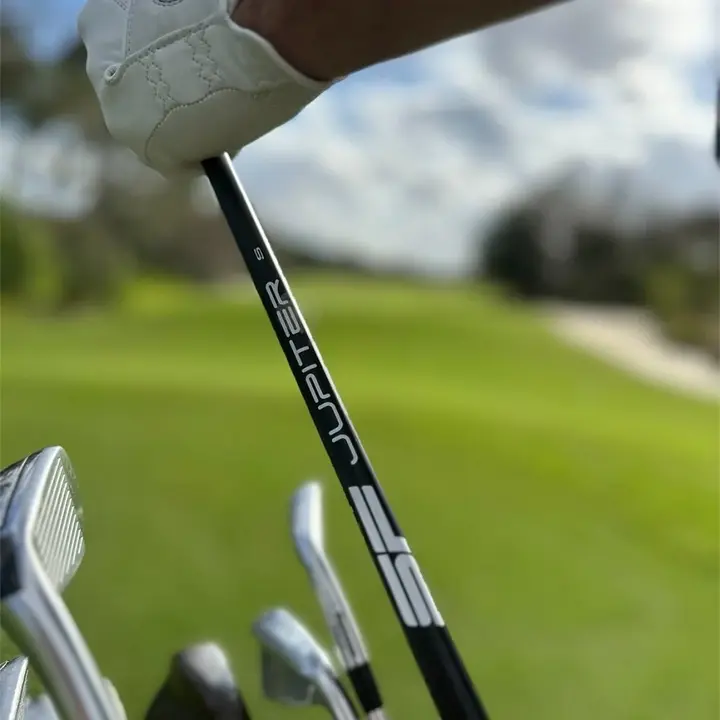
The Biggest Driver Myth in Golf
Most golfers believe that a longer driver shaft automatically creates more distance.
On paper, it sounds logical. A longer shaft can create a wider swing arc, potentially generating more clubhead speed. But here's what many golfers discover after a proper fitting: more shaft length doesn't always equal more yards.
In fact, for many amateur and recreational golfers, a slightly shorter driver shaft can lead to both longer drives and better accuracy.
The reason comes down to one simple factor: center-face contact.
👉 Explore custom golf shafts:
https://steadfastgolf.com/collections/custom-golf-shafts
Distance Comes From Solid Contact, Not Just Swing Speed
Many golfers chase swing speed, believing it's the key to longer drives. While speed certainly matters, strike quality matters even more.
A centered strike produces maximum ball speed and energy transfer. Even a small miss toward the heel or toe can significantly reduce distance and accuracy.
That's where shaft length becomes important.
Longer shafts are naturally more difficult to control. The larger swing arc makes it harder to consistently return the clubface square to the ball at impact. As a result, golfers often experience:
-
More off-center strikes
-
Increased side spin
-
Wider shot dispersion
-
Reduced ball speed
A shorter shaft typically offers greater control and consistency. Golfers often find it easier to maintain their swing plane and return the clubface square at impact, leading to more centered strikes and better overall performance.
Why More Fairways Often Mean More Effective Distance
Distance isn't measured only by what happens off the tee.
A drive that finishes in the rough, trees, or a fairway bunker can cost valuable yardage on the next shot. Meanwhile, drivers that find the fairway often benefit from additional roll and provide easier approach shots.
This creates what many fitters call "effective distance."
Even if a golfer gives up a few yards of maximum carry by moving to a shorter shaft, the increased accuracy often results in:
-
More fairways hit
-
Better lies
-
Easier approach shots
-
Lower scores
For most golfers, consistent drives outperform occasional long bombs every time.
What Real Testing Reveals
Professional club fitters have been seeing the same pattern for years.
In numerous fitting sessions and independent tests, golfers frequently achieve their best combination of distance and accuracy with shorter driver shafts compared to longer alternatives.
Many stock drivers are sold with shaft lengths between 45 and 46 inches. However, experienced fitters often find that golfers perform better with shafts closer to 44–45 inches because they can consistently strike the center of the face.
The result is often:
-
Higher average ball speed
-
Tighter dispersion
-
More fairways hit
-
Better scoring opportunities
Consistency wins over occasional maximum distance.
👉 Explore the Steadfast Shaft Collection
https://steadfastgolf.com/
Shaft Length Is Only Part of the Equation
While shaft length plays a major role, it's only one piece of a properly fitted driver.
Balance Point
Shortening a shaft changes the club's balance and feel. Proper weighting adjustments can help maintain ideal swing timing and consistency.
Flex Profile
A shaft's flex influences how it loads and unloads during the swing. Matching flex to swing speed and tempo helps maximize energy transfer and control.
Torque Rating
Torque measures how much a shaft twists during the swing. Lower torque shafts generally provide greater stability and tighter dispersion, particularly for golfers seeking improved accuracy.
Clubhead Compatibility
The shaft and clubhead must work together as a complete system. Factors such as head weight, center of gravity, and forgiveness characteristics all influence performance.
Individual Swing Characteristics
Every golfer has a unique swing. Tempo, transition, release point, and attack angle all affect which shaft specifications will perform best.
Why Most Golfers Aren't Playing the Right Shaft
The reality is that many golfers use whatever shaft came installed in their driver.
Stock shafts are designed to fit a broad range of players, which means they're optimized for very few individuals.
A properly fitted shaft can help golfers achieve:
-
Better ball speed
-
Improved launch conditions
-
Tighter shot patterns
-
Increased confidence
-
Greater overall consistency
When the shaft matches your swing, the game simply becomes easier.
How Steadfast Golf Shafts Help Maximize Performance
At Steadfast Golf, our focus is simple: create shafts that deliver exceptional stability, consistency, and performance without the premium price tag.
Our Jupiter One and Jupiter Lite carbon fiber driver shafts are engineered with ultra-low torque technology to minimize shaft twisting during the swing.
The benefits include:
-
More center-face contact
-
Reduced side spin
-
Improved shot dispersion
-
Increased consistency off the tee
Golfers switching from standard stock shafts frequently report:
-
Increased carry distance
-
Fewer mishits
-
Better fairway accuracy
-
Improved ball speed and control
Senior golfers especially benefit from the lightweight design and enhanced stability of the Jupiter Lite shaft.
The Bottom Line
The belief that longer driver shafts automatically create more distance is one of golf's biggest equipment myths.
For many golfers, a shorter driver shaft can actually unlock better performance by improving control and increasing center-face contact.
More centered strikes produce higher ball speeds. Higher ball speeds create more distance. Combine that with improved accuracy and more fairways hit, and the result is better golf overall.
If you've never been fitted for a driver shaft or you're still playing the stock shaft that came with your club you could be leaving both distance and consistency on the table.
Sometimes, the smartest way to hit it farther is to go shorter.
Frequently Asked Questions
1. Does a shorter driver shaft really increase distance?
Yes, a shorter shaft can improve center-face contact, which often produces higher ball speed and more consistent distance. Many golfers gain effective distance through better accuracy and ball striking.
2. What is the ideal driver shaft length for most golfers?
Most golfers perform well with a driver shaft between 44 and 45 inches. The ideal length depends on your swing speed, tempo, and ability to control the club.
3. Will a shorter driver shaft improve accuracy?
A shorter shaft is generally easier to control and can help reduce shot dispersion. This often leads to more fairways hit and greater consistency off the tee.
4. Do professional golfers use shorter driver shafts?
Many tour professionals use shorter-than-standard driver shafts to improve control and consistency. Better accuracy often outweighs the small loss in potential clubhead speed.
5. How do I know if my current driver shaft is too long?
Frequent off-center hits, inconsistent ball flight, and difficulty controlling drives may indicate your shaft is too long. A club fitting can help determine the optimal length for your swing.
Explore More Blogs
https://steadastgolf.blogspot.com/2026/05/start-golf-season-strong-why-right-golf.html