Understanding B-Cell Lymphoma: Symptoms, Diagnosis, and Treatment Options
Posted by John Bailey
Filed in Health 577 views
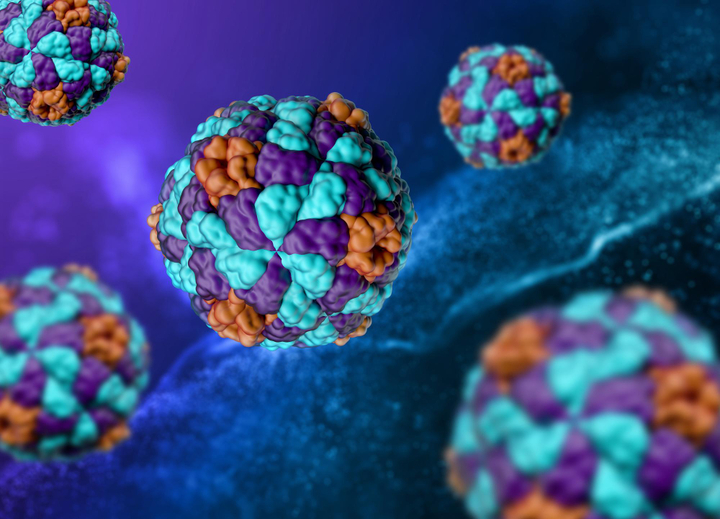
Have you or someone you know recently heard the term B-cell lymphoma and wondered what it really means? Well, you’re not alone. Understanding this condition is the first step toward making informed decisions about your health.
In this blog, we’ll cover what B-cell lymphoma is, the common symptoms to watch for, how it’s diagnosed, and the treatment options available today. Whether you’re just learning about it or seeking ways to support someone affected, this guide will help you feel more confident navigating the journey ahead.
What Is B-Cell Lymphoma?
B-cell lymphoma is a type of cancer that begins in B cells, which are part of your immune system. B cells usually help your body fight infections by producing antibodies, but in lymphoma, they start growing uncontrollably.
Not all lymphomas are the same. B-cell lymphoma is one of the most common forms, and it includes several subtypes, such as diffuse large B-cell lymphoma and mantle cell lymphoma. Each subtype behaves a bit differently, which is why doctors often tailor treatment plans specifically to the type you have.
Understanding the basics can reduce fear and help you recognize early signs. Speaking of which, let’s take a closer look at the symptoms.
Common Symptoms of B-Cell Lymphoma
How Can You Recognize B-Cell Lymphoma Early?
Symptoms can vary, but there are a few that commonly appear. Keep an eye out for:
- Swollen lymph nodes: Often painless, located in the neck, armpits, or groin.
- Fatigue and weakness: Feeling unusually tired without a clear reason.
- Unexplained weight loss: Losing weight without dieting.
- Night sweats: Severe enough to soak your clothes or sheets.
- Fever or frequent infections: Your immune system may struggle to fight off illnesses.
Sometimes the signs are subtle, and you might feel fine despite changes happening inside. That’s why regular check-ups are important, especially if you have risk factors for lymphoma.
Remember, having one or two of these symptoms doesn’t automatically mean you have lymphoma. But noticing them early can make a big difference.
Risk Factors and Causes
Who Is at Risk for B-Cell Lymphoma?
While the exact cause of B-cell lymphoma isn’t fully understood, some factors may increase your risk:
- Age and gender: It’s more common in people over 60 and slightly more in men.
- Family history or genetics: Having relatives with lymphoma may slightly increase risk.
- Weakened immune system: Conditions like HIV or long-term immunosuppressive therapy can play a role.
- Exposure to chemicals or viruses: Certain environmental factors may contribute, though the link isn’t always clear.
It’s important to know that anyone can develop lymphoma, and having one or more risk factors doesn’t guarantee you will.
If you notice symptoms or have risk factors, your doctor may recommend tests to confirm whether lymphoma is present.
How Is B-Cell Lymphoma Diagnosed?
What Tests Help Detect B-Cell Lymphoma?
Diagnosis often requires a combination of tests. Here’s what to expect:
- Physical examination: Your doctor will check for swollen lymph nodes and other signs.
- Blood tests: These can detect abnormal blood counts or markers of disease.
- Imaging scans: CT or PET scans help locate enlarged lymph nodes and assess disease spread.
- Biopsy: A sample of lymph node tissue is examined under a microscope. This is the most definitive way to confirm B-cell lymphoma.
Sometimes it takes more than one test to be sure. It can feel overwhelming, but this thorough approach ensures the treatment plan is accurate.
Early detection is key because it increases the chances of successful treatment. Once the diagnosis is confirmed, your healthcare team will discuss personalized treatment options.
Treatment Options for B-Cell Lymphoma
How Is B-Cell Lymphoma Treated?
Treatment depends on the type and stage of lymphoma, as well as your overall health. Here are the main approaches:
- Chemotherapy: Uses drugs to destroy cancer cells. Often given in cycles to allow your body to recover.
- Immunotherapy: Boosts your immune system to target lymphoma cells.
- Targeted therapy: Focuses on specific proteins or genes in lymphoma cells, limiting damage to healthy cells.
- Radiation therapy: High-energy rays target specific areas with lymphoma.
- Stem cell transplant: In select cases, healthy stem cells replace damaged bone marrow after intensive treatment.
Side effects can vary, from fatigue to nausea or increased risk of infections. However, doctors work with you to manage them and maintain quality of life.
The key is personalized treatment. What works for one person may not be suitable for another, so discussing options with your healthcare team is crucial.
Additionally, clinical trials may offer access to advanced therapies. This can be especially relevant for subtypes like mantle cell lymphoma.
Living With B-Cell Lymphoma
Tips for Managing Life During Treatment
Living with lymphoma can be challenging, but there are ways to support your well-being:
- Maintain a healthy diet: Focus on nutrient-rich foods to boost energy.
- Stay active: Light exercise like walking or yoga can improve mood and strength.
- Rest and manage stress: Sleep and relaxation help your body recover.
- Seek support: Talking with friends, family, or a counselor can help cope with emotional strain.
- Keep track of your care: Note medications, appointments, and side effects to stay organized.
Remember, you are not alone. Being proactive and informed can make the journey smoother and help you participate actively in your care.
Conclusion
B-cell lymphoma is a cancer of the B cells in your immune system. Key signs include swollen lymph nodes, fatigue, weight loss, night sweats, and frequent infections. Diagnosis involves exams, blood tests, imaging, and biopsies, while treatment may include chemotherapy, immunotherapy, targeted therapy, radiation, or stem cell transplants.
Ready to take the next step? Consider joining clinical trials for mantle cell lymphoma to access advanced treatments and support research. Talk with your doctor, ask questions, and stay informed. Because taking action early can make a real difference in your health and treatment journey.