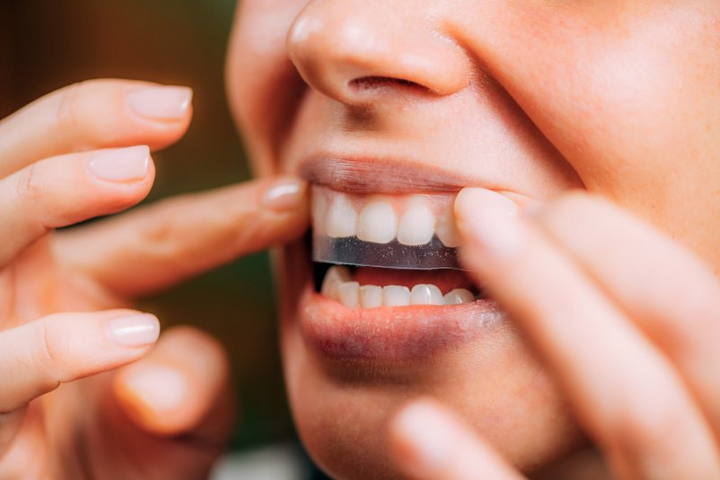
Teeth whitening has become one of the most popular cosmetic dental trends worldwide, and whitening strips are often the go-to option for people seeking a brighter smile at home. However, a common concern remains: do teeth whitening strips damage enamel? With the rising interest in Teeth Whitening Strips in Dubai, many users want to understand whether these products are safe for long-term use or if they may harm the protective outer layer of the teeth.
This article breaks down how whitening strips work, their effects on enamel, potential risks, and how to use them safely while still achieving noticeable results.
Understanding What Teeth Whitening Strips Are
Teeth whitening strips are thin, flexible pieces of plastic coated with a whitening gel, usually containing peroxide-based ingredients such as hydrogen peroxide or carbamide peroxide. These active ingredients work by breaking down stains on the enamel caused by:
- Coffee and tea consumption
- Smoking or tobacco use
- Dark-colored foods and beverages
- Natural aging of teeth
When applied to the teeth, the strips stick to the surface and allow the bleaching agents to penetrate the enamel, lifting stains over time.
What Is Tooth Enamel and Why Is It Important?
To understand whether whitening strips can cause damage, it’s important to know what enamel actually is.
Tooth enamel is the hard, outer protective layer of your teeth. It is the strongest substance in the human body, designed to protect inner layers from decay, temperature sensitivity, and daily wear.
However, enamel is not regenerative. Once it is significantly worn down or damaged, it cannot grow back naturally. This is why any product that interacts with enamel must be used carefully and responsibly.
Do Whitening Strips Actually Damage Enamel?
The short answer is: when used correctly, whitening strips do not permanently damage enamel.
Most research suggests that peroxide-based whitening products are safe for enamel when used according to instructions. They do not “eat away” or physically erode enamel. Instead, they chemically break down stains on and within the enamel surface.
However, problems can arise when whitening strips are:
- Used too frequently
- Left on longer than recommended
- Applied to already sensitive or damaged teeth
- Combined with other abrasive whitening methods
In such cases, temporary side effects may occur, which can feel like enamel damage but are usually reversible.
Possible Side Effects of Whitening Strips
While enamel erosion is uncommon with proper use, whitening strips can cause temporary sensitivity or discomfort in some users. These effects may include:
1. Tooth Sensitivity
One of the most common side effects is increased sensitivity to hot or cold foods and drinks. This happens because whitening agents temporarily expose microscopic channels in the enamel.
2. Gum Irritation
If the whitening gel comes into contact with the gums, it may cause mild irritation or redness. This is usually temporary and resolves once use is stopped or adjusted.
3. Uneven Whitening
If strips are not applied properly, teeth may appear unevenly whitened, especially around edges or crowded teeth.
4. Temporary Dehydration of Teeth
Whitening agents can temporarily dehydrate the teeth, making them appear slightly dull or chalky immediately after use. This effect usually fades within a few days.
Are Whitening Strips Safe for Long-Term Use?
When used occasionally and as directed, whitening strips are generally considered safe for maintaining a brighter smile. The key is moderation.
For users exploring Teeth Whitening Strips in Dubai, it is important to understand that most modern products are formulated to minimize enamel impact while still delivering visible results.
Dentists often recommend:
- Following the exact application time
- Avoiding daily continuous use beyond the recommended cycle
- Taking breaks between whitening sessions
- Maintaining good oral hygiene alongside whitening
Factors That Influence Enamel Safety
Not everyone experiences whitening strips the same way. Several factors can influence how your enamel responds:
1. Strength of Whitening Formula
Strips with higher peroxide concentration may work faster but can also increase sensitivity if overused.
2. Frequency of Use
Overuse is one of the main reasons people experience discomfort. Occasional use is much safer than repeated, prolonged application.
3. Existing Dental Condition
People with thin enamel, cavities, or gum issues may be more prone to sensitivity.
4. Oral Hygiene Habits
Healthy brushing and flossing habits help protect enamel and improve whitening results.
How to Use Whitening Strips Safely
To reduce risks and protect enamel while achieving a brighter smile, follow these safety tips:
- Do not exceed the recommended wear time
- Avoid using more than one whitening cycle at a time
- Brush gently with a soft-bristled toothbrush
- Wait at least 30 minutes after use before eating or drinking
- Avoid acidic foods and drinks during whitening periods
- Use a toothpaste designed for sensitive teeth if needed
These small precautions can significantly reduce sensitivity and help maintain enamel health.
Myths About Whitening Strips and Enamel Damage
There are many misconceptions surrounding whitening strips. Let’s clarify a few:
Myth 1: Whitening strips permanently destroy enamel
False. When used correctly, they do not remove or weaken enamel structure.
Myth 2: Whitening means teeth are being “bleached raw”
Not true. Whitening agents only break down stains, not the tooth itself.
Myth 3: Sensitivity means enamel is damaged
Not necessarily. Sensitivity is usually temporary and does not indicate permanent damage.
Are Whitening Strips Worth It?
For many people, whitening strips are an effective and convenient way to improve the appearance of teeth without professional procedures. The results are gradual but noticeable, especially for surface-level stains.
When used responsibly, they offer a balance between effectiveness and safety. The key is to understand your own dental sensitivity and choose a product that suits your needs.
Final Thoughts
So, do teeth whitening strips damage enamel? The evidence suggests that they do not cause permanent enamel damage when used properly. Most side effects, such as sensitivity or mild irritation, are temporary and manageable.
For individuals considering Teeth Whitening Strips in Dubai, the most important factor is responsible usage. By following instructions, avoiding overuse, and maintaining good oral care habits, you can safely enjoy a brighter smile without compromising enamel health.
Whitening strips are not a threat to enamel when respected as a cosmetic enhancement tool rather than a daily necessity.