6 Ways Luxury Vinyl Plank Adds Style and Strength to Your Home
Posted by Muhammad Husnain
Filed in Family & Home 169 views
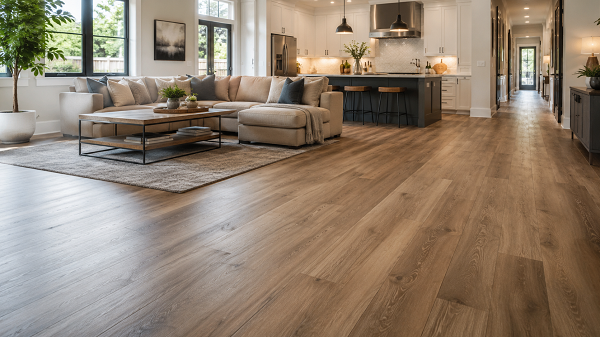
When I want flooring that looks stylish but can also handle daily life, luxury vinyl planks often stand out. It gives a room the warm appearance of natural wood without demanding the same level of care. That is why I see products from Sam’s Flooring as a practical option for busy homes across the United States.
Also, modern waterproof LVP flooring options can work in places where natural wood may struggle. Kitchens, entryways, family rooms, basements, and laundry spaces often face spills, dirt, and heavy foot traffic. However, quality LVP can manage these daily challenges while keeping a clean and attractive appearance.
In this guide, I will cover its layered design, water protection, durability, comfort, simple care, and long-term value. As a result, you can decide whether it matches your rooms and daily needs.
Luxury vinyl plank, commonly called LVP, has changed greatly over the years. Older vinyl flooring often looked flat and artificial. In contrast, today’s planks can copy the colors, grain patterns, textures, and natural details found in hardwood and stone.
However, appearance is only part of the story. LVP also uses several layers to create a floor that feels stable and resists common household damage. Therefore, it offers a useful balance between design and performance.
Key Takeaways
-
Luxury vinyl plank combines realistic wood or stone designs with a strong layered structure.
-
Waterproof LVP can suit kitchens, basements, bathrooms, entryways, and other moisture-prone rooms.
-
Simple cleaning, flexible installation, and lasting durability can make LVP a practical long-term choice.
Understanding How Luxury Vinyl Plank Gets Its Strength
Before I discuss its main benefits, I think it helps to understand how LVP is made. A quality luxury vinyl plank usually contains several layers. Each one has a different job.
Because these layers work together, the finished floor can resist water, scratches, stains, dents, and daily wear better than many basic flooring products.
|
LVP layer |
Main purpose |
|
Backing layer |
Supports the plank and may add comfort or sound control |
|
Core layer |
Gives the plank structure, strength, and water resistance |
|
Design layer |
Creates the wood, stone, or tile appearance |
|
Wear layer |
Protects the design from scratches, stains, and fading |
|
Protective finish |
Adds another barrier against dirt and daily wear |
Some products use a wood plastic composite core, often called WPC. These floors can feel slightly softer underfoot. Meanwhile, other products use a stone plastic composite core, known as SPC. SPC usually feels firmer and more rigid.
Therefore, I do not judge LVP by color alone. I also look at the core, wear layer, total thickness, and recommended use. A beautiful floor still needs the right construction for the room.
1. LVP Creates the Look of Natural Wood Without the Extra Work
One of the biggest style benefits of luxury vinyl plank is its realistic appearance. I can choose designs that look like oak, maple, walnut, pine, hickory, or other natural wood species.
Moreover, modern printing methods can copy small details such as:
-
Wood grain lines
-
Knots and natural marks
-
Light and dark color changes
-
Hand-scraped textures
-
Weathered finishes
-
Wide-plank patterns
Because of these details, LVP can fit many interior styles. For example, light oak shades can make a small room feel more open. Meanwhile, warm brown planks can add a cozy feeling to a living room or bedroom.
Dark wood-look flooring can create a more formal appearance. However, gray and neutral tones often work well in modern homes. Therefore, I can match the floor with cabinets, walls, furniture, and trim without being limited to one design direction.
Natural wood also changes in color and grain from plank to plank. Quality LVP copies this variety through different printed patterns. As a result, the floor can look more natural and less repetitive.
At the same time, I do not need to sand, stain, or refinish LVP like hardwood. Therefore, I can enjoy a wood-inspired appearance without taking on the same maintenance work.
2. A Strong Wear Layer Protects the Floor From Daily Damage
A beautiful floor needs to stay attractive after people start using the room. Fortunately, the wear layer on luxury vinyl plank helps protect the printed design underneath it.
The wear layer acts like a clear shield. It can help resist scratches, light dents, stains, and surface wear. Therefore, it matters greatly in homes with children, pets, guests, or heavy furniture.
Wear layers are often measured in miles. One mil equals one-thousandth of an inch. However, a higher mil number does not simply mean a thicker plank. It specifically describes the protective wear layer.
For quieter rooms, such as guest bedrooms, a lighter residential wear layer may work well. In contrast, busy kitchens, hallways, rental homes, offices, and shops may need a stronger option.
I usually consider several factors when comparing wear layers:
-
How many people use the room
-
Whether pets live in the home
-
How often furniture moves
-
Whether shoes will be worn indoors
-
How much dirt enters the space
-
Whether the room has rolling chairs
For example, an entryway receives dirt, small stones, and repeated foot traffic. Therefore, it needs stronger surface protection than a low-use bedroom.
Still, no flooring is completely scratch-proof. I use mats near exterior doors, pads under furniture, and soft attachments on vacuum cleaners. These small steps help the wear layer perform better for longer.
3. Waterproof LVP Adds Strength in Moisture-Prone Rooms
Water can quickly damage many traditional flooring materials. Hardwood may swell, warp, or stain when moisture reaches it. Laminate may also develop raised edges if water enters the joints.
However, waterproof luxury vinyl planks use materials that do not absorb water in the same way. Because of this, it can work well in rooms where splashes and spills happen often.
I often consider waterproof LVP for:
-
Kitchens
-
Bathrooms
-
Laundry rooms
-
Mudrooms
-
Finished basements
-
Entryways
-
Dining spaces
For example, a dropped glass of water in the kitchen may not create the same level of worry that it would on natural wood. I can simply clean the spill without rushing to protect a sensitive wood surface.
Still, I pay attention to the difference between waterproof flooring and a waterproof room. Waterproof planks can resist moisture damage. However, water may still pass through gaps near walls, doors, or damaged seams.
Therefore, I always clean standing water quickly. I also make sure the subfloor stays dry and sound. If a pipe leaks or a basement floods, the water can still affect walls, adhesives, underlayment, and the floor underneath.
In other words, waterproof LVP adds valuable protection, but it does not replace proper moisture control.
4. LVP Handles Busy Family Life With Less Maintenance
Many homeowners want attractive flooring but do not want a long cleaning routine. Fortunately, LVP usually needs simple care.
I can remove loose dirt with a soft broom, dust mop, or vacuum. Then, I can clean the surface with a damp mop and a cleaner approved for vinyl flooring.
In most cases, I do not need wax, polish, sanding, or refinishing. Therefore, the floor can stay presentable without expensive treatment.
A simple cleaning routine may include:
-
Sweep or vacuum loose dirt regularly.
-
Wipe spills as soon as possible.
-
Use a damp mop for deeper cleaning.
-
Avoid rough scrubbers and harsh chemicals.
-
Place floor-safe pads under furniture.
-
Use entrance mats to reduce tracked-in dirt.
This easier care can help households throughout the United States save time. Instead of planning special maintenance, I can focus on basic cleaning and quick spill removal.
However, I avoid soaking the floor with large amounts of water. I also avoid steam mops unless the flooring manufacturer clearly allows them. High heat and moisture can affect joints, adhesives, and surface finishes.
Additionally, I avoid dragging heavy furniture across the floor. Even a strong wear layer can scratch under sharp or heavy objects. Therefore, I lift furniture or use suitable floor sliders.
5. Luxury Vinyl Plank Can Make Rooms Feel More Comfortable
Flooring does not only affect how a room looks. It also changes how the room feels and sounds.
Natural stone and ceramic tile often feel hard and cold. Hardwood can feel warmer, but it may create more sound when people walk across it. In contrast, some LVP products offer a slightly softer and quieter surface.
WPC flooring, in particular, may provide more cushioning than a dense SPC plank. Also, some LVP products include an attached backing that helps with comfort and sound control.
This extra support can make a difference in rooms where people stand for long periods. For example, a softer floor can feel more comfortable in a kitchen, home office, playroom, or family room.
Moreover, attached backing may reduce some footstep noise. That feature can help in:
-
Upstairs rooms
-
Apartments
-
Home offices
-
Children’s rooms
-
Shared living spaces
-
Quiet commercial areas
However, comfort varies by product. Therefore, I review the core type, total thickness, attached pad, and installation method.
When I compare products at the best LVP flooring Store, I would not choose a plank based only on the sample color. I would also check how it feels, how rigid it is, and whether it suits the room.
6. Flexible Installation Can Reduce Project Time and Cost
Luxury vinyl planks come in several installation styles. Therefore, I can select a method that matches the room, subfloor, budget, and project size.
The most common options include:
Click-Lock LVP
Click-lock planks connect along their edges and float over the subfloor. This system can suit many home projects because it does not require adhesive across the entire floor.
Also, some homeowners choose it for do-it-yourself installation. However, the subfloor still needs to be clean, dry, and level.
Glue Down LVP
Glue down planks attach directly to the subfloor with flooring adhesive. This method creates a firm and stable surface.
Therefore, it often works well in larger spaces, offices, retail areas, rental units, and rooms with rolling furniture.
Loose Lay Vinyl Plank
Some thicker vinyl planks use a heavy backing and friction to stay in place. Installers may use adhesive around the edges or in high-traffic areas.
However, not every room suits loose lay flooring. Therefore, I follow the product instructions closely.
Why Subfloor Preparation Still Matters
LVP can go over several surfaces, including concrete, plywood, and some existing hard floors. However, that does not mean I can place it over an uneven or damaged base.
Small bumps, cracks, dips, and loose material may show through the finished floor. As a result, the planks may not sit correctly.
Before installation, I check that the subfloor is:
-
Clean
-
Dry
-
Smooth
-
Level
-
Structurally sound
-
Free from loose material
Proper preparation may take extra time. However, it helps prevent movement, visible bumps, broken joints, and poor adhesive performance.
How LVP Can Offer Better Long-Term Value
Luxury vinyl planks can cost less than many natural flooring materials. However, the total value includes more than the purchase price.
For example, hardwood may require refinishing, special cleaners, moisture control, and regular attention. Stone may need sealing and can feel costly to repair. Tile can last a long time, but cracked pieces and stained grout may create extra work.
In contrast, LVP combines a lower-maintenance surface with a wide range of designs. Therefore, I can achieve a wood or stone appearance without paying for the same upkeep.
The final cost still depends on:
-
Product quality
-
Wear layer thickness
-
Core construction
-
Room size
-
Subfloor repairs
-
Installation method
-
Trim and transition pieces
-
Old flooring removal
-
Professional labor
Because of this, I compare the full project cost rather than the plank price alone.
A very cheap product may have a thin wear layer, weak locking system, or limited warranty. Therefore, the lowest price may not provide the best long-term value.
How I Choose the Right LVP for Each Room
Not every luxury vinyl plank works equally well in every space. Therefore, I match the flooring to the room’s needs.
For a kitchen, I focus on water protection, simple cleaning, and a strong wear layer. Meanwhile, for a bedroom, comfort and appearance may matter more than commercial-level durability.
For a busy hallway, I look for strong scratch resistance. However, for a basement, I pay close attention to moisture conditions and subfloor preparation.
I also consider:
-
Plank width and length
-
Wood grain pattern
-
Surface texture
-
Core type
-
Wear layer
-
Attached underlayment
-
Installation system
-
Product warranty
-
Manufacturer instructions
Moreover, I take flooring samples into the room before making a final choice. Lighting can change how colors look. A plank that appears warm in a showroom may look cooler under home lighting.
Therefore, I compare samples during the day and at night. I also place them near cabinets, wall colors, furniture, and trim.
Common Mistakes I Avoid When Buying LVP
Luxury vinyl planks can perform well, but the wrong product or poor preparation can lead to problems.
First, I avoid choosing flooring by appearance alone. A stylish pattern may not have the right wear layer or core for a busy space.
Second, I do not assume every LVP product is fully waterproof. I read the specifications and warranty instead of relying only on packaging terms.
Third, I do not ignore the subfloor. Even the strongest planks may fail when installed over moisture, movement, or uneven areas.
In addition, I avoid buying only the exact room measurement. Cuts, damaged pieces, and pattern planning create waste. Therefore, most projects need extra material.
Finally, I keep several spare planks after installation. If one plank becomes damaged later, a matching replacement may be difficult to find.
Final Thoughts
Luxury vinyl plank can add both style and strength to a home. It offers realistic wood and stone designs, yet it also handles moisture, scratches, stains, and daily foot traffic.
Moreover, its layered construction helps create a stable and comfortable floor. Simple cleaning and flexible installation can make it even more practical.
For homeowners across the United States, LVP can work in kitchens, living rooms, entryways, bedrooms, basements, and many other spaces.
In the end, I get the best result when I look beyond color. I compare the wear layer, core type, water protection, installation method, and room conditions.
When the right product meets proper preparation, luxury vinyl plank can create a floor that looks attractive and supports daily life for years.