AI powered CRM for small businesses complete practical guide
Posted by LEADSORBIT LLC
Filed in Technology 469 views
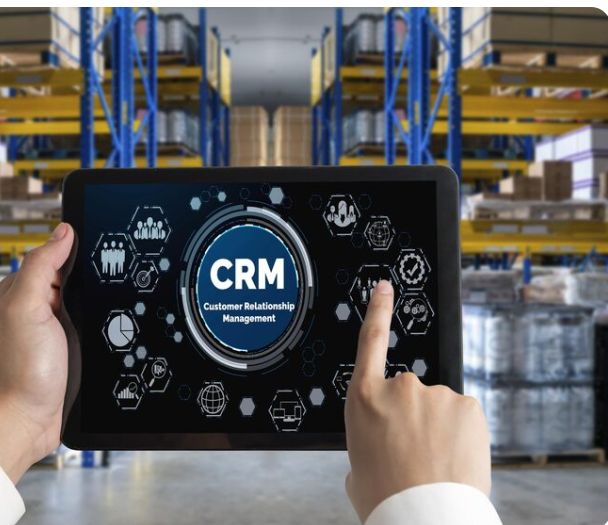
AI powered CRM for small businesses: a complete practical guide
Many small businesses believe that growth problems come from a lack of leads. In practice, the issue is often poor lead management and inconsistent follow up. Conversations get lost, customer data remains scattered, and decisions rely on assumptions. An AI powered CRM for small businesses addresses these gaps by bringing structure and intelligence into daily operations.
Instead of functioning as a static database, an AI CRM actively supports decision making. It helps small teams manage the customer lifecycle, automate repetitive work, and respond to opportunities with better timing and context.
What is an AI powered CRM for small businesses
An AI powered CRM for small businesses is a system that uses artificial intelligence to organize customer data, automate workflows, and deliver insights across the customer lifecycle. It helps businesses manage leads, track interactions, and improve decision making while reducing manual effort and operational complexity.
Why small businesses need AI CRM today
Small teams often operate under tight resource constraints. Every missed follow up or delayed response can affect revenue and customer trust. Traditional CRM systems require consistent manual input, which creates gaps when teams are busy.
AI powered CRM solutions for small businesses reduce these risks by:
-
Automating routine data entry and updates
-
Prioritizing leads based on behavior and engagement
-
Providing visibility into the sales pipeline
-
Supporting consistent communication across channels
This allows businesses to maintain control without increasing workload.
How AI CRM improves the customer lifecycle

The customer lifecycle includes every interaction from initial awareness to long term retention. AI CRM strengthens each stage by connecting data and guiding actions.
Lead capture and qualification
AI systems gather leads from multiple sources and analyze engagement patterns. This helps identify which prospects are more likely to convert.
For example, a small service provider can focus on inquiries that show higher intent, rather than treating all leads equally. This improves efficiency and reduces wasted effort.
Sales process clarity
AI CRM tools provide insights into deal progress and suggest next steps. This creates a more structured sales process.
Key benefits include:
-
Clear visibility into pipeline stages
-
Identification of stalled opportunities
-
Recommendations for timely follow ups
These insights reduce uncertainty and support better outcomes.
Customer retention and engagement
Retention depends on understanding customer behavior over time. AI CRM analyzes past interactions and suggests when to re engage.
A small retail business, for instance, can reconnect with customers who have not purchased recently using personalized communication. This improves long term relationships.
The role of CRM automation in everyday work
CRM automation is essential for reducing manual effort and maintaining consistency. It ensures that important tasks are completed without relying on memory or manual tracking.
Typical automation features include:
-
Automatic contact updates
-
Scheduled follow ups and reminders
-
Activity based pipeline changes
-
Centralized communication tracking
By handling repetitive tasks, automation allows teams to focus on meaningful interactions.
Direct answer: how AI powered CRM helps small businesses
AI powered CRM helps small businesses by automating repetitive tasks, improving lead prioritization, and providing data driven insights across the customer lifecycle. It enables better decisions, ensures consistent communication, and reduces operational pressure without requiring additional staff or complex systems.
AI powered CRM for small businesses across industries
AI CRM is not limited to a single type of business. Its adaptability makes it valuable across industries, each with its own use cases.
Retail and online commerce
Retail businesses use AI CRM to understand buying behavior and improve repeat engagement. Insights from previous purchases help create more relevant interactions.
Service based industries
Service providers depend on timely communication. AI CRM supports scheduling, follow ups, and client tracking, ensuring no opportunity is overlooked.
Education and training
In education, managing inquiries and engagement is critical. AI powered CRM solutions help organize communication and improve response times without increasing administrative work.
Real estate and property services
Real estate professionals benefit from identifying serious buyers and tracking interest levels. AI CRM supports this by analyzing engagement and automating communication.
Common challenges and misconceptions
While AI CRM offers clear advantages, some businesses hesitate due to misunderstandings.
It feels too complex
Many assume AI systems require advanced technical knowledge. In reality, most solutions are designed for ease of use, with simple interfaces and guided workflows.
It replaces human interaction
AI does not replace relationships. It enhances them by providing context and improving timing, which leads to more meaningful communication.
It only works for large companies
AI powered CRM for small businesses is specifically designed to support smaller teams. It often delivers greater value in these environments because it reduces manual workload significantly.
Real world example of AI CRM in use
Consider a small marketing agency handling multiple clients. Before using AI CRM, the team tracks leads manually and struggles to maintain consistent follow ups.
After adopting an AI powered CRM:
-
Leads are scored automatically based on engagement
-
Follow ups are scheduled without manual input
-
Client interactions are recorded in one place
-
Insights reveal performance trends over time
The agency gains better visibility and improves its ability to manage relationships effectively.
Choosing the right AI CRM solutions for small businesses
Selecting the right solution requires understanding operational needs rather than focusing only on features.
Important considerations include:
-
Ease of use for everyday tasks
-
Compatibility with existing tools
-
Relevant automation capabilities
-
Flexibility to support growth
The goal is to implement a system that simplifies processes while supporting long term scalability.
Frequently asked questions
What is the main benefit of AI powered CRM for small businesses
The main benefit is improved efficiency. AI powered CRM reduces manual work, organizes customer data, and provides insights that support better decision making across the customer lifecycle. This allows small businesses to manage relationships more effectively with limited resources.
How does AI CRM improve lead management
AI CRM analyzes lead behavior and engagement to determine priority. This helps businesses focus on prospects with higher potential, improving conversion rates and reducing time spent on low value opportunities.
Is AI CRM difficult to implement
Most AI powered CRM solutions for small businesses are designed to be user friendly. They offer simple interfaces and guided setup processes, making it possible to adopt the system without technical expertise or extensive training.
Can AI CRM work across different industries
AI powered CRM for small businesses across industries adapts to different needs. Whether in retail, services, education, or real estate, it helps manage customer interactions, automate processes, and improve decision making.
Does CRM automation replace human roles
CRM automation handles repetitive tasks such as data entry and reminders. It does not replace human roles but supports them by freeing up time for more strategic and relationship focused work.
How does AI CRM support customer retention
AI CRM tracks customer behavior and interaction history. It identifies patterns and suggests the right time to engage, helping businesses maintain relationships and reduce the risk of losing customers over time.
How long does it take to see results
Initial improvements in organization and workflow efficiency can be seen quickly. However, deeper insights and stronger outcomes develop over time as the system gathers and analyzes more data.
Conclusion
An AI powered CRM for small businesses provides a structured and intelligent approach to managing relationships. By combining CRM automation with data driven insights, it improves how businesses handle leads, communication, and long term engagement.
The real advantage lies in consistency and clarity. Small businesses can move away from reactive processes and build a more reliable system for managing the customer lifecycle. Across industries, this leads to better decisions, stronger relationships, and sustainable growth without increasing complexity.