Can Aligners Correct Bite Issues?
A healthy smile is not only about straight teeth but also about how the upper and lower teeth fit together when you bite. This alignment, known as your bite, plays an important role in chewing, speaking, and overall oral health. When the bite is not properly aligned, it can lead to discomfort, uneven tooth wear, and even jaw problems over time.
With advancements in orthodontic care, many people are now exploring modern solutions such as Teeth Aligners in Islamabad to correct bite-related concerns. Clear aligners are widely known for straightening teeth, but many patients are surprised to learn that they can also help improve certain bite issues.
Understanding how aligners work and what types of bite problems they can address is important for anyone considering orthodontic treatment.
Understanding Bite Issues
A bite issue occurs when the upper and lower teeth do not meet correctly. This misalignment can affect both appearance and function.
Common bite problems include:
- Overbite (upper teeth extend too far over lower teeth)
- Underbite (lower teeth extend beyond upper teeth)
- Crossbite (upper and lower teeth do not align properly on one or both sides)
- Open bite (front teeth do not touch when back teeth are closed)
These conditions can range from mild to severe and may impact daily activities such as chewing and speaking.
How Aligners Work for Bite Correction
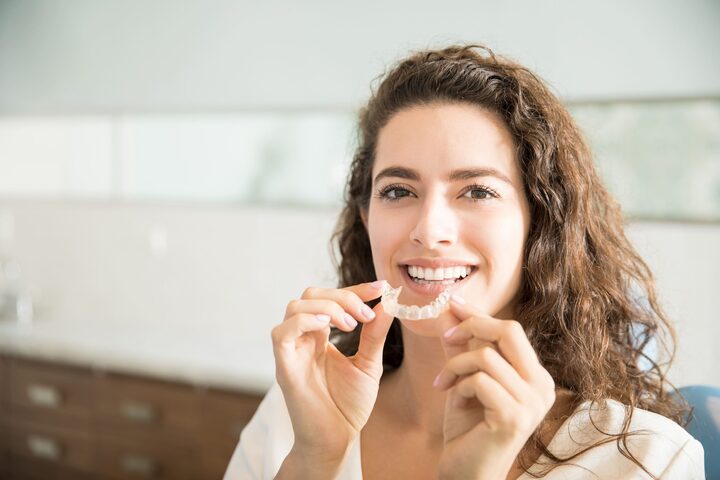
Aligners are custom-made transparent trays designed to gradually move teeth into better positions. They apply controlled pressure to specific teeth, guiding them into alignment over time.
When it comes to bite correction, aligners do more than just straighten teeth. They also influence how the upper and lower teeth relate to each other.
Through a carefully planned treatment sequence, aligners can adjust tooth positions to improve the overall bite relationship. Each set of aligners builds on the previous one, gradually creating a more balanced and functional bite.
Overbite Correction with Aligners
An overbite occurs when the upper front teeth significantly overlap the lower front teeth.
In mild to moderate cases, aligners can help reduce the excessive overlap by repositioning both upper and lower teeth. Over time, this can create a more balanced bite and improve smile aesthetics.
Correcting an overbite can also help reduce:
- Excessive tooth wear
- Jaw strain
- Gum irritation behind upper teeth
Many patients experience noticeable improvements in both function and appearance during treatment.
Underbite Improvement
An underbite occurs when the lower teeth extend beyond the upper teeth.
Mild underbites can sometimes be improved with aligners by gradually shifting teeth into a more balanced position. However, more severe cases may require additional orthodontic or surgical intervention.
Aligners work best when the underbite is related to tooth positioning rather than jaw structure alone.
By improving alignment, patients may notice better chewing ability and improved facial balance.
Crossbite Correction
A crossbite happens when some upper teeth sit inside the lower teeth instead of outside.
This misalignment can affect one or multiple teeth and may lead to uneven wear over time.
Aligners can be effective in correcting mild to moderate crossbites by gradually repositioning affected teeth. This helps restore proper alignment between the upper and lower arches.
Correcting a crossbite can also help improve bite stability and prevent long-term dental complications.
Open Bite Treatment
An open bite occurs when the upper and lower front teeth do not touch when the mouth is closed.
This condition can make biting and chewing certain foods difficult. It may also affect speech in some cases.
Aligners can help close mild open bites by guiding teeth into better vertical alignment. This improves contact between upper and lower teeth, enhancing both function and appearance.
Limitations of Aligners in Bite Correction
While aligners are effective for many bite issues, they do have limitations.
Severe skeletal bite problems, especially those related to jaw structure, may require additional treatment beyond aligners alone. In such cases, orthodontists may recommend braces or surgical options for best results.
Aligners are most effective for:
- Mild to moderate bite problems
- Tooth-related misalignments
- Combined alignment and spacing issues
A professional evaluation is necessary to determine suitability.
Importance of Digital Treatment Planning
One of the reasons aligners are effective for bite correction is advanced digital planning.
Before treatment begins, a detailed 3D scan of the teeth is taken. This allows dental professionals to design a step-by-step plan for how the bite will improve over time.
Patients may even see a digital preview of their expected results, helping them understand how their bite will change during treatment.
This precision contributes to more predictable and controlled outcomes.
Benefits of Correcting Bite Issues
Improving bite alignment offers both functional and aesthetic benefits.
Some key advantages include:
- Better chewing efficiency
- Reduced tooth wear
- Improved speech clarity
- Enhanced facial balance
- Decreased jaw discomfort in some cases
A properly aligned bite supports long-term oral health and helps prevent future dental problems.
Patient Responsibility During Treatment
Aligner success depends heavily on patient cooperation.
To achieve effective bite correction, patients must wear aligners for approximately 20 to 22 hours per day. Consistent wear ensures steady tooth movement and proper bite adjustment.
Failing to follow instructions can slow progress and affect treatment results.
Regular dental checkups are also important for monitoring bite changes and ensuring everything is progressing correctly.
Are Aligners Right for Your Bite Issue?
Not all bite problems can be treated with aligners alone. The suitability depends on the severity and type of misalignment.
Aligners are often a good option for patients with:
- Mild overbite or underbite
- Minor crossbite
- Slight open bite
- Combined alignment and spacing issues
A dental professional can evaluate your condition and recommend the most appropriate treatment plan.
For many patients, Teeth Aligners in Islamabad offer a comfortable and effective way to improve bite alignment without traditional braces.
Conclusion
So, can aligners correct bite issues? In many cases, yes. Clear aligners are capable of addressing a range of mild to moderate bite problems, including overbites, underbites, crossbites, and open bites.
With advanced digital planning and consistent wear, Teeth Aligners in Islamabad can help improve both the function and appearance of your bite. While severe cases may require additional treatment, aligners remain a popular and effective choice for patients seeking a discreet, comfortable, and modern orthodontic solution.
By gradually guiding teeth into better alignment, aligners contribute to healthier bites, improved oral function, and more confident smiles.