Is Xsr155 the Retro Bike Indian Riders Are Waiting For
Posted by Megha Ghai
Filed in Business 14 views
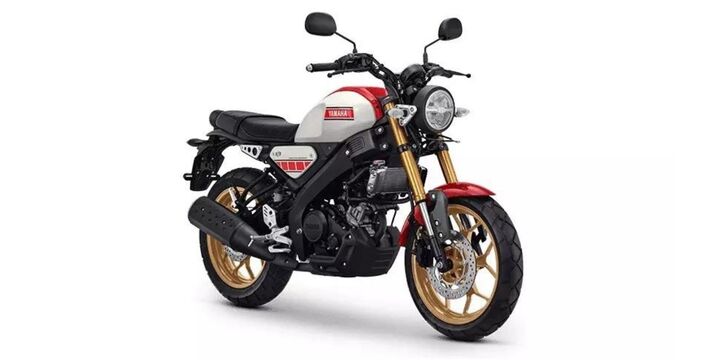
For years, the XSR155 was discussed in India as a motorcycle enthusiasts hoped Yamaha would eventually introduce. By 2026, that waiting period is over. Yamaha India officially lists the model in its current motorcycle range and e-shop, which changes the meaning of the original question.
The motorcycle is still relevant to that search intent because the reason riders waited for it remains intact: retro styling combined with serious modern engineering. The Yamaha XSR155 specifications show that this is not a simple commuter wearing a round headlamp. It uses a liquid-cooled VVA engine, six-speed gearbox, Deltabox frame, traction control and dual-channel ABS.
The XSR155 Looks Retro Without Feeling Old
The motorcycle uses a round LED headlamp, tuck-and-roll style seat and simple bodywork inspired by Yamaha’s heritage. The fuel tank shape and exposed mechanical elements give it a classic roadster feel.
However, the proportions remain compact and athletic. It does not attempt to imitate a heavy vintage motorcycle.
Yamaha XSR155 Specifications Show Its Modern Engineering
The engine is a 155cc liquid-cooled, four-stroke, SOHC four-valve unit producing 18.4 PS at 10,000 rpm and 14.2 Nm at 7,500 rpm. It uses fuel injection and Variable Valve Actuation.
Power is transmitted through a six-speed constant-mesh gearbox with a wet multi-disc clutch. These figures place the XSR among the more performance-oriented motorcycles in its displacement class.
Variable Valve Actuation Broadens the Power Band
VVA allows the engine to change valve operation according to revs, helping it maintain usable low- and mid-range response while continuing to produce power at higher rpm.
This gives the XSR a more flexible character than a basic low-revving commuter engine.
The Deltabox Frame Adds Performance Credibility
Yamaha uses its Deltabox frame architecture on the XSR155. The structure is designed to provide rigidity and predictable handling.
For riders who enjoy corners, this is one of the strongest arguments for the motorcycle. The retro styling does not come at the cost of a deliberately soft or vague chassis.
Dual-Channel ABS Strengthens the Safety Package
The India-specification brochure lists hydraulic disc brakes at both ends with dual-channel ABS. This provides anti-lock support for both wheels during hard braking.
That is a meaningful advantage for a motorcycle with nearly 18.4 PS and a lightweight chassis.
Traction Control Adds Another Electronic Layer
Yamaha also equips the XSR155 with traction control. The system can reduce rear-wheel spin when grip is limited on wet or loose surfaces.
Electronic rider aids are still not universal in the 150cc class, which helps the XSR feel more premium.
The Motorcycle Weighs Only Around 137 kg
Kerb weight is approximately 137 kg, including oil and fuel. This is one of the reasons the XSR should feel approachable despite its performance.
A light motorcycle is easier to move through traffic, change direction and manoeuvre in tight parking areas.
Seat Height Is Higher Than Some Commuters
The official specification lists seat height at 810 mm. Shorter riders should therefore test the motorcycle carefully before booking.
The light kerb mass helps, but confident footing remains important for riders who spend a lot of time in stop-and-go traffic.
The 10-Litre Tank Keeps the Design Compact
Fuel capacity is 10 litres. This supports the slim proportions but is smaller than the tanks fitted to many larger roadsters.
For urban use, the capacity should be sufficient, while frequent long-distance riders may need to plan fuel stops more carefully.
Y-Connect Brings Smartphone Connectivity
The XSR includes Yamaha’s Y-Connect smartphone connectivity. The round digital instrument panel combines retro form with modern information delivery.
This suits the motorcycle’s broader design philosophy: traditional visual cues supported by contemporary electronics.
Why It Appeals More Than a Conventional Retro Bike
Many retro motorcycles are heavier and tuned for relaxed low-rpm performance. The XSR155 is different because it uses a high-revving engine and lightweight performance chassis.
That makes it especially appealing to younger riders who like classic styling but do not want to give up agility.
Who Should Consider the XSR155?
It is ideal for riders who want one motorcycle for city commuting and weekend fun. It offers more performance than a basic 150cc commuter but a more relaxed visual style than a fully faired sport bike.
Riders prioritising the lowest possible fuel cost may prefer simpler air-cooled alternatives.
Is the XSR155 the Retro Bike Indian Riders Were Waiting For?
For many enthusiasts, yes. The important difference in 2026 is that the bike is no longer theoretical. Yamaha India officially offers it, with a confirmed India specification.
The combination of 18.4 PS, six-speed gearing, VVA, traction control, dual-channel ABS and a Deltabox frame gives the XSR real mechanical depth. Its retro styling is therefore supported by engineering that makes it relevant well beyond appearance.
How the XSR155 Differs from Conventional Retro Motorcycles
The biggest distinction is weight and engine character. Traditional retro roadsters often rely on larger-capacity engines tuned for low-rpm torque and can weigh well above 170 kg. The XSR155 takes the opposite approach: it is light, compact and designed to reward revs. This makes it easier to manage in dense city traffic while still offering an engaging engine on open roads.
That difference also changes the type of rider it suits. Someone who wants a slow-paced, heavy classic may find other motorcycles more authentic, while a rider who wants retro aesthetics with modern agility is much more likely to appreciate the Yamaha.
What Indian Buyers Should Verify Before Booking
Even with the motorcycle officially listed, city-level stock and delivery timelines can vary. Yamaha’s e-shop notes that booking is subject to availability. Buyers should confirm the exact ex-showroom price, colour availability, insurance cost and estimated delivery date with an authorised dealership.
They should also test the 810 mm seat height and check local service access. A specification sheet can confirm dimensions, but only a test ride reveals whether the rider is comfortable with the foot reach and suspension setup.