Scrap Metal Recycling: Building a More Efficient Approach to Industrial Waste Management
Posted by Nut Cracker
94 views
Industrial development generates valuable metal waste in the form of manufacturing offcuts, discarded components, damaged products, and processing residues. Instead of allowing these materials to occupy valuable space or become unmanaged waste, scrap metal recycling provides a structured way to recover and reuse metal resources.
For manufacturing companies, recycling facilities, fabrication units, and scrap processors, an organized recycling process can improve material handling while supporting more efficient resource utilization.
What Is Scrap Metal Recycling?
Scrap metal recycling is the process of collecting, sorting, processing, and preparing unwanted metal materials for reuse. Depending on their composition and condition, different metals can be separated and processed before being introduced into recycling or manufacturing supply chains.
Common recyclable metals include aluminium, steel, copper, brass, and various metal alloys. Proper segregation is an important part of the process because different materials may require different handling and processing methods.
Why Scrap Metal Recycling Is Important
Metal scrap should not simply be viewed as waste. Many discarded metal materials still have considerable recovery value when they are properly collected and processed.
A well-managed recycling system can help businesses:
- Reduce the amount of material sent for disposal
- Recover useful metal resources
- Improve utilization of storage areas
- Organize scrap more efficiently
- Simplify transportation and material handling
- Support more systematic industrial operations
For businesses generating large quantities of scrap, these operational advantages can make a meaningful difference in day-to-day material management.
The Role of Baling in Metal Scrap Management
Handling loose metal scrap can become challenging when volumes increase. Large quantities of offcuts, sheets, cans, and other suitable scrap materials can occupy significant floor space.
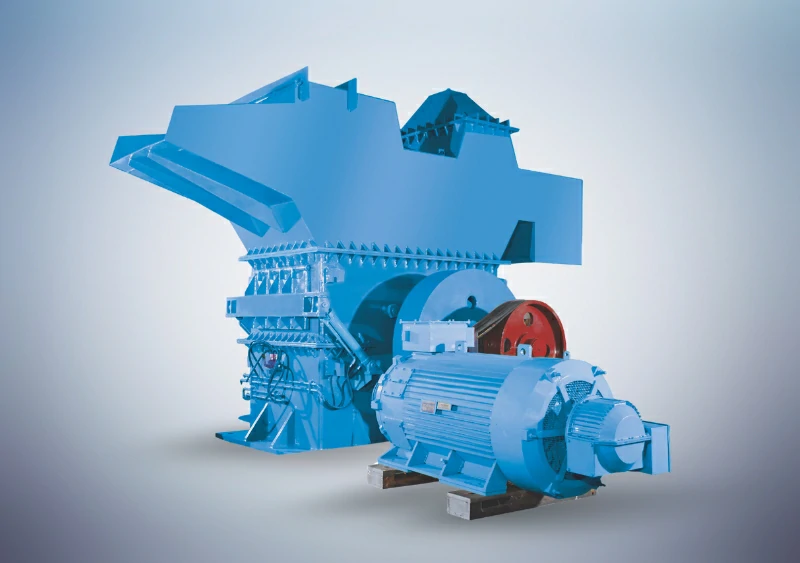
Baling equipment can help address this challenge by compressing suitable scrap into compact and manageable forms. Depending on the material and machine configuration, a suitable baler can support the preparation of scrap for easier storage, handling, and transportation.
This makes baling an important consideration for recycling facilities and industrial operations where metal scrap is generated continuously.
Different Types of Scrap Metal
Scrap metal can generally be divided into ferrous and non-ferrous categories.
Ferrous scrap contains iron and is commonly associated with materials such as steel and iron-based components. Non-ferrous scrap includes materials such as aluminium, copper, brass, and other metals that do not primarily contain iron.
Each category can have different processing and handling requirements. Effective sorting helps ensure that materials are directed toward appropriate recycling processes.
Applications of Scrap Metal Recycling
Scrap metal recycling is used across numerous industries. Manufacturing facilities generate metal offcuts during production, while fabrication workshops may produce leftover sheets, rods, and components.
Automotive and engineering industries can also generate substantial quantities of metal scrap. Construction and demolition activities may produce structural metal waste, while recycling centers collect and process materials from multiple sources.
By establishing an organized collection and sorting system, businesses can manage these materials more effectively.
Improving Scrap Handling With the Right Equipment
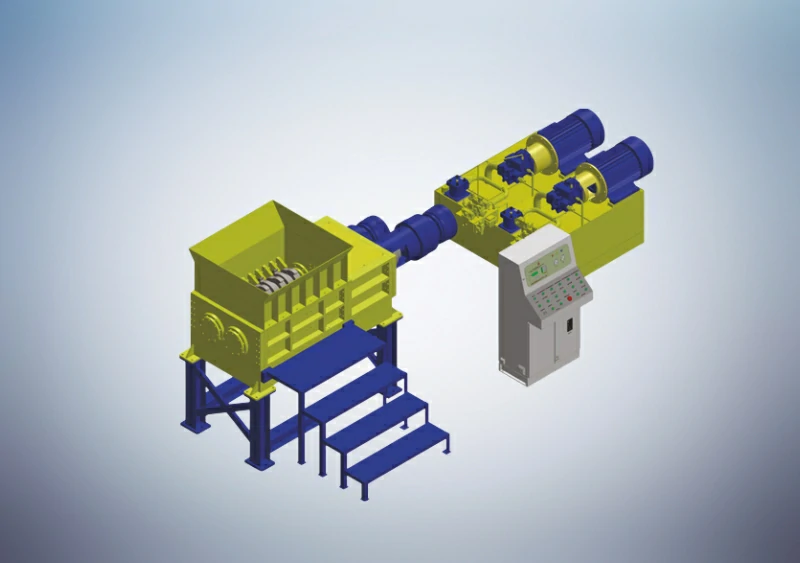
Equipment selection is an important part of an efficient recycling operation. Depending on the type and volume of material, businesses may require machinery for cutting, shredding, sorting, compacting, or baling.
For operations that need to reduce the volume of suitable metal scrap, an appropriate baling machine can help create a more organized workflow. The machine should be selected according to material characteristics, required output, bale dimensions, available space, and operating conditions.
Nut Cracker and Industrial Scrap Processing
Nut Cracker provides industrial machinery solutions designed to support businesses involved in material handling, scrap processing, and recycling operations.
For companies looking to improve the organization of their scrap metal recycling process, suitable machinery can help streamline material preparation and movement. Integrating the right equipment into an existing workflow can contribute to better space management and more systematic scrap handling.
Creating a More Organized Recycling Workflow
Successful recycling requires more than simply collecting scrap. Materials need to be handled systematically from the point of generation through sorting, processing, storage, and transportation.
Businesses can improve this workflow by establishing dedicated collection areas, separating different metal categories, monitoring material volumes, and using suitable processing equipment.
A structured approach can reduce unnecessary handling and help workers manage scrap more efficiently.
The Future of Scrap Metal Recycling
As industries continue to focus on efficient resource management, scrap metal recycling is becoming an increasingly important part of industrial operations. Businesses are looking for practical ways to recover materials, optimize storage, and improve the overall movement of recyclable resources.
Modern machinery can support these goals by making processes such as sorting, processing, and compression more systematic. The right combination of equipment and operational practices can help recycling businesses adapt to increasing material volumes.
Conclusion
Scrap metal recycling provides businesses with a practical approach to managing unwanted metal materials while recovering resources that can potentially be reused. From manufacturing plants and fabrication workshops to recycling centers and scrap processing facilities, an organized recycling system can improve material handling and operational efficiency.
With suitable equipment and proper workflow planning, businesses can make scrap collection, compression, storage, and transportation more manageable. Nut Cracker supports industrial operations with machinery solutions designed to address practical material processing and scrap handling requirements.