What Steps Are Involved When Using a Seq Kit for DNA Sequencing?
Posted by Eurofins Genomics
Filed in Health 18 views
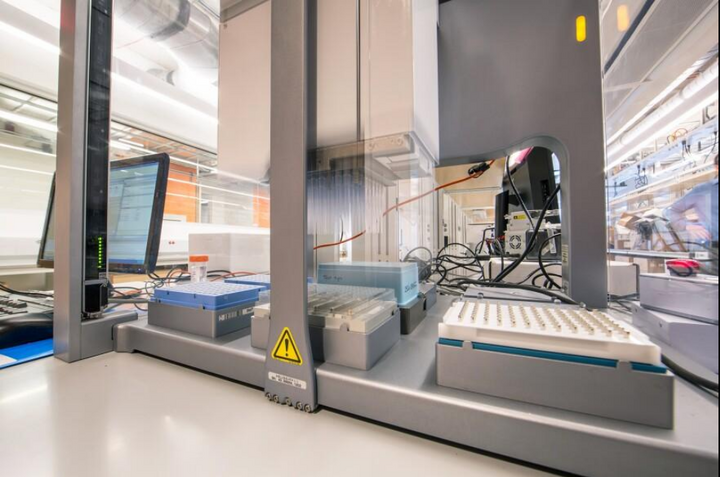
DNA sequencing is an important part of modern molecular biology, helping researchers confirm DNA constructs, analyze plasmids, verify PCR products, and obtain reliable sequence information. While sequencing itself involves advanced laboratory technology, the process of preparing and submitting samples does not have to be complicated. A seq kit can provide a structured way to organize samples, sequencing reactions, barcodes, and submission steps within one workflow.
For researchers working with Sanger sequencing, understanding how a sequencing kit fits into the overall process can make sample preparation and submission more straightforward. Eurofins Genomics provides SimpleSeq Kits as a prepaid sequencing solution designed to make DNA sequencing more convenient and organized for laboratory workflows.
What Is a Seq Kit?
A sequencing kit is designed to simplify the process of preparing and submitting DNA samples for sequencing. Instead of managing every sequencing reaction separately, a kit can bring important components and prepaid sequencing credits together in a structured format.
The SimpleSeq Kit from Eurofins Genomics includes 96 prepaid sequencing reactions and 96 barcoded tubes. The barcodes help identify individual samples during submission and processing. The kit also provides tools for managing sequencing reactions through an online account and sequencing dashboard.
This approach can be particularly useful for researchers who regularly submit multiple DNA samples for Sanger sequencing and want a more organized way to manage their sequencing workflow.
Step 1 Start by Ordering the Appropriate Kit
The first step is selecting and ordering the sequencing kit that matches your sample submission needs. Eurofins Genomics offers both a standard SimpleSeq Kit and a SimpleSeq Premixed Kit.
The standard option provides greater flexibility for different sample preparation approaches, including templates and primers. The Premixed option is intended for samples that have already been prepared as premixed sequencing reactions. Both options include 96 sequencing reactions.
Choosing the appropriate option at the beginning helps ensure that your samples can be prepared according to the requirements of the selected sequencing service.
Step 2 Prepare Your DNA Samples
Once the kit is available, the next stage is sample preparation. The quality and condition of the DNA template can influence the sequencing process, so samples should be prepared according to the relevant submission guidelines.
For general tube submissions, Eurofins Genomics recommends suspending templates in water because certain buffers and excess EDTA can interfere with sequencing reactions. Premixed samples should also contain purified templates before they are combined with primers.
Depending on the sequencing approach, researchers may submit templates, primers, or premixed samples. The standard SimpleSeq option provides flexibility for multiple sequencing reactions from a sample, while the Premixed option is designed for one premixed sequencing reaction per tube.
Step 3 Match Samples With Their Barcodes
One of the useful features of a seq kit is the use of pre-barcoded tubes. Each tube has an identification barcode that connects the physical sample with the online sequencing order.
When preparing samples, researchers should make sure that each sample is associated with the correct barcode. Accurate labeling is important because sequencing laboratories need to connect each submitted sample with the corresponding order information.
Eurofins Genomics also recommends using clear barcode labels when submitting sequencing tubes. SimpleSeq tubes are already supplied with barcodes, which helps make the sample identification process more systematic.
Step 4 Submit the Sequencing Order Online
After preparing the samples, the next step is entering the sequencing information online. For standard SimpleSeq submissions, researchers log into their account and access the sequencing order page.
The barcode number from each SimpleSeq tube is entered into the appropriate field. Researchers then provide the required sample information, select sequencing options, and add the order to the cart. Standard sequencing reactions covered by the prepaid kit are processed without an additional charge at checkout, while optional services or upgrades may have additional costs.
For SimpleSeq Premixed samples, online submission is also required under the current process. This helps improve sample tracking and allows the laboratory to associate submitted tubes with the correct order.
Step 5 Package and Send the Samples
After the online order has been completed, the physical samples need to be sent to the sequencing laboratory. Researchers should include a copy of the order with the tubes and package the samples according to the applicable shipping instructions.
Depending on the available submission options, samples can be sent through shipping services or submitted using an available Eurofins Genomics dropbox. Following the recommended submission process helps reduce potential delays caused by missing or unclear order information.
For researchers in the United States, Eurofins Genomics supports sequencing workflows through its U.S. operations, including its facility in Louisville, USA, Kentucky.
Step 6 Let the Laboratory Process the Samples
After the samples arrive, the sequencing laboratory processes the submitted reactions. SimpleSeq uses barcoded tubes to help organize and track samples throughout the workflow.
According to Eurofins Genomics, SimpleSeq samples receive priority processing, and 96% of results are delivered on the same day the samples arrive at the laboratory, typically by 10 AM. The service is designed to provide a convenient way to manage prepaid sequencing reactions while maintaining a streamlined submission process.
Step 7 Access and Manage Your Sequencing Results
Once the sequencing process and quality checks are complete, researchers can access their sequence data through their online account. The sequencing dashboard can also help users track kit usage, available reactions, and submitted samples.
This online management feature can be especially useful for research groups that share sequencing resources. SimpleSeq kits can be shared among users, allowing multiple researchers to submit samples and monitor usage through the sequencing dashboard.
What Happens When Your Sequencing Reactions Run Out?
A useful feature of the SimpleSeq workflow is FlexReads. Researchers may sometimes have unused barcoded tubes even after the prepaid sequencing reactions in a kit have been consumed. FlexReads provide additional virtual sequencing reactions that can be used with SimpleSeq kits.
This allows researchers to continue using available tubes rather than leaving them unused. FlexReads and FlexPacks can therefore provide additional flexibility when sequencing requirements change during a project.
Why a Seq Kit Can Be Useful for Research Workflows
A well-organized sequencing process can save researchers time and reduce unnecessary administrative steps. A seq kit brings together sample identification, prepaid sequencing reactions, submission tools, and online tracking within a connected workflow.
For laboratories that regularly perform Sanger sequencing, this can make it easier to plan sequencing activities, submit samples, monitor available reactions, and access results. The ability to share kits and manage sequencing activity online can also support collaborative research environments.
Conclusion
Using a seq kit for DNA sequencing involves several straightforward stages, from selecting the appropriate kit and preparing DNA samples to barcode-based identification, online submission, sample shipping, laboratory processing, and accessing sequence data. Understanding each step can help researchers prepare samples correctly and maintain a more organized sequencing workflow.
With its SimpleSeq Kits, online sequencing tools, barcoded tubes, prepaid reactions, and flexible options such as FlexReads, Eurofins Genomics provides a structured approach to Sanger sequencing. For researchers and laboratories in USA, Kentucky and across the United States, a well-managed sequencing kit can help connect sample preparation with a convenient and trackable DNA sequencing process.