How to Choose the Right Playschool in Raebareli for Your Child
Posted by Lucknow Public School
Filed in Business 12 views
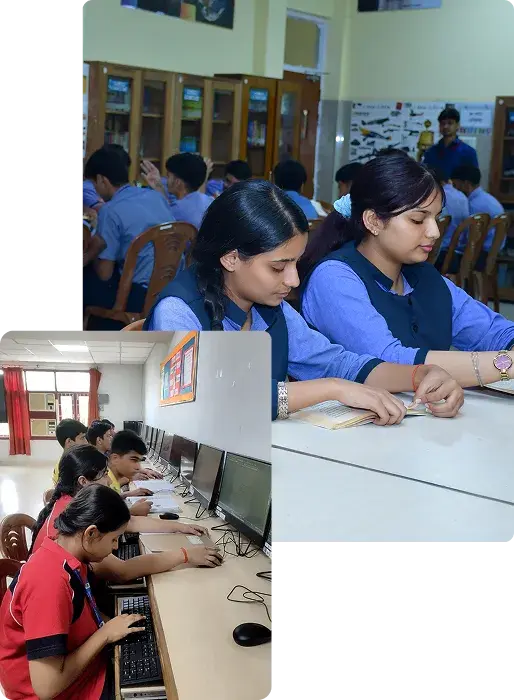
Choosing the right school for a young child is an important decision for every parent. The early years of education help children develop communication skills, confidence, curiosity, social behaviour, and a positive attitude toward learning. For families looking for a playschool in Raebareli, it is important to consider more than just location or convenience. Parents should look at the learning environment, teaching approach, safety, activities, facilities, and opportunities provided for overall development.
A good playschool should make learning enjoyable while helping children gradually become comfortable with routines, teachers, classmates, and classroom activities. The LPS focuses on creating a supportive educational environment where young learners can build strong foundations for their future academic journey.
Why Choosing the Right Playschool Matters
The playschool stage is often a child's first structured educational experience. Children begin learning how to communicate with others, follow simple instructions, participate in group activities, and express their thoughts and feelings.
A well-planned learning environment can encourage children to explore new ideas without making education feel stressful. Activities such as storytelling, drawing, music, games, role play, and creative exercises can help develop different skills in an age-appropriate way.
When searching for a playschool in Raebareli, parents should therefore consider whether the school provides a balanced combination of academics, activities, social interaction, and personal attention.
What Should Parents Look for in a Playschool?
Parents can consider several factors before selecting a school for their child.
1. Safe and Supportive Environment
Safety should always be one of the first considerations. Young children need an environment where they feel comfortable, secure, and supported throughout the school day.
Parents can check the school's classrooms, activity areas, entry and exit arrangements, cleanliness, and overall campus environment. Teachers and staff should also be attentive to the individual needs of young learners.
2. Child-Friendly Learning Approach
Children learn differently from adults. At the playschool level, learning should involve interaction and activities rather than relying only on traditional classroom instruction.
Storytelling, puzzles, art, music, movement activities, and interactive games can make lessons more engaging. These activities can also encourage children to develop vocabulary, observation skills, creativity, and problem-solving abilities.
3. Experienced and Caring Teachers
Teachers play an important role in a child's early educational experience. A caring teacher can help children become comfortable in a new environment and encourage them to participate in classroom activities.
While evaluating a playschool in Raebareli, parents should consider the teaching team's approach toward communication, classroom management, individual attention, and child development.
4. Opportunities for Social Development
Playschool is not only about academic preparation. It is also a place where children begin learning how to interact with their peers.
Group activities can teach children important habits such as sharing, listening, cooperating, waiting for their turn, and respecting others. These early social experiences can contribute to better confidence and communication skills as children progress through school.
How Activities Support Early Learning
Young children naturally learn through exploration. This is why activities can be an important part of an effective early-learning programme.
For example, a simple storytelling session can introduce children to new words and ideas. Art activities can encourage creativity and hand-eye coordination. Building blocks can introduce basic concepts related to shapes, balance, and problem-solving. Outdoor activities can encourage physical movement and teamwork.
A quality playschool in Raebareli should aim to provide children with opportunities to learn through different types of experiences rather than focusing on only one method.
Why Parents Consider The LPS
The LPS provides an educational environment designed to support children at different stages of their academic journey. For parents exploring early education options, the school can be considered as part of their search for a suitable playschool in Raebareli.
The school environment focuses on academic development along with activities that encourage confidence, creativity, communication, and positive social behaviour. These elements can help children develop habits that remain valuable as they move into higher classes.
Parents can also consider practical factors such as the school's location, campus environment, classroom facilities, faculty, curriculum, admission process, and daily routines before making their final decision.
Consider the School's Long-Term Educational Approach
Another useful consideration is whether the school can support a child's educational journey beyond the early years. Parents may prefer an institution where children can gradually transition from foundational learning to more structured academic programmes.
A consistent educational environment can make this transition easier because children become familiar with the school's expectations, learning culture, teachers, and routines.
When comparing options, parents should therefore look beyond the immediate playschool experience and understand how the institution approaches children's overall development.
Questions Parents Can Ask Before Admission
Before choosing a playschool in Raebareli, parents can prepare a list of questions for the school. They may ask about the curriculum, classroom activities, teacher-student interaction, safety arrangements, daily schedule, extracurricular activities, transportation options, and communication with parents.
It is also useful to understand the admission requirements, fee structure, school timings, and facilities available for young children.
Visiting the campus can provide parents with a better understanding of the school's environment. Observing classrooms and speaking with school representatives can help families make a decision based on their child's specific requirements.
Building a Strong Foundation for Future Learning
Early education can influence how children view learning and school. A positive first experience can encourage curiosity, confidence, communication, and a willingness to participate.
The right environment should allow children to learn at an appropriate pace while giving them opportunities to explore, ask questions, interact with others, and develop new skills.
For families searching for a playschool in Raebareli, The LPS can be explored as an option that combines early education with a broader focus on children's academic and personal development.
Conclusion
Finding the right playschool in Raebareli requires parents to consider several factors, including safety, teachers, learning methods, activities, facilities, social development, and the school's overall educational approach. The goal should be to find an environment where children feel comfortable while developing the foundational skills they need for their future.
The LPS offers an educational setting where young learners can participate in meaningful learning experiences while developing confidence, creativity, communication, and positive habits. Parents can explore the school's facilities, programmes, admission details, and learning environment to determine whether it meets their child's educational needs.
FAQs
1. What should parents look for in a playschool in Raebareli?
Parents should consider safety, experienced teachers, child-friendly learning methods, classroom activities, cleanliness, facilities, social development opportunities, school timings, and the overall learning environment.
2. Why are activities important in playschool education?
Activities such as storytelling, drawing, music, games, puzzles, and role play can make learning engaging while supporting creativity, communication, playschool in raebareli coordination, social interaction, and problem-solving skills.
3. Is The LPS suitable for early childhood education?
The LPS provides an educational environment focused on academic learning as well as confidence, creativity, communication, activities, and overall child development.
4. How can parents choose the right playschool in Raebareli?
Parents can compare schools based on safety, teachers, curriculum, activities, facilities, location, school timings, admission requirements, and opportunities for children's overall development.
5. What questions should parents ask before enrolling their child?
Parents can ask about the curriculum, daily schedule, teacher-student interaction, safety arrangements, activities, facilities, transportation, fees, admission requirements, and communication with parents.