Therapist Management Software: What to Look for in 2026
Posted by Justin Roy
Filed in Technology 4 views
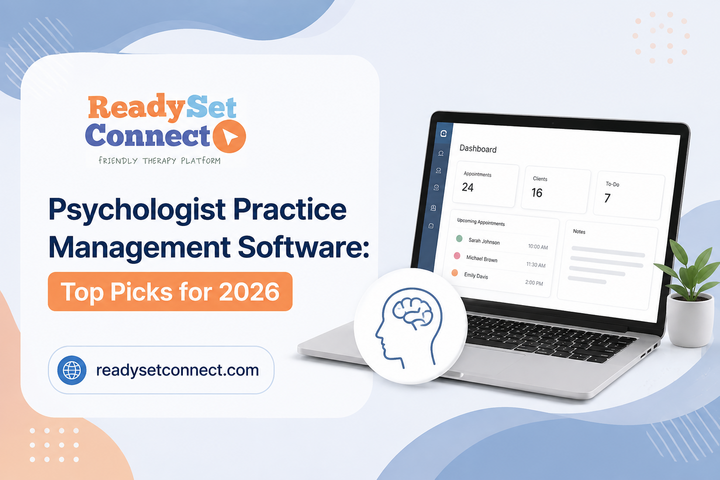
Between scheduling, documentation, billing, and client communication, therapists spend a surprising share of every week on tasks that have nothing to do with actual therapy. Good therapist management software is supposed to fix that — but not every platform delivers on the promise. Some are built for general medical practices and feel clunky for therapy workflows. Others are so stripped-down they leave you juggling three extra tools just to cover the basics.
If you're evaluating options this year, here's what actually matters — and what tends to get overlooked until it's too late.
Start With Your Actual Workflow, Not a Feature List
Most comparison articles start with a giant feature checklist. That's useful, but it misses the real question: what does a normal week look like for you? A solo speech-language pathologist has different needs than a multi-provider ABA clinic. Before comparing tools, map out your actual weekly workflow — scheduling, session documentation, billing, telehealth, reporting, and continuing education — and evaluate each platform against that, not against a marketing page.
That said, a handful of features consistently separate solid therapist management software from tools that create more work than they save.
The Core Features That Matter
1. Specialty-specific documentation, not generic notes. Generic SOAP note templates are better than nothing, but the best platforms adapt fields based on your specialty — speech therapy, ABA, occupational therapy, or psychology — so you're not manually restructuring every note to fit your actual work.
2. Scheduling built for therapy sessions, not generic appointments. A color-coded calendar with automated reminders sounds basic, but it's the difference between chasing no-shows manually and having the system handle follow-ups automatically. Look for software that reduces back-and-forth scheduling conflicts, not just a shared calendar.
3. Telehealth that's actually included. Many platforms charge extra for video sessions as an add-on, sometimes $10 or more per month on top of your base plan. If telehealth is a regular part of your practice, confirm it's included before you sign up — not billed separately later.
4. HIPAA compliance with real certification behind it. Every vendor claims to be HIPAA compliant. Fewer hold independent certifications like HITRUST CSF, which adds a verified layer of security assurance beyond a vendor's own claims.
5. Reporting that doesn't require manual compilation: When compliance reviews, audits, or insurance requests come up, you need client records, timesheets, and progress reports exportable in minutes — not hours of pulling data from multiple systems.
6. Continuing education without a second subscription Licensure renewal shouldn't require logging into an entirely separate platform and paying for it separately. Some therapist management software now includes accredited CEU courses directly inside the tool you already use daily.
7. A genuinely usable free tier A 30-day trial isn't the same as a free plan. If you want to actually test a platform against your real caseload before committing financially, look for software that offers a substantial free period on its full feature set — not a stripped-down trial that expires before you've onboarded your clients.
Solo Practice vs. Group Practice Needs
If you're part of a growing clinic rather than a solo practice, your requirements expand. Look for:
- Multi-clinician access with individual logins and permission levels
- Caseload visibility across the whole team, not just your own clients
- Shared documentation standards so notes stay consistent across providers
- Team scheduling that prevents double-bookings across multiple therapists
Clinics evaluating options at this scale should look specifically at software for therapy clinics and group practices, since single-provider tools often don't scale cleanly once you add staff.
Setup Time Is a Signal
How long a platform takes to set up tells you a lot about how it was built. Software that requires onboarding calls, IT involvement, or days of configuration is usually adapted from a more complex system. Purpose-built therapist management software should let you sign up, import your existing client list, and start scheduling sessions the same day — ideally in a couple of minutes, not a couple of days.
Making the Switch
If you're already using another system, migration is often the biggest hesitation. Before committing to any new platform, confirm it supports bulk import via CSV or Excel, and ask what happens to your data if you ever decide to leave. Reputable platforms let your data stay yours — exportable on request, not held hostage by the software.
Bringing It All Together
ReadySetConnect was built specifically as therapist management software for SLPs, BCBAs, OTs, psychologists, and special education teachers — combining scheduling, HIPAA-compliant documentation, built-in telehealth, reporting, and accredited CEU courses in a single platform, with an Essential Plus plan free for 30 days. You can explore all features or compare pricing plans to see how it fits your practice.
Start your free 30-day trial and see how much admin time you get back this week.
FAQs
What is therapist management software?
It's a platform that combines scheduling, HIPAA-compliant documentation, billing, and often telehealth into one system designed specifically for therapy workflows across specialties like speech therapy, OT, ABA, and psychology.
Is telehealth usually included?
Not always. Many platforms charge extra for video sessions as an add-on. Confirm this before signing up, since it can add meaningful cost over a year.
How is this different from general medical practice software?
Therapist management software is built around specialty-specific documentation (like SOAP notes and treatment plans tied to progress goals), rather than the physical-exam-based workflows of general medical EHRs.
Can multiple therapists use the same account?
Platforms designed for group practices support multi-clinician access with individual permissions and caseload visibility, though this typically requires a paid plan rather than a free tier.
How long does setup take?
Most purpose-built platforms let you sign up and start scheduling sessions the same day, often in under a few minutes, with bulk import tools available for existing client data.
Does therapist management software include continuing education?
Some platforms, including ReadySetConnect, include accredited CEU courses directly inside the tool at no extra cost, removing the need for a separate subscription to stay licensed.