Digital Invoicing Best Practices: Faster Payments and Happier Clients!
Posted by robert seo
469 views
Imagine being assigned to simplify the financial processes within your organization. You’ve heard the excitement surrounding e-invoicing and its ability to transform processes, but what’s the best way to implement it successfully? Switching to an e-invoicing system involves more than just new technology; it requires re-evaluating workflows, guaranteeing compliance, and enabling teams to manage their responsibilities while embracing digital transformation, leading to greater efficiency and effectiveness. This empowerment is a crucial element of e-invoicing, providing your teams with a feeling of control and productivity.
What does E-invoicing mean?
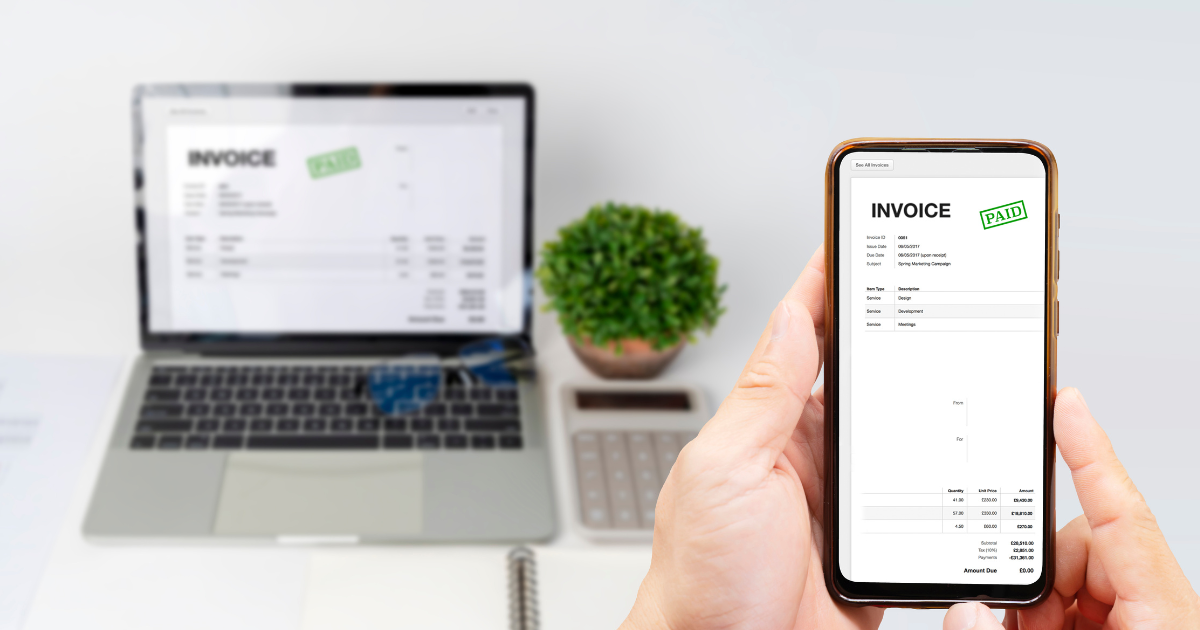
E-invoicing refers to the automated transfer of invoice information between purchasers and vendors via a defined digital format. This creative approach removes the necessity for manual data input, paper documentation, and processes prone to errors. It allows for smooth integration with corporate systems, guaranteeing quicker processing, better accuracy, and increased compliance. The advantages of e-invoicing are evident, making it an essential enhancement for any organization.
Key elements of an electronic invoice
Similar to traditional paper documents, e-invoices will contain the same fundamental details as a paper invoice, but all this information will be delivered in digital format. These include the name and contact information of both the supplier and the customer, the invoice number, the products and services provided, the payment amount, payment terms, etc. The primary difference is that e-invoices utilize standard data formats such as XML (Extensible Markup Language) or EDI (Electronic Data Interchange), enabling e-invoicing to be handled without human intervention.
Kinds of electronic invoicing systems
Various e-invoicing systems are available to meet the requirements of diverse enterprises:
-
B2B (Business-to-Business): it enables the implementation of an electronic invoice system for the transmission of invoices between enterprises.
-
B2G (Business-to-Government): allows companies to send electronic invoices to government agencies.
-
B2C (Business-to-Consumer): pertains to the distribution of electronic invoices to private customers.
-
Hybrid systems: These merge human-readable formats (such as PDF) with machine-readable data (like XML), providing adaptability in the shift to complete e-invoicing.
What Advantages Can Your Business Gain from Implementing E-invoicing?
For businesses, particularly those functioning in various nations, the benefits of e-invoicing are indisputable:
Cost Effectiveness: Moving to digital invoicing greatly cuts down on expenses for printing, mailing, and storing documents. Eventually, these savings lead to more efficient operational budgets and improved resource distribution.
Improved Compliance: E-invoicing systems automatically verify invoice information against local tax laws. This lowers the chances of non-compliance, audits, and fines, providing companies with security and reassurance. Improved adherence advantages and assures your company.
Enhanced Cash Flow: Quicker invoice authorizations and immediate monitoring simplify payment procedures. This guarantees a consistent cash flow, reduces delays, and enhances financial predictability, providing you with control over your finances. This management of your finances is a major benefit of e-invoicing, enhancing your sense of security.
Scalability: With business expansion, invoice quantities increase. E-invoicing systems manage higher demands without extra staff, facilitating growth seamlessly.
Sustainability: By removing paper invoices, businesses lower their carbon footprint, supporting environmental preservation objectives and corporate accountability.
The functioning of e-invoicing
Electronic invoicing, also known as e-invoicing, is a system that facilitates the oversight of the invoice workflow, encompassing the creation, distribution, and payment activities of invoices. This invoicing method tool significantly reduces workload by facilitating a smooth electronic process. How is it functioning?
The process starts with the creation of invoices. You generate a digital invoice through your ERP system or e-invoicing platform. This electronic document includes all essential information, including your business details, client information, a detailed list of products or services, and payment conditions. Using Enty provides you with robust invoicing options that assist in creating and personalizing e-invoices while also integrating smoothly with your other financial tools and systems.
After creation, the e-invoice is sent to your client through a secure, integrated system. While sending the e-invoice, it is transmitted in a structured electronic format that maintains the precision and essential elements of e-invoicing. Before being sent to the customer, the electronically sent invoice undergoes automated verification to ensure it satisfies all the legal and regulatory requirements.
After validating the e-invoice, it is dispatched in the format preferred by the recipient. This form of personalization meets the varied requirements of invoice generation by facilitating swift and efficient transaction completion. Because e-invoices are formatted, they can be directly incorporated into the recipient's accounting software or ERP system, eliminating the need to manually input these receipts via the keyboard.
On the receiving side, the accounts payable process starts when the e-invoice arrives. The system will automatically handle the invoice information and enable internal auditing to occur. This automated evaluation and analysis offer further confidence that the established rules have been followed, thus aiding in enhancing the integrity and transparency of the transaction.
After validation, the invoice information is incorporated into the financial system. This involves reviewing the accounts payable subsystems and preparing the invoice for payment, thereby finalizing the entire transaction cycle. The whole process, from generation to payment, is more streamlined and quicker than the conventional method of billing via mail or physical paper invoices.
Moreover, electronic invoicing enables improved management of cash flow. Improving working capital is possible due to faster processing and payment timelines. Moreover, the digital format of e-invoices facilitates simpler tracking of payments made and automated alerts for late invoices.
Future developments in e-invoicing
AI and ML impact how businesses operate in the area of e-invoices, enhancing their efficiency and precision. These technologies possess the ability to enhance cash flow, conduct historical analyses, or even take advantage of payment terms based on the speed of the relevant market. This signifies that companies can adaptively adjust payment schedules, thereby enhancing working capital and supporting suppliers.
Main advantages of AI and ML in electronic invoicing:
-
Automated data capture for invoices streamlines the procedure and results in fewer errors.
-
Financial planning that integrates top strategies of AI-driven companies.
-
Enhanced business operations through access to vital information as it is refreshed.
Mobile Technologies are progressively gaining popularity, enabling the e-business ecosystem to shift towards mobile invoicing. Mobile applications enable users to generate invoices, deliver them to the designated recipient, and monitor the invoice status, thereby expediting approval and payment receipt and enhancing cash flow.
What is the reasoning for mobile invoicing and what justifies its necessity?
-
Possesses the capability of facilitating approvals on the move.
-
Payments are processed swiftly, which aids in minimizing delays.
-
Capability to settle e-invoices even from a distant location
Final Thoughts
While implementing electronic invoicing may appear to enhance processes, it is more accurately described as a progression of a company or business. Fewer stacks of paperwork, ceaseless delays in payment collection, and no more manual data entry since all transactions will be automated. E-invoicing enables finance teams to shift from outdated invoicing methods that hindered organizations to more efficient approaches that accelerate payment inflow, optimize core processes, and allow the team to focus on what truly counts – expanding the organization. One is genuinely attempting to alleviate much of the unease surrounding contemporary financial management. The issue isn’t whether to undergo digital transformation, but rather how quickly can you begin?