How Do Fire Cleanup Experts Ensure Safe and Thorough Fire Cleanup and Restoration After Severe Property Damage?
Posted by Mark Brown
Filed in Business 477 views
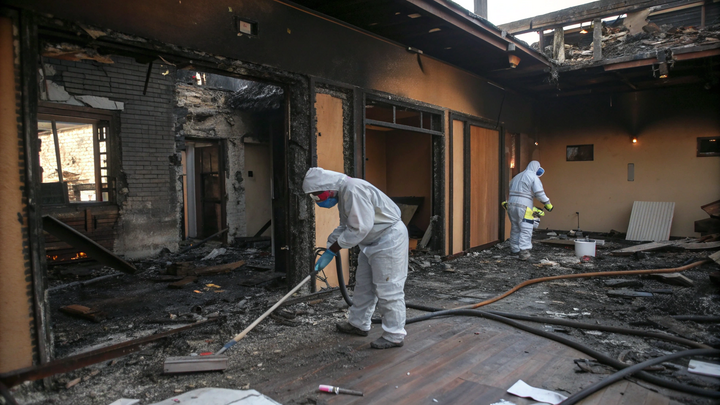
This comprehensive guide details how certified professionals restore fire-damaged properties through systematic protocols. The article examines five critical restoration components: thorough property assessment including structural stability testing, smoke penetration mapping, and moisture detection using thermal imaging; specialized soot removal techniques for wet smoke, dry smoke, fuel oil, and protein residue matched to specific contamination types; complete odor neutralization strategies combining thermal fogging, ozone treatment, hydroxyl generation, and activated carbon filtration verified through air quality testing. Professional fire damage restoration specialists address water extraction from firefighting efforts within 24-48 hours using industrial dehumidifiers and moisture monitoring. The guide covers content restoration services, including pack-out inventories, ultrasonic cleaning, and document freeze-drying. This resource addresses timeline expectations (3-6 weeks typical), item salvageability determination, and why professional assessment proves essential even for minor fires.
-
Introduction
Property fires leave behind devastating damage that extends far beyond what the eye can see. While flames consume visible structures and belongings, the hidden aftermath of corrosive soot deposits, pervasive smoke contamination, water saturation from suppression efforts, and compromised structural integrity create restoration challenges that demand specialized knowledge and systematic intervention.
Most property owners don't realize that fire damage continues to worsen even after flames are extinguished. Acidic soot residues actively corrode metal fixtures and electronics, smoke particles migrate into HVAC systems, spreading contamination throughout buildings, and moisture from firefighting creates ideal conditions for rapid mold growth. Fire damage restoration specialists address these complex, interconnected problems through comprehensive assessment protocols, advanced remediation techniques, and systematic reconstruction processes to safely and completely return properties to pre-loss condition.
Understanding the professional restoration process helps property owners navigate insurance claims, set realistic timeline expectations, and recognize why certified expertise makes the difference between adequate cleanup and thorough recovery.
Comprehensive Fire Damage Assessment and Documentation
Restoration begins with a detailed property evaluation conducted by certified technicians. This assessment goes beyond surface-level observation to identify hidden damage that could compromise safety or lead to long-term problems if left unaddressed.
Professional assessment includes:
Structural stability evaluation – Testing load-bearing walls, floor joists, and roof trusses for fire weakening or water saturation that creates collapse risks.
Smoke and soot penetration mapping – Tracing how far contamination spread through air currents, HVAC systems, and building cavities using thermal imaging and visual inspection.
Moisture intrusion detection – Using specialized meters to locate trapped water in walls, ceilings, and subfloors that standard visual inspection misses.
Electrical and mechanical system inspection – Identifying fire-damaged wiring, compromised gas lines, and smoke-infiltrated HVAC components requiring repair or replacement.
Salvageability determination – Categorizing building materials and contents as restorable, requiring specialized treatment, or beyond recovery.
According to the Insurance Information Institute, proper documentation during initial assessment proves critical for insurance claim processing and ensures no hidden damage gets overlooked during restoration. Professionals photograph extensively, create detailed floor plans marking affected areas, and document all findings in written reports shared with property owners and insurance adjusters.
Specialized Soot Removal and Surface Restoration
Fire residue comes in distinct forms requiring specific cleaning approaches. Restoration specialists match cleaning methods to residue types to prevent damage from spreading or becoming permanent.
Wet smoke damage (from slow-burning, oxygen-starved fires) creates thick, sticky residue with strong odors. Professionals use petroleum-based cleaning agents and specialized techniques that dissolve this coating without smearing it across larger surface areas.
Dry smoke damage (from fast, high-heat fires) produces fine, powdery soot that infiltrates tiny cracks and porous materials. Technicians employ dry-cleaning methods, chemical sponges, and HEPA filtration to capture these particles without embedding them deeper.
Fuel oil soot (from furnace puffbacks or petroleum fires) leaves greasy, penetrating residue requiring alkaline cleaners and multiple treatment passes.
Protein residue (from kitchen fires involving organic materials) often appears nearly invisible but creates powerful, persistent odors requiring degreasing compounds and specialized deodorization.
Certified restoration technicians work systematically from least to most affected areas, preventing cross-contamination and ensuring thorough coverage. They test cleaning methods on small, inconspicuous areas first to verify effectiveness without causing additional damage to delicate surfaces.
Complete Odor Neutralization Strategies
Smoke odor elimination represents one of restoration's most challenging aspects. Surface cleaning alone cannot remove odors embedded deep within porous materials, trapped in wall cavities, or absorbed into HVAC ductwork.
Professionals deploy multi-stage deodorization:
Thermal fogging introduces deodorizing compounds heated to match smoke particle size, allowing them to penetrate exactly where smoke reached, including areas inaccessible to standard cleaning.
Ozone treatment converts oxygen into ozone molecules that chemically react with odor compounds, neutralizing them at the molecular level. This powerful technique requires complete property evacuation and proper ventilation protocols.
Hydroxyl generation produces safe oxidizing agents that break down odor molecules while allowing property access and continued restoration work.
Activated carbon filtration continuously scrubs air, capturing microscopic particles and volatile organic compounds released from smoke-damaged materials.
Sealing and encapsulation apply specialized coatings to surfaces that have absorbed odors beyond removal capacity, permanently trapping residual compounds.
Specialists often combine multiple methods, conducting air quality testing at intervals until complete odor elimination is verified rather than merely masked.
Water Extraction and Structural Drying
Firefighting efforts typically introduce hundreds or thousands of gallons of water into structures. This secondary damage requires immediate attention to prevent mold growth, wood rot, and structural degradation.
Restoration professionals use industrial equipment, including:
-
Truck-mounted extraction systems are removing bulk standing water
-
Commercial-grade dehumidifiers control ambient moisture levels
-
High-velocity air movers accelerate surface evaporation
-
Moisture detection equipment monitors drying progress in walls, floors, and ceilings
Industry standards require establishing controlled drying environments within 24-48 hours of water intrusion. Fire-damaged materials complicate this process since charred wood, melted plastics, and soot-covered surfaces absorb and release moisture differently than undamaged building components.
Content Restoration and Reconstruction Services
Beyond structural repair, comprehensive restoration addresses personal property, documents, electronics, and irreplaceable items. Specialists provide:
-
Pack-out services, inventorying, and transporting contents to controlled restoration facilities
-
Ultrasonic cleaning for electronics, small items, and intricate objects
-
Freeze-drying for water and smoke-damaged documents and photographs
-
Textile restoration using specialized processes for clothing, upholstery, and draperies
-
Deodorization chambers treat items separately from structural restoration
Technicians document each item's pre-restoration condition, track it through cleaning processes, and maintain detailed inventories supporting insurance claims.
Professional Restoration Ensures Complete Recovery
Fire damage creates overwhelming complexity requiring specialized knowledge, industrial equipment, and systematic processes. Attempting DIY restoration risks incomplete contamination removal, undetected structural compromise, and ongoing health hazards from residual smoke particles and mold growth.
Certified fire damage repair experts follow proven protocols combining building science, chemistry knowledge, and years of field experience. They bring comprehensive solutions addressing visible destruction and hidden damage that untrained eyes miss.
The investment in professional restoration protects property value, ensures occupant safety, and provides peace of mind through documented, verifiable results. Property owners facing fire damage should prioritize working with certified companies demonstrating clear methodologies, transparent communication, and proven track records of complete restoration success.
Recovery from fire requires patience, expertise, and commitment to thoroughness. Professional specialists handle technical complexities while property owners focus on rebuilding their lives.
FAQs
Q1: How long does complete fire damage restoration take?
A: Most projects require 3-6 weeks for cleanup and drying, though extensive structural repairs or content restoration may extend timelines to several months, depending on damage severity.
Q2: Can all fire-damaged items be restored?
A: Not everything is salvageable. Restoration specialists evaluate each item individually, with porous materials exposed to heavy soot or heat damage typically requiring replacement, while hard surfaces and electronics often respond well to professional cleaning.
Q3: Do I need professional restoration for minor fire damage?
A: Yes, even small fires create hidden smoke damage, soot infiltration in HVAC systems, and potential structural issues requiring professional assessment and proper remediation techniques.