Keeping Rust Off a Replica Blade Sword
Posted by True Swords
Filed in Business 309 views
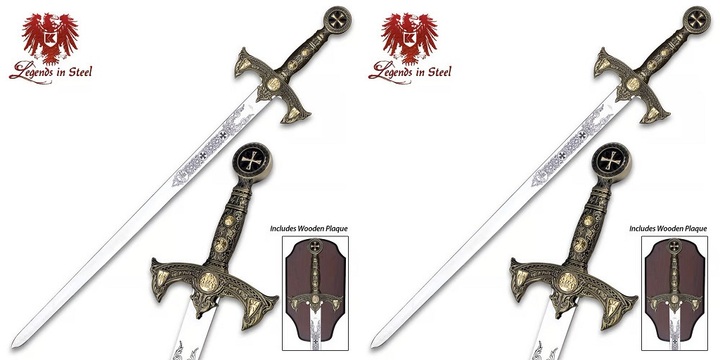
Replica blade swords are made with all sorts of steel alloys; some are made with stainless alloys like 440, others are made with spring steels like 5160, and others are made with tool steels like 1095 or 1045 or T10.
Don’t believe what anyone tells you about steel. Any alloy will rust if you don’t take care of it properly. This short post will help you address that element of sword ownership.
Special Notes for Wallhangers
If you have not bought a sword yet and you are only reading this for preliminary information, if you are only going to buy a sword for display and never intend to use it for live cutting practice, you might want to consider getting a wallhanger made with a rust-resistant steel alloy.
Some wallhangers are made with stainless alloys that will require far less care than tool steels, spring steels, and other high-carbon steels that are commonly used to make battle-ready steels.
A stainless alloy will require less work from you; if all you’re going to do is place it on a plaque and hang it on a wall, there’s no reason not to get a replica blade sword that is made with a stainless alloy.
Storing Wisely
How you store your replica blade sword is the single most important element of keeping rust off the blade.
The high level notes here are that you need to control the climate such that the conditions are always cool and dry.
Temperature is less important than relative humidity. Under no circumstances should the relative humidity where you store or display your sword be above 50%. It’s better if it’s between 30% to 45%.
If you can’t keep the room in which you store the sword at relatively humidity levels that low using your HVAC system, you have two options.
One is to get a separate dehumidifier for the room, but that’s a bit of a clunky solution. The other option is to store the sword in a sealed case, provided you strictly control the humidity within.
Following the latter route gives you the flexibility to use moisture absorbents in the case to keep the sword dry, protecting it from moisture.
Storing your replica blade sword widely will help keep rust off the blade, which will help prevent corrosion from marring the finish.
Periodic Maintenance
In addition to storing a replica sword properly, there is some basic maintenance you will want to adhere to in order to ensure that the exposed steel is fully protected.
The most important element of rust prevention thereby is treating the blade. Most sword owners use oil for this application.
A light coating of knife or gun oil on the blade, evenly distributed, will help seal out moisture and oxygen, helping to prevent rust.
You must, however, remember to reapply this treatment every few months, because despite its efficacy, oil eventually evaporates, exposing the steel.
Another method is to apply microcrystalline wax to the sword. Like oil, microcrystalline wax will insulate the blade against moisture and air, but unlike oil, it doesn’t evaporate and will last on the blade longer.
Treat Your Next Replica Blade Sword Right
If you had to learn the hard way and have dealt with rust on a replica blade sword in the past, remember the pointers in this article. Though they are basic, they are highly effective at keeping rust off of swords.
For more information about Tengens Swords and Wakizashi Katana Please visit: True Swords.