Lab Grown Diamond Rings Common Questions Answered
Posted by Mikado Diamonds
Filed in Business 322 views
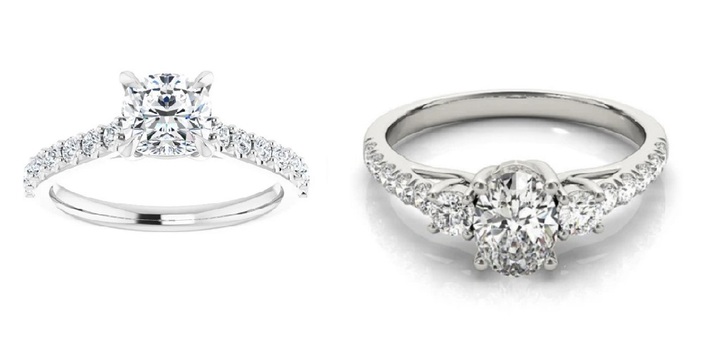
Lab grown diamond rings have become a meaningful option for anyone exploring engagement ring styles with a focus on quality, design, and thoughtful sourcing. If you’re considering one, here are a few questions about how they are made, how they compare to natural diamonds, and what to expect when choosing a ring that reflects your personal taste.
What Are Lab-Grown Diamonds?
Lab-grown diamonds are real diamonds created in controlled environments using advanced technology that replicates the natural diamond formation process. They share the same physical, chemical, and optical properties as mined diamonds. This means they display the same brilliance, hardness, and clarity you would expect from a traditional diamond.
Two common methods are used to create them: High Pressure High Temperature (HPHT) and Chemical Vapor Deposition (CVD). Both approaches result in diamonds that are graded and certified using the same standards applied to natural stones.
Are Lab-Grown Diamonds Certified?
Yes, lab-grown diamonds are graded by independent gemological laboratories. These certifications evaluate cut, color, clarity, and carat weight. When you review a certificate, you can understand exactly what you are selecting, including how well the diamond reflects light and how visible any inclusions may be.
This transparency allows you to compare stones confidently and focus on the characteristics that matter most to you.
How Do Lab-Grown Diamonds Compare Visually?
To the naked eye, there is no visible difference between a lab-grown diamond and a mined diamond. Both offer the same sparkle and fire. Even under magnification, only specialized equipment can detect subtle differences in growth patterns.
This means your choice can focus entirely on design, size, and quality without concern about appearance.
What Shapes Are Available?
The diamond shape plays a major role in the overall look of a ring. Each cut reflects light differently and creates a distinct visual impression. Some of the most popular options include:
- Round: Known for its exceptional brilliance, this shape maximizes light reflection and offers a classic appearance.
- Oval: An elongated version of the round cut that can create a flattering, lengthened look on the finger.
- Cushion: Features soft, rounded corners and a romantic feel, often associated with vintage-inspired designs.
- Emerald: Defined by step-cut facets, this shape highlights clarity and offers a refined, understated sparkle.
- Princess: A square shape with sharp angles that delivers strong brilliance with a modern edge.
- Pear: A teardrop shape that combines round and marquise elements, offering a unique and elegant silhouette.
The shape depends on your personal style, how you want the diamond to reflect light, and how it complements the setting.
Are Lab-Grown Diamonds A Good Choice For Engagement Rings?
Many people choose lab-grown diamonds for engagement rings because they offer flexibility in design and size. You may be able to select a larger or higher-quality stone within your preferred budget range. This can make it easier to prioritize specific features like cut precision or clarity.
Another factor is traceability. Since lab-grown diamonds are created in controlled environments, their origin is clearly defined, which can be important if you value transparency in sourcing.
Do Lab-Grown Diamonds Last As Long As Natural Diamonds?
Yes, lab-grown diamonds have the same hardness as natural diamonds, ranking 10 on the Mohs scale. This makes them highly resistant to scratching and suitable for everyday wear. With proper care, your ring can maintain its brilliance over time.
Explore Your Options With Confidence
If you’re ready to explore lab grown diamond rings in more detail, Mikado Diamonds offers a curated selection of certified stones and handcrafted settings. Their collection includes timeless and modern designs, with each diamond carefully selected by experienced gemologists to help you find a ring that feels truly personal.
For more information about Unique Engagement Rings and Oval Moissanite Engagement Rings Please visit: Mikado Diamonds.