Why is Goat Milk Soap Base Popular in Handmade Skincare?
Posted by Vedaoils IN
Filed in Health 358 views
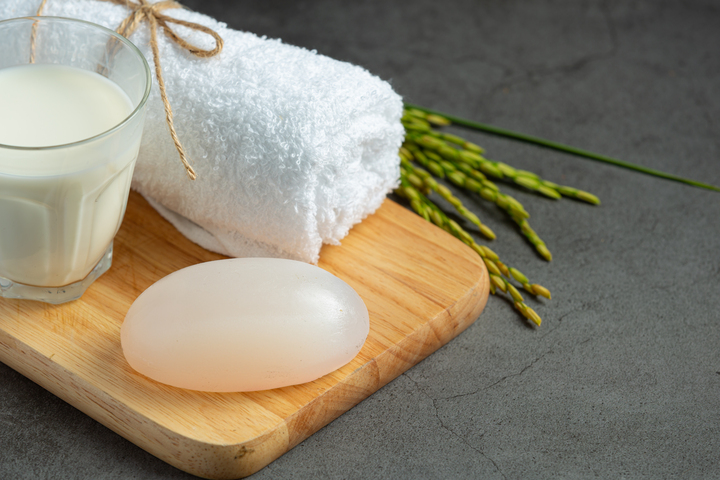
People who desire beauty solutions based on natural ingredients which protect their skin have developed a growing interest in handmade skincare products. The DIY skincare community uses Goat Milk Soap Base as a special ingredient because of its ability to provide skin nourishment and moisture retention. The goat milk soap product attracts users from beginner soap makers to professional skincare brands because it delivers gentle cleansing, which helps maintain a healthy skin appearance. The creamy texture of the product, together with its natural nutrients and its simple application process, makes the ingredient a top choice for making handmade soap. Goat milk soap is a reliable choice in skincare because it enables users to create different products, such as herbal soaps, moisturising beauty bars, and aromatic bath items.
What is Goat Milk Soap Base?
Goat Milk Soap Base is a melt-and-pour soap base basically used for making handmade soaps at home or in small businesses, kind of like a shortcut. It’s typically made with goat milk, glycerin, natural oils, and skin-conditioning components that work to help produce soft and creamy soap bars.
This soap base can be melted down quite easily, and then you mix it with colours, herbs, fragrances or essential oils. After that, you pour everything into moulds to make custom soaps. The whole approach is simple enough for a beginner, so DIY skincare fans can start right away without too much fuss, really.
Why Handmade Skincare Brands Prefer Goat Milk Soap Base?
1. Gentle on the Skin
One of the main reason Goat Milk Soap Base is popular is because of its mild, gentle cleansing property. A lot of people with dry or sensitive skin tend to prefer goat milk soaps for the way they clean the skin without making it feel too dry or giving that irritated kind of feeling.
Furthermore, the creamy texture of goat milk soap offers a sort of calming sensation that many commercial bars just don’t have.
2. Rich in Moisturizing Properties
Goat milk naturally has fats and proteins that help keep the skin feeling soft, like that. When you mix it with glycerin and natural oils, the soap base holds on to hydration and supports smoother-looking skin.
This is quite useful in winter, or whenever you are in dry climates because the skin can turn rough and kind of thirsty for moisture, in a way.
3. Supports Healthy-Looking Skin
Handmade skincare lovers often end up choosing goat milk soap because it carries vitamins and nutrients that can help with the skin’s overall look, not just the surface. With steady use, the skin may feel softer, cleaner, and a bit recharged.
Lots of DIY soap makers also mix in stuff like oatmeal, honey, turmeric or essential oils, kind of to amplify the skincare effects and give the bar a little more character.
Easy to Customize for DIY Soap Making
1. Perfect for Creative Soap Recipes
Another reason behind the popularity of Goat Milk Soap Base is its flexibility in soap crafting. It blends easily with:
-
Essential oils
-
Herbal powders
-
Natural colors
-
Dried flowers
-
Exfoliants
This allows soap makers to create unique skincare products for different skin types and personal preferences.
2. Beginner-Friendly Soap Making Option
Unlike cold-process soap-making, melt-and-pour goat milk soap is a bit easier and, arguably, safer for beginners. It doesn’t really force you to mess with harsh chemicals or deal with overly complicated steps. The melt, pour, and moulding routine is fairly straightforward, and it usually saves time while still letting people craft good-looking, handmade soaps.
Because of that kind of convenience, lots of small skincare businesses also use goat milk soap to create tailored beauty products.
Popular in Natural and Organic Skincare Trends
1. Rising Demand for Natural Products
Nowadays, more and more consumers seem to notice what’s actually inside skincare products. Many people tend to choose soaps with natural ingredients, not those harsh chemicals, and honestly, it feels like that preference keeps growing.
Goat milk soap kind of fits right into this whole natural beauty trend since it is frequently linked with gentle care, hydration and even those homemade beauty routines that people talk about, a bit like a small ritual in the bathroom.
2. Ideal for Sustainable Handmade Businesses
Many handmade skincare businesses seem to go with a Goat Milk Soap Base, because it helps with small-batch soap making. It lets creators try out various designs, fragrances, and ingredients kind of freely, without having to sink money into a complicated manufacturing setup.
Furthermore, its buzz on social media, plus DIY beauty spaces, has pushed demand up steadily among skincare enthusiasts worldwide. It’s got kind of everywhere, not just in one place, you know.
Tips for Using Goat Milk Soap Base
1. Store Properly
Keep the soap base in a cool and dry place to prevent sweating or moisture buildup.
2. Avoid Overheating
Overheating the soap base may affect its texture and quality. Melt it slowly for the best results.
3. Use Skin-Friendly Additives
Natural ingredients like lavender oil, honey, oatmeal, and aloe vera work well with goat milk soap and improve the overall skincare experience.
Conclusion
The rising buzz around Goat Milk Soap Base in handmade skincare is mostly because it has a gentle cleanse along with moisturising benefits, and it is just… easy to work with. You get this nice balance between creativity and skincare support, so it can work for beginners too and for professional soap makers, depending on the batch.
As more people keep leaning toward natural beauty products, goat milk soap still lands as one of the most trusted materials for crafting nurturing and very personalised handmade soaps. Its ability to help skin feel soft, refreshed, and in a better-shape-looking way makes it a solid add-on for modern DIY skincare routines, even if you change recipes a lot.