Best Charities To Donate To That Fight Hunger in Philadelphia
Posted by Philabundance US
328 views
Many people look for the best charities to donate to when searching for ways to fight hunger in their communities. Food insecurity affects families, children, seniors, and working adults who face challenges accessing nutritious meals on a regular basis.
In Philadelphia, community organizations, food banks, and local partners work together to increase food access and connect residents with essential resources. Exploring the solutions available can help individuals make informed decisions about where to direct their support.
Causes and Solutions to Food Insecurity in Your Community
Food insecurity occurs when households lack consistent access to enough nutritious food. The issue can stem from several factors, including rising living costs, unemployment, underemployment, unexpected medical expenses, and limited transportation options.
For many families, even a temporary financial setback can make it difficult to purchase groceries. Neighborhoods with fewer food retailers may also create barriers to accessing fresh produce and healthy meal options.
Communities address these challenges through coordinated efforts that connect food resources with those who need them. Food banks, meal programs, community centers, schools, and local nonprofits contribute to a support network that improves food access. These organizations help distribute groceries, provide prepared meals, and connect individuals with additional services that support long-term stability.
Educational programs, workforce development initiatives, and food rescue efforts also contribute to local hunger relief. These strategies help communities address both immediate needs and underlying factors that contribute to food insecurity.
The Impact of Hunger in Philadelphia
Philadelphia faces significant food insecurity challenges. Thousands of households across the region experience difficulty accessing reliable sources of nutritious food. Children, older adults, and working families are among those affected.
The effects extend beyond mealtimes. Hunger can influence school performance, workplace productivity, physical health, and overall well-being. When households must make difficult choices between food, housing, healthcare, and other necessities, daily life becomes increasingly challenging.
Community organizations respond through structured programs that help maintain access to food in neighborhoods across the region. Local distribution networks connect food resources with schools, shelters, senior centers, and community organizations, allowing assistance to reach residents in familiar and accessible locations.
How Food Banks Expand Community Support
Food banks serve as central hubs within hunger-relief networks. They collect, sort, store, and distribute food through partnerships with local organizations.
A strong distribution network allows food to reach many communities efficiently. Schools may provide meal assistance to students and families. Community centers can offer grocery distributions. Senior-focused programs help address specific dietary and mobility needs.
Food rescue programs add another layer of support. Grocery stores, farms, manufacturers, and distributors may have surplus food that remains safe and nutritious but cannot be sold. These products can be recovered and redirected to organizations serving individuals experiencing food insecurity.
This strategy helps reduce food waste while increasing the availability of fresh and shelf-stable food across the community.
Ways to Support Hunger Relief Efforts
People interested in supporting hunger-relief initiatives have several options available.
Financial contributions help organizations purchase food, maintain storage facilities, support transportation, and respond to changing community needs. Donations can also provide flexibility when demand increases.
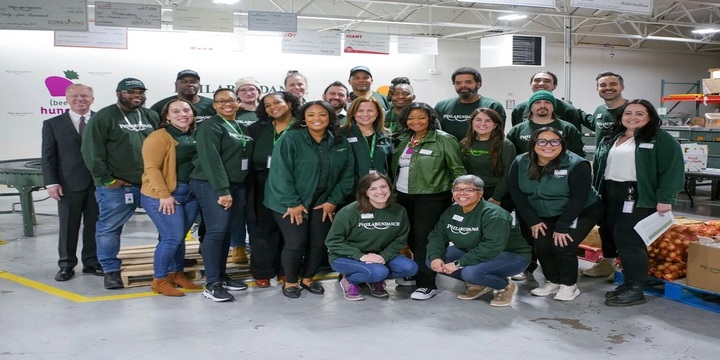
Volunteer opportunities support daily operations. Tasks may include sorting donated goods, preparing food packages, assisting with distribution activities, and helping organize warehouse inventory.
Advocacy and awareness efforts also strengthen community engagement. Sharing information about local hunger-relief programs encourages participation and helps expand support networks.
These forms of involvement allow residents to contribute according to their interests, schedules, and available resources.
Charities In Philadelphia Creating Lasting Impact
Many Charities In Philadelphia focus on addressing food insecurity while supporting broader community needs. Hunger relief efforts frequently intersect with programs related to employment, education, housing, and health services.
Workforce training programs, culinary education initiatives, and job-readiness resources can help individuals build practical skills and improve economic stability. These efforts support households seeking long-term solutions while maintaining access to essential food resources.
The organizations that fight hunger across Philadelphia rely on partnerships, volunteers, donors, and community members working toward a shared goal of improving food access for all residents.
Learning More About Local Hunger Relief Efforts
For those interested in supporting hunger-relief programs in the Philadelphia region, Philabundance provides information on food distribution, food rescue initiatives, volunteer opportunities, and community-based programs that increase access to nutritious meals. Its mission focuses on reducing hunger, minimizing food waste, and supporting long-term solutions that strengthen local communities.
For more information about Where Can I Donate Food and Food Bank Volunteering Near Me Please visit: Philabundance.