How Salon Apps Are Becoming Beauty Commerce Platforms?
Posted by Steve Jonas
Filed in Technology 261 views
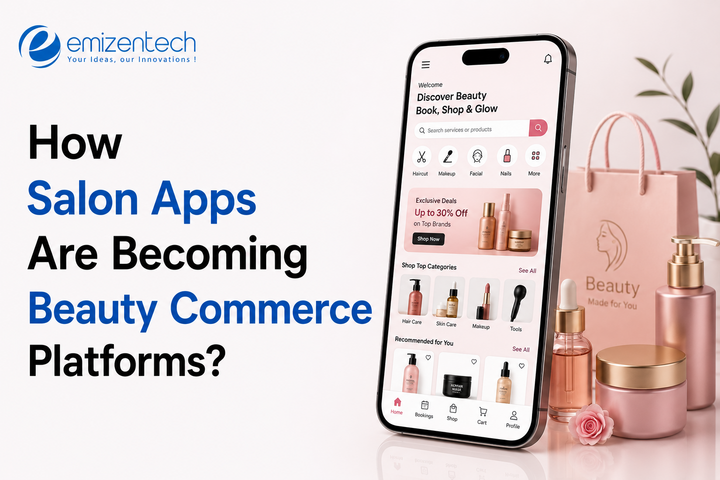
Salon apps were once designed primarily to help customers book appointments and manage schedules. Today, they are evolving into much broader digital platforms that combine beauty services, product discovery, personalized recommendations, and online shopping.
This shift reflects a growing connection between beauty services and digital commerce. Customers increasingly expect convenient ways to purchase recommended products, explore beauty solutions, and interact with brands through a single mobile experience. As a result, salon apps are becoming central hubs that support both service delivery and beauty-related transactions.
Why Is the Beauty Industry Moving Toward Commerce-Driven Apps?
Modern beauty businesses are adapting to changing customer expectations and purchasing habits. Mobile technology has made it easier to connect services and retail experiences within a single platform.
-
Customers prefer convenience and often want to purchase products immediately after receiving a beauty service.
-
Mobile commerce has become a normal part of everyday shopping behavior.
-
Personalized product recommendations can improve the customer experience.
-
Digital platforms help businesses maintain engagement between appointments.
-
Beauty consumers increasingly research products online before making purchases.
-
Loyalty programs, rewards, and exclusive offers encourage repeat interactions.
-
Data insights help businesses better understand customer preferences and purchasing patterns.
From Booking App to Beauty Marketplace
The role of salon apps has expanded significantly over the last few years. Rather than functioning solely as scheduling tools, many now support product sales, beauty consultations, educational content, and loyalty programs.
-
Customers can browse professional beauty products directly within the app.
-
Personalized recommendations connect treatments with suitable retail products.
-
Digital storefronts create additional revenue opportunities beyond salon visits.
-
Subscription programs allow recurring purchases of skincare and beauty essentials.
-
Beauty education content helps customers make informed purchasing decisions.
-
Integrated payment systems simplify transactions for both services and products.
-
Customer profiles create a more personalized shopping experience over time.
Commerce Features Reshaping Modern Salon Apps
Modern beauty platforms are introducing new features that blend service experiences with digital retail, creating stronger customer relationships and more convenient purchasing journeys.
Integrated Product Catalogs
Customers can explore professional beauty products within the same platform they use to book appointments. Product information, reviews, ingredient details, and usage instructions help support informed purchasing decisions.
Personalized Product Recommendations
Apps can analyze appointment history, treatment preferences, and previous purchases to suggest products that align with individual beauty goals. These recommendations often feel more relevant than generic marketing messages.
In-App Purchasing and Payments
Built-in payment functionality allows customers to purchase products, gift cards, memberships, and service packages without leaving the application, reducing friction during the buying process.
Subscription and Replenishment Programs
Beauty products often require regular replacement. Subscription features help customers automatically reorder frequently used items, creating a convenient and predictable shopping experience.
Creating a Seamless Beauty Shopping Journey
Successful beauty commerce platforms focus on reducing barriers between discovering products, receiving services, and making purchases. The goal is to create a connected customer experience.
Connecting Services and Retail Products
After receiving a facial, haircut, or skincare treatment, customers can immediately access recommended products through the app. This creates a natural transition from service experience to product purchase.
Unified Customer Profiles
Customer profiles combine appointment history, product purchases, preferences, and loyalty rewards in one location. This information helps create more personalized and consistent experiences across multiple interactions.
Frictionless Checkout Experiences
Simple checkout processes reduce abandoned purchases. Saved payment methods, digital wallets, and one-click purchasing options make buying beauty products faster and more convenient.
Cross-Channel Shopping Consistency
Customers may interact with a beauty brand through physical salons, websites, social media platforms, and mobile apps. Consistent information across channels improves trust and overall user satisfaction.
How Technology Powers Beauty Commerce Platforms?
Advanced technologies play a significant role in helping salon apps evolve into intelligent commerce ecosystems that support personalization, automation, and customer engagement.
Artificial Intelligence for Product Matching
AI systems can analyze customer preferences and treatment history to recommend products that align with specific beauty needs. These recommendations often become more accurate as customer data grows over time.
Data Analytics and Customer Insights
Analytics tools help businesses understand purchasing behavior, popular products, seasonal trends, and customer preferences. These insights support better inventory planning and customer engagement strategies.
Cloud-Based Commerce Infrastructure
Cloud technology enables scalable performance, secure data management, and real-time synchronization across devices. This infrastructure supports growing user bases and expanding product catalogs.
Mobile Commerce Optimization
Fast-loading pages, responsive interfaces, and simplified navigation improve shopping experiences on mobile devices, where most beauty-related browsing and purchasing activities now occur.
In many cases, organizations exploring salon app development services focus on building these technology foundations to support both service management and commerce functionality within a single platform.
Enhancing Customer Engagement Beyond Salon Visits
One of the biggest advantages of commerce-driven salon apps is the ability to maintain customer relationships between appointments rather than limiting engagement to occasional salon visits.
Personalized Communication and Offers
Apps can send relevant product suggestions, reminders, and promotions based on customer interests and previous interactions, helping create more meaningful engagement.
Loyalty and Rewards Programs
Digital rewards systems encourage continued participation by offering points, exclusive benefits, or discounts for both service bookings and product purchases.
Beauty Education and Content
Tutorials, skincare guides, product usage tips, and beauty trend updates provide ongoing value while helping customers better understand products and services.
Community and Social Features
Some platforms incorporate customer reviews, user-generated content, and social sharing capabilities that encourage interaction and help customers discover new products and beauty solutions.
Beauty Commerce Trends Influencing Salon Apps
Several emerging trends are shaping how beauty businesses approach digital commerce and customer engagement through mobile applications. These developments are influencing how salon apps deliver personalized experiences, connect customers with products, and support long-term engagement.
Social Commerce Integration
Customers increasingly discover beauty products through social media platforms. By integrating social commerce features, salon apps can make it easier for users to explore products, view recommendations, and complete purchases without leaving the digital experience.
Virtual Beauty Experiences
Virtual consultations, digital skin assessments, and product visualization tools are helping customers make more informed decisions. These features provide greater convenience while reducing uncertainty when selecting beauty products or services.
Sustainable Beauty Shopping
Consumers are paying closer attention to product ingredients, ethical sourcing practices, and environmental impact. Salon apps can support informed purchasing decisions by providing transparency, educational content, and sustainability-related information.
Personalized Wellness and Beauty Ecosystems
Beauty and wellness are becoming increasingly connected. Future platforms may combine skincare, haircare, nutrition, wellness tracking, and personalized recommendations to create more comprehensive customer experiences.
As these trends continue to shape the industry, businesses and technology teams developing modern salon solutions are paying close attention to changing consumer expectations. Many organizations working with a beauty salon app development company are exploring how emerging commerce and personalization trends can be incorporated into future digital beauty experiences.
What the Future Holds for Beauty Commerce Platforms?
The future of salon apps will likely involve deeper integration between services, retail experiences, personalization technologies, and customer engagement tools.
Hyper-Personalized Beauty Recommendations
Advances in artificial intelligence and customer data analysis will enable more accurate recommendations based on unique preferences, beauty goals, and purchasing behavior.
Connected Beauty Ecosystems
Salon apps may become central platforms that connect beauty professionals, brands, products, consultations, and customer communities through a unified digital experience.
Predictive Commerce Experiences
Future systems may anticipate customer needs before they actively search for products, using purchase history and usage patterns to suggest timely recommendations.
Immersive Shopping Technologies
Augmented reality, virtual try-on tools, and interactive product demonstrations could further improve online beauty shopping experiences and reduce purchasing uncertainty.
Conclusion
Salon apps are evolving into comprehensive beauty commerce platforms that bring together services, product discovery, online shopping, loyalty programs, and personalized experiences. This shift reflects changing consumer expectations for convenience, seamless digital interactions, and more tailored beauty journeys.
As technology continues to advance, these platforms are expected to offer even greater levels of personalization, automation, and customer engagement. The growing connection between beauty services and digital commerce is likely to influence how customers discover, purchase, and interact with beauty products and services in the future. EmizenTech follows these industry developments as beauty technology continues to evolve.
FAQ
1. What is a beauty commerce platform?
A beauty commerce platform combines beauty services, product sales, customer engagement tools, and digital shopping experiences within a single application or ecosystem.
2. How are salon apps different from traditional e-commerce apps?
Salon apps combine appointment booking, customer profiles, service management, and beauty-related shopping features, creating a more integrated experience than standard e-commerce platforms.
3. Why are personalized product recommendations important in beauty apps?
Personalized recommendations help customers find products that match their specific needs, preferences, and treatment history, improving overall satisfaction and decision-making.
4. What technologies support modern beauty commerce platforms?
Common technologies include artificial intelligence, cloud computing, analytics platforms, secure payment systems, and mobile commerce tools that improve personalization and operational efficiency.
5. What future innovations may influence beauty commerce apps?
Artificial intelligence, augmented reality, virtual consultations, predictive recommendations, and connected wellness ecosystems are expected to play significant roles in future platform development.