Master Talent Sharing Without Relapse Burnout
Posted by trace bann
Filed in Health 396 views
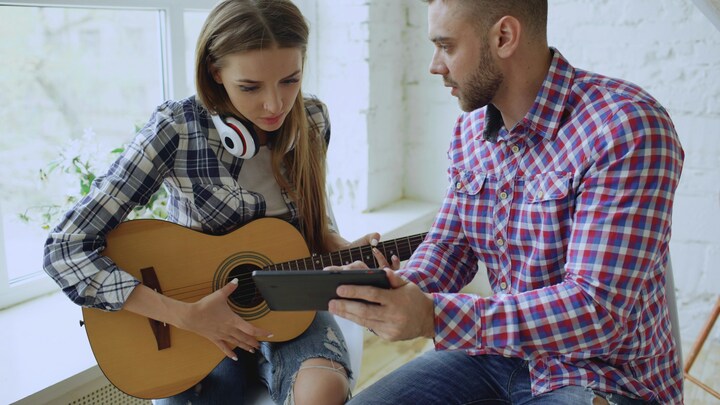
In the vibrant world of YouTalent, where creators showcase everything from paintings to performances, the thrill of sharing talents pulls people in. Yet, that same energy can spark relapse risks for those navigating mental health challenges or substance recovery. This piece explores mastering talent sharing on platforms like YouTalent without tipping into mental burnout, focusing on boundaries during rehab aftercare and igniting creativity to conquer relapse triggers.
Over-posting links directly to anxiety spikes, as recent studies reveal. One analysis of social media habits found emotional triggers like FOMO and separation anxiety drive compulsive posting, heightening relapse vulnerability in recovery journeys. Platforms buzz with potential, but unchecked sharing drains reserves, especially post-rehab. Readers here, often balancing personal struggles with creative expression, need strategies that sustain growth without setbacks.
Why Relapse Looms in Creative Sharing
Talent platforms thrive on constant visibility. Users upload videos, join challenges, and chase likes, mirroring the highs of early recovery euphoria. But patterns emerge: excessive posting correlates with heightened anxiety, per a 2025 PMC study on social media relapse mechanisms. Emotional pulls—instant gratification from comments, fear of missing collaborations—act as subtle triggers, much like old cravings resurfacing.
Consider the cycle. A performer posts daily to build followers, only to spiral when engagement dips. This mirrors behavioral health patterns where over-stimulation leads to exhaustion. For those in aftercare, such habits erode the fragile stability built in behavioral health counseling. Data from healthcare workers during high-stress periods showed a U-curve: moderate sharing aids well-being, but excess fuels burnout and potential relapse.
Recovery experts note this isn't mere fatigue. It's a behavioral loop where dopamine from notifications rivals substance highs. Without intervention, creative pursuits become double-edged, promising connection yet risking isolation when standards slip. Awareness marks the first step; recognizing these ties keeps talents alive without derailing progress.

Current Strategies for Balanced Expression
Platforms like YouTalent offer tools for mindful engagement, yet many overlook them amid the rush. Digital balance discussions highlight detox periods, but recovery demands more: structured boundaries.
Best practices draw from evidence. Limit posts to three weekly, timed for peak energy, avoiding late-night scrolls. YouTalent's scheduling feature aligns perfectly, letting talents queue shares without live pressure. This echoes rehab aftercare protocols, where routines prevent impulsive acts. Gallup's workplace research parallels this: focusing on strengths in teams cuts burnout by distributing loads, applicable to solo creators too.
Real-world examples abound. Artists in sobriety groups report sustained output by batching content—filming multiple videos in one focused session. Such approaches foster resilience, turning platforms into allies rather than adversaries. Transitioning from chaos to control transforms sharing into a stabilizing force.
Practical Steps to Ignite Creativity Safely
Thrive creatively in sobriety starts with deliberate rituals. Begin mornings with five minutes of free sketching or journaling, channeling urges productively before platform dives. Recovery centers promote these as buffers against relapse, with Psyclarity Health noting creativity slashes stress and builds coping.
Craft mindful posting schedules next. Experts recommend theme days: Mondays for motivation clips, Wednesdays for works-in-progress. This curbs over-posting, backed by studies showing routines enhance discipline. Integrate YouTalent groups for feedback, but cap interactions at 30 minutes daily to sidestep anxiety spikes.
Daily creative rituals anchor mental resilience. Evening wind-downs—perhaps strumming a guitar sans recording—reinforce boundaries. Strasair's recovery templates include self-care blocks, proving structured hobbies lower relapse odds. Track progress in a private log, celebrating small wins to mimic positive reinforcement without external validation.
Visual cues like this serene creative space remind users: talent blooms in quiet moments, not constant feeds. Pair it with apps blocking notifications during peak vulnerability hours. Over time, these habits rewire responses, making relapse triggers fizzle.
Navigating Limitations in Recovery Sharing
No strategy fits all; caveats exist. Early sobriety amplifies sensitivities— what energizes one may overwhelm another. Art therapy studies caution that while 38% of programs use it, unreimbursed access limits reach, yet brain network activation endures. Over-reliance on platforms risks echo chambers, where filtered praise masks real growth.
Counterpoints arise too. Some flourish with frequent shares, their social ties as lifelines. A PMC review found moderate SNS use buffers anxiety, but tipping points vary. For dual-diagnosis folks, blending online with offline proves key.
Address isolation head-on. When burnout hints emerge—irritability, skipped meals—pause fully. This isn't failure; it's recalibration. Research underscores: avoidance urges in social media loops predict relapse, so proactive breaks preserve momentum.
Personalized tweaks matter. Test schedules weekly, adjusting for energy dips. Community forums on YouTalent reveal peer hacks, like collaborative posts diluting solo pressure. Limitations teach adaptation, turning potential pitfalls into strengths.
Long-Term Wellness Through Talent Mastery
Synthesizing these threads yields a roadmap: boundaries guard against relapse, creativity fuels forward motion. Platforms like YouTalent shine brightest when wielded intentionally, evolving from stage to sanctuary.
Key takeaways emerge simply. Audit habits monthly, prioritizing rituals over volume. Embrace imperfections—skipped posts don't diminish talent. For deeper support, explore ways to find recovery support.
Questions linger for reflection: What one boundary shifts your sharing today? How might a single ritual redefine resilience? Verified claims here draw from PMC, NIH-linked studies, and recovery centers (e.g., search "social media relapse PMC 2025" for originals). Core insights stem from synthesizing these with practical recovery frameworks; light AI editing aided flow, but analysis and voice remain original.