Choosing the Right Diagnostic Equipment for Irish Healthcare Facilities
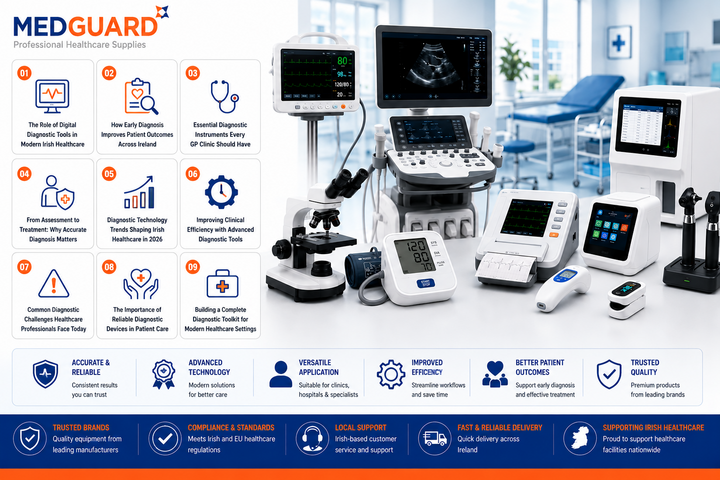
Accurate diagnosis is the foundation of effective healthcare. Whether in hospitals, GP practices, nursing homes, community care settings, or specialist clinics, healthcare professionals depend on reliable diagnostic equipment to assess patients, identify conditions, and make informed treatment decisions. As healthcare needs continue to evolve across Ireland, selecting the right diagnostic equipment has become increasingly important for ensuring quality patient care and operational efficiency.
From routine examinations to complex clinical assessments, the equipment used by healthcare providers plays a vital role in supporting accurate and timely diagnoses. Understanding the key factors involved in choosing diagnostic equipment can help Irish healthcare facilities invest in solutions that deliver long-term value and dependable performance.
Why Diagnostic Equipment Matters
Diagnostic equipment enables healthcare professionals to gather critical information about a patient's health status. Tools such as blood pressure monitors, stethoscopes, otoscopes, thermometers, pulse oximeters, and ECG devices support clinical examinations and help identify potential health concerns early.
When diagnostic equipment provides accurate and consistent results, healthcare professionals can make better clinical decisions. This not only improves patient outcomes but also helps reduce delays, unnecessary referrals, and the risk of misdiagnosis. In busy healthcare environments, dependable equipment contributes to smoother workflows and increased confidence during patient assessments.
Key Considerations When Selecting Diagnostic Equipment
Accuracy and Reliability
One of the most important factors when choosing diagnostic equipment is accuracy. Healthcare professionals rely on precise readings to guide diagnosis and treatment plans. Equipment that delivers consistent and reliable performance can help improve clinical confidence and patient safety.
Healthcare facilities should look for products that meet recognised industry standards and are manufactured by reputable medical device companies. Reliable equipment can minimise errors and support better decision-making across all levels of care.
Ease of Use
Diagnostic tools should be straightforward for healthcare professionals to operate. User-friendly equipment can help reduce training requirements and improve efficiency during patient examinations.
Features such as intuitive controls, clear displays, ergonomic designs, and simplified data management can make a significant difference in fast-paced healthcare environments. Equipment that is easy to use can also help reduce the likelihood of user-related errors.
Durability and Long-Term Value
Healthcare facilities often use diagnostic equipment multiple times each day. As a result, durability is a critical consideration when making purchasing decisions.
Investing in high-quality equipment may result in lower maintenance costs and a longer operational lifespan. Durable devices are particularly important in hospitals, clinics, and community healthcare settings where equipment experiences frequent use.
Compliance and Safety Standards
Medical equipment used in Ireland should comply with relevant healthcare regulations and safety standards. Compliance helps ensure that equipment performs as intended and supports safe patient care.
Before purchasing diagnostic tools, healthcare providers should verify that products meet applicable regulatory requirements and are suitable for professional clinical use.
Common Diagnostic Equipment for Irish Healthcare Facilities
Different healthcare settings require different diagnostic solutions, but several core tools are commonly used throughout the Irish healthcare sector.
Blood Pressure Monitors
Blood pressure monitoring remains a fundamental part of patient assessment. Accurate blood pressure readings can assist healthcare professionals in identifying cardiovascular concerns and monitoring ongoing health conditions.
Stethoscopes
Stethoscopes continue to be one of the most widely used diagnostic instruments in healthcare. They allow clinicians to assess heart, lung, and bowel sounds as part of routine examinations.
Otoscopes and Ophthalmoscopes
These devices help healthcare professionals examine the ears and eyes, supporting the detection of infections, abnormalities, and other medical conditions.
Pulse Oximeters
Pulse oximeters provide quick and non-invasive measurement of blood oxygen saturation levels, making them valuable tools in both primary and acute care settings.
Digital Thermometers
Temperature monitoring plays an important role in identifying infections and assessing patient health. Modern digital thermometers offer fast and reliable readings suitable for various healthcare environments.
Supporting Better Patient Care Through Smart Equipment Choices
The right diagnostic equipment can significantly enhance patient care by enabling faster assessments and more accurate diagnoses. Modern healthcare facilities increasingly seek solutions that support efficiency without compromising clinical quality.
By investing in dependable diagnostic tools, healthcare providers can improve examination processes, strengthen patient confidence, and support better health outcomes. Equipment that delivers accurate information quickly can also help healthcare teams manage growing patient demands more effectively.
Choosing a Trusted Healthcare Supplier
Selecting the right supplier is just as important as choosing the equipment itself. Healthcare facilities benefit from working with suppliers that understand the needs of Irish healthcare professionals and offer access to quality products from trusted manufacturers.
Medguard Healthcare is a recognised supplier of medical equipment and healthcare solutions in Ireland. By providing a wide range of diagnostic and examination tools, Medguard Healthcare supports hospitals, clinics, nursing homes, and healthcare professionals in delivering high standards of patient care.
Conclusion
Choosing the right diagnostic equipment is a critical decision for any healthcare facility. Accuracy, reliability, durability, ease of use, and regulatory compliance should all be considered when evaluating potential solutions. High-quality diagnostic tools help healthcare professionals perform effective patient assessments, support clinical decision-making, and contribute to improved healthcare outcomes.
As Irish healthcare facilities continue to adapt to changing patient needs, investing in reliable diagnostic equipment remains essential. Partnering with experienced suppliers such as Medguard Healthcare can help healthcare providers access the tools they need to deliver safe, efficient, and effective care.
Original Source : https://huffdigest.com/improving-examination-clarity-with-the-right-diagnostic-tools-in-ireland/