How Irish Healthcare Providers Are Managing Rising Medical Equipment Costs Without Compromising Patient Care
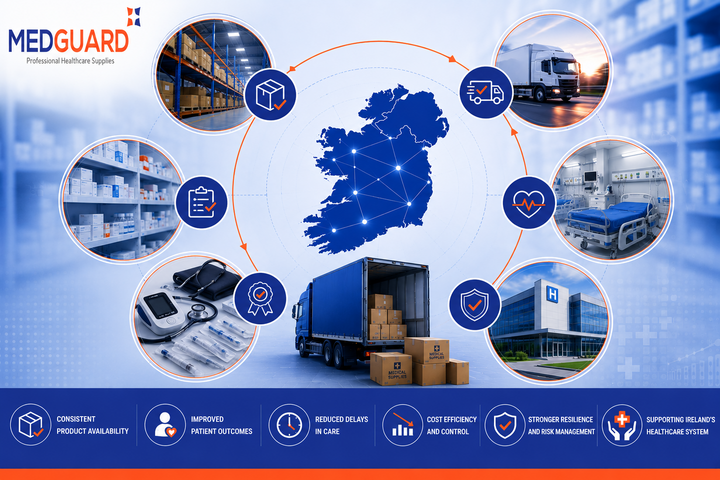
Healthcare providers across Ireland are facing increasing pressure to manage rising medical equipment costs while continuing to deliver high standards of patient care. From diagnostic tools and examination devices to hospital furniture and monitoring systems, the cost of maintaining modern healthcare environments has grown significantly in recent years. Factors such as global supply chain disruptions, increased demand for healthcare products, higher transportation expenses, and inflation have all contributed to these rising costs.
Despite these challenges, hospitals, clinics, and healthcare professionals throughout Ireland are adopting smarter procurement strategies to ensure patients continue receiving reliable and efficient care. Rather than focusing only on reducing expenses, many healthcare facilities are now prioritising long-term value, equipment reliability, and operational efficiency.
Understanding the Rising Cost of Medical Equipment
Medical equipment plays a critical role in patient diagnosis, treatment, and monitoring. However, healthcare facilities are now seeing substantial increases in the cost of essential healthcare products due to several industry-wide factors.
Some of the major contributors include:
- Increased manufacturing costs
- Global shortages of medical components
- Higher shipping and logistics expenses
- Growing demand for advanced diagnostic technology
- Stricter healthcare compliance standards
For healthcare providers in Ireland, these challenges create additional pressure on already stretched budgets. Smaller clinics and independent healthcare facilities often experience even greater difficulty when trying to balance operational costs with patient expectations.
However, reducing equipment quality is not a practical solution. Poor-quality medical tools can affect diagnostic accuracy, staff efficiency, patient safety, and long-term operational costs.
Focusing on Long-Term Value Instead of Short-Term Savings
One of the biggest changes in healthcare procurement strategies is the shift from short-term cost cutting to long-term value assessment. Irish healthcare providers are increasingly evaluating equipment based on durability, performance, maintenance requirements, and lifecycle cost rather than simply selecting the cheapest option available.
While lower-cost equipment may appear financially attractive initially, it can often lead to:
- Frequent breakdowns
- Higher maintenance expenses
- Reduced clinical efficiency
- Equipment replacement costs
- Workflow disruptions
By investing in dependable medical equipment, healthcare facilities can improve operational consistency while reducing long-term financial strain.
This approach helps providers maintain patient care standards while also protecting healthcare budgets over time.
Strengthening Supplier Relationships
Another important strategy being used by healthcare providers across Ireland involves building stronger relationships with trusted medical suppliers. Reliable suppliers help healthcare facilities maintain steady access to essential products while reducing procurement delays and supply shortages.
Strong supplier partnerships can provide several benefits, including:
- More stable product availability
- Better after-sales support
- Faster delivery timelines
- Access to updated medical technologies
- Improved maintenance and servicing assistance
Healthcare facilities are also working more closely with suppliers to forecast future equipment needs and avoid emergency purchasing situations that often lead to higher costs.
By improving supplier communication and planning, healthcare organisations can reduce procurement inefficiencies and improve inventory management.
Using Preventive Maintenance to Reduce Replacement Costs
Preventive maintenance has become a key focus area for many Irish healthcare providers aiming to control equipment-related expenses. Instead of waiting for equipment failure, facilities are implementing scheduled maintenance programs to extend the lifespan of critical medical devices.
Routine inspections and servicing help healthcare teams identify minor technical issues before they become major operational problems. This reduces the likelihood of unexpected equipment downtime, emergency repairs, and costly replacements.
Preventive maintenance also contributes to:
- Improved equipment reliability
- Better clinical performance
- Enhanced patient safety
- Reduced operational disruptions
- Longer product lifespan
For healthcare facilities managing tight budgets, maintaining existing equipment effectively can provide significant long-term financial benefits.
Investing in Multi-Functional Medical Equipment
Many healthcare providers are also investing in multi-functional equipment solutions that support multiple clinical applications. This allows facilities to maximise equipment usage while reducing the need for additional purchases.
Examples include:
- Integrated patient monitoring systems
- Multi-purpose diagnostic tools
- Adjustable examination equipment
- Digital healthcare technologies
Multi-functional solutions can help improve workflow efficiency, reduce storage requirements, and simplify clinical operations.
This approach is especially beneficial for smaller clinics and primary care facilities where space and budget limitations are common.
Improving Procurement Planning and Inventory Management
Better procurement planning is helping healthcare providers avoid unnecessary spending and reduce supply chain disruptions. Many facilities are now using inventory management systems to monitor equipment usage, forecast demand, and prevent over-ordering or shortages.
More accurate procurement planning helps healthcare teams:
- Maintain consistent product availability
- Reduce waste from unused inventory
- Improve budget forecasting
- Minimise urgent purchasing costs
- Support smoother healthcare operations
Data-driven procurement strategies are becoming increasingly important as healthcare organisations aim to improve financial efficiency without compromising clinical performance.
Maintaining Patient Care as the Top Priority
Although financial pressures continue to impact the healthcare sector, patient care remains the primary focus for healthcare providers across Ireland. Medical equipment directly influences diagnostic accuracy, treatment quality, infection control, and overall patient experience.
Healthcare organisations understand that compromising on equipment quality can create larger operational and clinical risks in the future. As a result, many providers are choosing balanced procurement strategies that combine cost management with long-term clinical reliability.
By focusing on smarter purchasing decisions, preventive maintenance, reliable suppliers, and efficient inventory planning, Irish healthcare providers are finding practical ways to manage rising medical equipment costs while continuing to support high-quality patient care.
Conclusion
Rising medical equipment costs present ongoing challenges for healthcare providers throughout Ireland. However, many organisations are adapting through more strategic procurement practices and long-term operational planning.
Rather than prioritising the lowest upfront cost, healthcare facilities are increasingly focusing on value, durability, reliability, and supplier support. These strategies help reduce long-term expenses while ensuring patients continue receiving safe, efficient, and dependable healthcare services.
As the healthcare industry continues to evolve, balanced equipment management will remain essential for maintaining both financial sustainability and high standards of patient care.
Original Source : https://znnews.online/balancing-cost-quality-and-availability-in-medical-supply-chains-in-ireland/