How to Choose a Blood Pressure Monitor in Ireland: A Practical Guide for Home Use
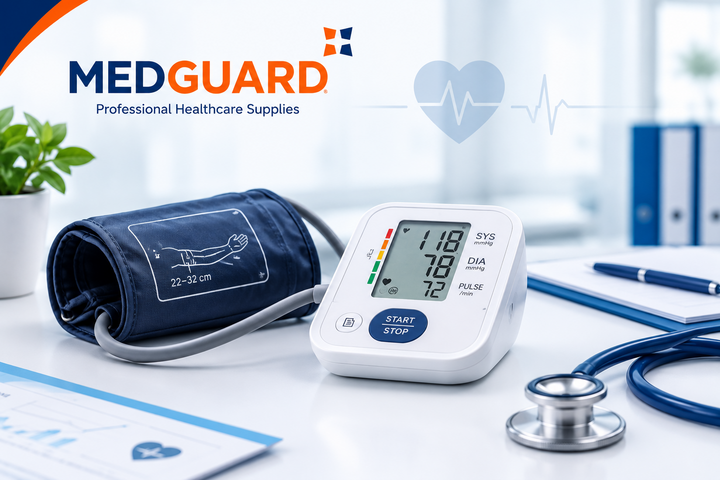
Monitoring your blood pressure at home can make it easier to keep track of your readings and notice changes over time. For many people in Ireland, having a reliable blood pressure monitor at home can also be useful when a GP or healthcare professional recommends regular monitoring.
However, choosing the right blood pressure monitor can be confusing. With different models, cuff sizes, features and price points available, it is important to look beyond appearance or cost alone.
Here are some practical points to consider when choosing a blood pressure monitor for home use.
1. Choose a Monitor Designed for Accurate Readings
Accuracy should be one of your main priorities when buying a blood pressure monitor. A monitor that produces inconsistent readings may make it difficult to understand your blood pressure over time.
Look for a device that has been clinically validated or tested according to recognised standards. If you are unsure which model is suitable, your GP, pharmacist or another healthcare professional can help you choose an appropriate device.
Remember that the monitor is only one part of getting a useful reading. Sitting quietly before measurement, keeping your arm supported and following the manufacturer's instructions can also make a difference.
2. Consider an Upper-Arm Blood Pressure Monitor
Blood pressure monitors are commonly available as upper-arm or wrist models. For routine home monitoring, an upper arm blood pressure monitor is often a practical choice because it measures pressure around the upper arm using a cuff.
Wrist monitors can be convenient and compact, but positioning the wrist correctly is particularly important. Even a small change in positioning can affect the result.
If you are buying your first home blood pressure machine, an upper-arm model may be worth considering, particularly if ease of use and consistent positioning are priorities.
3. Make Sure the Cuff Fits Properly
A good monitor cannot give you a useful reading if the cuff is the wrong size.
Blood pressure cuffs are available in different sizes, so check the manufacturer's recommended arm circumference before purchasing. A cuff that is too tight or too loose can affect the reading.
This is especially important when buying a monitor for another person. Rather than assuming that one standard cuff will fit everyone, measure the upper arm and compare it with the size information supplied with the device.
Some monitors also offer different cuff options, which can be useful for households where more than one person intends to use the machine.
4. Think About Who Will Be Using It
The best blood pressure monitor is not necessarily the one with the most features. It should be a device that the intended user can operate comfortably and correctly.
For example, an older person may prefer a monitor with a large, easy-to-read display and simple controls. Someone who travels frequently might place greater importance on a compact design.
Consider practical questions such as:
- Is the display easy to read?
- Are the buttons straightforward?
- Is the cuff easy to put on?
- Does the monitor provide clear instructions?
- Can the user operate it without assistance?
A straightforward device that is used correctly is generally more useful than a complicated monitor that is difficult to operate.
5. Look at Memory and Multiple-User Features
Some digital blood pressure monitors can store previous readings. This can be helpful if you have been advised to monitor your blood pressure regularly and want to keep track of changes.
Depending on the model, you may find features such as date and time recording, memory storage or separate profiles for different users.
These features are not essential for everyone, so consider whether you will actually use them before paying more for additional functionality.
If you are monitoring your blood pressure as part of advice from a healthcare professional, keeping a record of your readings may make it easier to discuss your results during an appointment.
6. Check the Power Options
Power requirements are easy to overlook when choosing a blood pressure monitor.
Some devices operate using batteries, while others can also be connected to a mains power supply. If the monitor will stay in one place at home, mains operation may be convenient. Battery operation can be useful if you need to move or travel with the device.
Check whether batteries are included and whether the manufacturer recommends a particular type. Understanding the power requirements before buying can prevent unnecessary inconvenience later.
7. Consider the Overall Quality, Not Just the Price
Price is naturally an important consideration when buying healthcare equipment, but the cheapest blood pressure monitor may not always be the most suitable option.
Instead of choosing based solely on price, consider the device's accuracy, cuff compatibility, usability, warranty, instructions and available support.
Buying from an established healthcare supplier can also give you greater confidence that you are purchasing a product intended for healthcare use.
At Medguard Healthcare, the focus is on providing healthcare products that meet the practical needs of individuals, carers and healthcare professionals across Ireland.
8. Know When to Ask a Healthcare Professional
A home blood pressure monitor can help you record readings, but it should not replace professional medical advice.
If you have been asked to monitor your blood pressure by your GP or another healthcare professional, follow their instructions about when and how frequently to take readings.
If you are concerned about your blood pressure readings, speak with your GP or healthcare professional rather than trying to interpret repeated high or low readings on your own.
Choosing the Right Blood Pressure Monitor for Your Home
Choosing a blood pressure monitor in Ireland does not have to be complicated. Start with the basics: look for a reliable device, select the correct cuff size, consider who will use it and choose features that genuinely make home monitoring easier.
For many households, an easy-to-use upper-arm digital blood pressure monitor with a correctly fitted cuff can provide a practical way to record readings at home.
Taking a little time to compare these factors before purchasing can help you choose a blood pressure machine that suits your needs and is easier to use consistently. If you are unsure which type is appropriate for you, speaking with a GP, pharmacist or healthcare professional is a sensible next step.
Original Source :https://pdplex.blog/buying-a-blood-pressure-monitor-in-ireland-7-things-to-check-before-you-choose/