Hygiene Products and Their Role in Infection Prevention
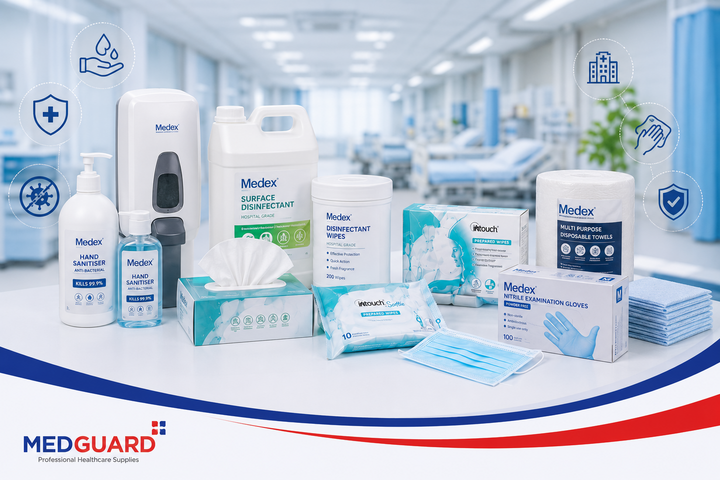
Infection prevention is one of the most important aspects of delivering safe and effective healthcare. Whether in hospitals, GP surgeries, dental clinics, nursing homes, or other healthcare settings, maintaining high hygiene standards helps reduce the spread of harmful microorganisms and protects both patients and healthcare professionals. While proper protocols and staff training play a vital role, the use of reliable hygiene products remains the foundation of every successful infection prevention strategy.
Healthcare-associated infections (HAIs) continue to be a concern worldwide, affecting patient recovery, increasing healthcare costs, and placing additional pressure on medical services. By combining evidence-based practices with high-quality hygiene products, healthcare facilities can create safer environments and improve the quality of care they provide.
Why Infection Prevention Matters
Every healthcare environment is exposed to bacteria, viruses, and other pathogens that can spread through direct contact, contaminated surfaces, or medical equipment. Without effective infection prevention measures, these microorganisms can quickly spread from one person to another, increasing the risk of illness and complications.
Strong infection prevention practices not only protect patients but also safeguard healthcare workers, visitors, and support staff. They help reduce avoidable infections, improve patient confidence, and support compliance with recognised healthcare standards. Investing in the right hygiene solutions is therefore an investment in safer healthcare.
Essential Hygiene Products for Healthcare Settings
Healthcare facilities rely on a wide range of hygiene products to maintain cleanliness and minimise the risk of cross-contamination. Every product serves a specific purpose in supporting infection prevention throughout daily clinical operations.
Some of the most commonly used hygiene products include:
- Alcohol-based hand sanitisers for effective hand hygiene.
- Disposable gloves to minimise direct contact with contaminants.
- Surface disinfectants for cleaning high-touch areas.
- Antibacterial wipes for quick and effective sanitation.
- Protective aprons and masks to reduce exposure risks.
- Clinical waste bags for the safe disposal of contaminated materials.
Using these products correctly and consistently helps maintain a hygienic environment while supporting infection prevention across different healthcare settings.
Hand Hygiene: The First Line of Defence
Hand hygiene remains one of the simplest yet most effective ways to prevent the spread of infections. Healthcare professionals frequently interact with patients, equipment, and shared surfaces throughout the day, making proper hand cleaning essential.
Washing hands with soap and water or using an alcohol-based hand sanitiser before and after patient contact significantly reduces the transfer of harmful microorganisms. Easy access to hand hygiene stations encourages better compliance among healthcare workers and visitors alike.
Providing quality hand hygiene products throughout a facility ensures that infection prevention becomes part of everyday clinical practice rather than an occasional reminder.
Maintaining Clean and Disinfected Surfaces
Frequently touched surfaces such as examination tables, door handles, bed rails, medical devices, and reception counters can become sources of contamination if not cleaned regularly. Routine cleaning combined with appropriate disinfectants helps eliminate pathogens before they have the opportunity to spread.
Choosing effective hygiene products specifically designed for healthcare environments supports consistent cleaning protocols while protecting both patients and staff. Regular cleaning schedules, combined with proper product selection, contribute to safer treatment areas and reduce the likelihood of cross-contamination.
The Importance of Personal Protective Equipment
Personal protective equipment (PPE) forms another essential component of infection prevention. Disposable gloves, masks, gowns, and protective eyewear provide a barrier between healthcare workers and potential contaminants during examinations and medical procedures.
However, PPE is only effective when used correctly and replaced as recommended. Healthcare organisations should ensure that staff receive regular training on the correct selection, use, and disposal of protective equipment. Combining PPE with other hygiene practices creates a more comprehensive approach to infection prevention.
Supporting Better Healthcare with Medguard Healthcare
Selecting dependable suppliers is just as important as choosing the right products. Medguard Healthcare supplies a wide range of quality hygiene products designed to support hospitals, clinics, nursing homes, and other healthcare providers in maintaining high standards of cleanliness and infection prevention.
From hand hygiene solutions and surface disinfectants to personal protective equipment and everyday clinical essentials, Medguard Healthcare provides reliable products that help healthcare professionals deliver safer patient care. Using trusted products ensures consistent performance while supporting healthcare facilities in meeting their infection control objectives.
Creating a Culture of Hygiene
Effective infection prevention goes beyond purchasing the right supplies. It requires a culture where hygiene is valued by every member of the healthcare team.
Healthcare organisations can strengthen their infection prevention efforts by:
- Providing ongoing staff education and training.
- Encouraging regular hand hygiene compliance.
- Following cleaning and disinfection schedules.
- Monitoring infection prevention procedures.
- Ensuring hygiene products are always readily available.
- Promoting shared responsibility for maintaining a clean environment.
When everyone follows the same high standards, healthcare facilities become safer places for patients, visitors, and employees alike.
Conclusion
Infection prevention is an ongoing responsibility that requires the right combination of knowledge, procedures, and reliable hygiene products. From hand hygiene and surface disinfection to the correct use of personal protective equipment, every step plays an important role in reducing the spread of infections and protecting public health.
By choosing quality solutions from Medguard Healthcare, healthcare providers can confidently support safer clinical environments while improving patient care and operational efficiency. Investing in dependable hygiene products today helps build healthier, safer healthcare facilities for the future.
Original Source: https://ecomotion.ae/supporting-safer-healthcare-through-infection-control/