Custom Designed Cups Made from Durable Plastic
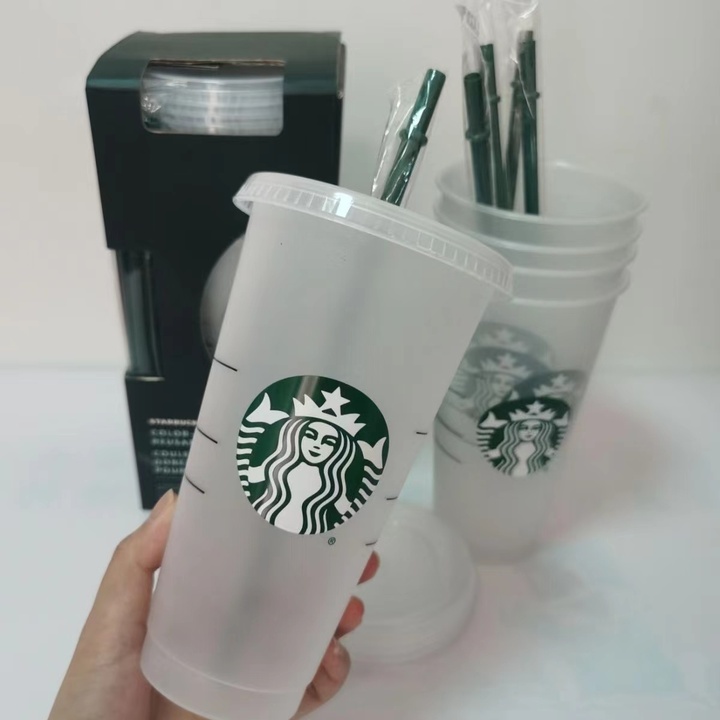
The shift in the beverage industry over the last five years hasn’t just been about what’s inside the glass; it’s about the structural integrity of the vessel holding it. In my years navigating the complexities of product fulfillment, I’ve seen countless brands undermine a premium product by opting for flimsy, "disposable-first" containers that fail the moment a customer steps out the door.
When we talk about Custom Plastic Cups, we aren't just talking about a logo on a surface. We are talking about a critical touchpoint in the supply chain that balances aesthetic branding with high-performance polymer durability.
Beyond the "Disposable" Stigma: The Case for Durability
In the fulfillment world, "durable" isn't a marketing buzzword, it’s a technical requirement. A cup that cracks under the pressure of a lid application or shatters during high-speed transport is a liability. Transitioning to heavy-gauge, BPA-free plastics like PET (Polyethylene Terephthalate) or PP (Polypropylene) has become the gold standard for high-volume service.
PET, in particular, offers that glass-like clarity that consumers associate with premium quality, but with the impact resistance needed for a fast-paced environment. From a consultant’s perspective, the "crunch test" is real. If a customer picks up a drink and the sidewalls of the cup give way, the perceived value of the brand drops instantly. Durable plastics provide that necessary tactile rigidity that says "this was worth the price."
The Engineering of Customization
One of the most common mistakes I see brands make is treating the design process as a 2D exercise. They hand off a flat vector file to a printer and wonder why the logo looks warped on a tapered surface. True custom design requires an understanding of dry-offset printing vs. digital UV printing.
-
Dry-Offset Printing: Best for high-volume runs where cost-per-unit is the primary KPI. It’s efficient but requires a keen eye for line weights to avoid "bleeding" on the plastic surface.
-
Digital UV Printing: This is the game-changer for short-run seasonal campaigns. It allows for high-resolution graphics that don't scratch off during condensation cycles.
When you invest in Custom Plastic Cups, you are essentially buying a mobile billboard. However, if the ink isn't formulated to bond with the specific resin of the cup, you’ll deal with "flaking" a nightmare for any food safety audit and a disaster for brand reputation.
The Fulfillment Logistics: Bulk vs. Just-in-Time
Managing inventory for custom packaging is a balancing act. Plastic, while durable, is bulky. It occupies a significant "cube" in a warehouse, which drives up storage costs. This is where my experience in supply chain optimization kicks in.
I’ve seen mid-sized franchises struggle because they over-ordered custom stock to hit a price break, only to realize they didn’t have the climate-controlled square footage to store it without the bottom tiers of the pallets warping under the weight. Working with a sophisticated partner like IBEX Packaging can alleviate these bottlenecks. Professional fulfillment entities understand how to stage production so that you aren't paying to store air, ensuring that your custom-designed vessels arrive exactly when the demand spikes, not six months early.
Opinion: Sustainability is Often Mismanaged
Here is an unpopular opinion in the industry: "Compostable" isn't always better. Many brands rush into PLA (Polylactic Acid) plastics because they want the green credential, but they ignore the fulfillment reality. PLA has a low heat-distortion temperature. I have seen entire shipments of bioplastic cups melt into a singular blob inside a hot shipping container during a July transit.
Furthermore, unless your local municipality has industrial composting infrastructure, those "green" cups end up in a landfill where they won't break down anyway. For most of my clients, I recommend high-quality, recyclable PET. It’s more durable, survives the shipping gauntlet better, and actually fits into the existing circular economy of plastic reclamation.
Common Pitfalls in Custom Plastic Packaging
After auditing dozens of supply chains, these are the three most frequent errors I encounter:
-
Ignoring Lid Compatibility: It sounds entry-level, but you would be shocked at how many brands source their cups from one vendor and lids from another, only to find a 0.5mm variance that causes chronic leaking. Always source your "system" (cup and lid) from a single manufacturer to ensure a "snap-fit" seal.
-
Neglecting the Bottom Rim: The stacking lugs at the bottom of a cup are vital for denesting (separating the cups from the stack). If the design is poor, the cups "vacuum lock" together, slowing down service speeds and frustrating baristas or servers.
-
Underestimating Lead Times: Customization adds layers of QC (Quality Control). If you need Custom Plastic Cups for a festival in June, you should have signed off on the strike-off samples in February. Rushing the curing process for inks often leads to "ghosting," where the image of one cup transfers to the back of the cup stacked inside it.
The Tactile Brand Experience
We live in a "Post-Instagram" world where the aesthetic of the packaging is often as important as the product itself. A durable, custom-designed cup acts as a physical bridge between the digital brand and the physical consumer. When a cup feels sturdy in the hand, it subconsciously signals that the company cares about the "last mile" of the consumer experience.
In the fulfillment sector, we look at "unboxing" even for a simple cold brew. Is the plastic crystal clear? Is the print registered correctly without color shifts? Does the cup sit level on a table, or is the base uneven? These micro-details are what separate a professional operation from a hobbyist brand.
Conclusion
If you are looking to scale, stop thinking about your packaging as a cost center and start viewing it as a functional asset. Custom plastic cups aren't just about preventing spills; it's about maintaining the integrity of your brand's visual identity from the warehouse to the waste bin.
The transition from generic to custom is a rite of passage for growing businesses. By focusing on material science, printing precision, and smart logistics, you ensure that your investment doesn't just hold a drink, it holds the customer's attention.