Mastering Spot Weld Aluminium: Techniques, Applications, and Best Practices
Posted by Harry Brook
Filed in Business 488 views
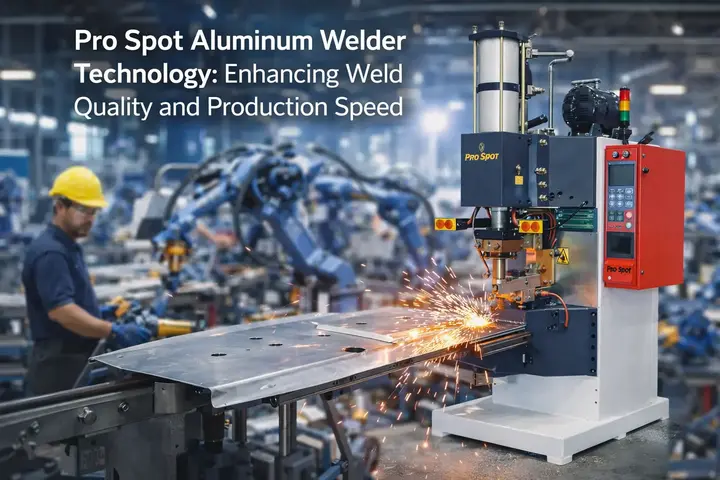
Spot welding aluminium is a critical process in modern manufacturing, offering a fast, reliable, and cost-effective method to join aluminium components. As industries increasingly adopt lightweight materials for automotive, aerospace, and industrial applications, understanding the nuances of aluminium spot welding has never been more important. At Heron Welder, we provide advanced resistance welding machines and automated solutions designed specifically for high-precision aluminium joining.
In this guide, we will explain the principles of spot welding aluminium, its applications, key challenges, equipment considerations, and best practices to optimize performance.
What is Spot Welding Aluminium?
Spot welding is a form of resistance welding, where two metal sheets are joined by applying heat generated from electrical resistance and mechanical pressure. The process involves:
-
Placing the aluminium sheets between two copper alloy electrodes.
-
Applying a controlled electric current, generating heat at the contact point.
-
Applying pressure via the electrodes to fuse the metals, creating a weld nugget.
Aluminium presents unique challenges compared to steel, including higher thermal conductivity, lower electrical resistance, and surface oxide layers. These factors require specialized equipment and precise process control to achieve consistent weld quality.
Key Challenges of Spot Welding Aluminium
1. High Thermal Conductivity
Aluminium dissipates heat faster than steel, meaning standard spot welding settings may result in weak welds.
2. Surface Oxide Layer
Aluminium naturally forms an oxide layer that is electrically resistant. Without proper electrode force or pre-cleaning, this layer can prevent proper fusion.
3. Electrode Wear
Soft aluminium can stick to electrodes, increasing maintenance frequency. Heron’s advanced electrode designs and coating solutions mitigate this issue, ensuring longer service life and consistent weld quality.
4. Process Parameter Sensitivity
Current, pressure, and welding time must be precisely controlled. Even minor deviations can lead to incomplete welds, cracking, or excessive spatter.
Applications of Aluminium Spot Welding
Spot welding aluminium is widely used in industries requiring lightweight, high-strength assemblies:
-
Automotive Manufacturing: Aluminium body panels, chassis components, and battery enclosures for electric vehicles (EVs).
-
Aerospace Components: Aircraft fuselage panels, brackets, and structural frames.
-
Consumer Electronics: Lightweight frames for appliances and electronic devices.
-
Industrial Equipment: Aluminium housings, conveyors, and structural supports.
Heron Welder’s MFDC and capacitor discharge spot welding machines are ideal for these applications, providing precise energy control and rapid cycle times.
Spot Weld Aluminium vs. Steel: Key Differences
| Feature | Aluminium | Steel |
|---|---|---|
| Electrical Resistance | Low (requires higher current) | Higher (standard current works) |
| Thermal Conductivity | High (heat dissipates quickly) | Lower (heat stays localized) |
| Surface Oxide Layer | Thick, electrically resistant | Thin, less conductive barrier |
| Electrode Life | Shorter, requires special alloys | Longer, standard copper alloys |
These differences necessitate specialized spot welding equipment when working with aluminium, such as machines with adjustable MFDC current profiles, electrode cooling systems, and automation-ready interfaces for high-volume production.
Best Practices for Spot Welding Aluminium
-
Surface Preparation: Remove oils, dirt, and oxides for maximum weld consistency.
-
Use MFDC Welding Machines: Mid-Frequency Direct Current (MFDC) machines allow precise control over heat input, ideal for thin aluminium sheets.
-
Optimize Electrode Geometry: Copper-chromium or copper-tungsten electrodes reduce sticking and extend life.
-
Control Welding Parameters: Adjust current, pressure, and weld time based on sheet thickness and alloy type.
-
Automation Integration: Use robotic arms or production line integration for consistent weld quality and higher throughput.
-
Regular Maintenance: Inspect electrodes and cooling systems frequently to avoid production delays.
Heron Welder provides customized welding solutions, including fully automated spot welding cells, designed for high-volume aluminium assembly with minimal operator intervention.
Advanced Techniques for Aluminium Spot Welding
1. Capacitor Discharge Spot Welding
For very thin aluminium sheets, capacitor discharge welding delivers fast, controlled pulses, minimizing heat distortion and maximizing precision.
2. Pulse-Controlled MFDC Welding
Allows multiple short pulses with controlled cooling intervals, reducing electrode wear and preventing cracks.
3. Robotic Automation
Integrating spot welding into automated production lines ensures consistent weld quality, reduces cycle time, and improves workplace safety.
Heron Welder’s automation-ready spot welding machines are engineered for these advanced techniques, providing high reliability in industrial manufacturing environments.
Frequently Asked Questions (FAQs)
Q1: Can all aluminium alloys be spot welded?
A: Most commercial alloys can be spot welded, but high-strength alloys may require preheating or specialized MFDC settings to prevent cracking.
Q2: How thick can aluminium sheets be for spot welding?
A: Typically, aluminium sheets between 0.8 mm to 3 mm are ideal, but thicker sheets can be welded using multi-pulse or higher-capacity MFDC machines.
Q3: Why does aluminium stick to electrodes?
A: Sticking occurs due to the oxide layer and soft metal surface. Using proper electrode material, shape, and cooling reduces sticking.
Q4: How does MFDC welding improve aluminium weld quality?
A: MFDC provides precise current control and adjustable pulse sequences, essential for handling aluminium’s high thermal conductivity and low resistance.
Q5: Can spot welding aluminium be automated?
A: Yes, robotic and conveyor-based automation ensures repeatable, high-speed welds with minimal operator intervention. Heron Welder designs custom automated lines for various production scales.
Partner with Heron for Aluminium Spot Welding Excellence
Spot welding aluminium demands precision, expertise, and the right equipment. Heron Welder offers industry-leading resistance welding machines, controllers, and automation solutions engineered for high-performance aluminium joining. Whether you are an OEM, production engineer, or automation integrator, our customized welding solutions help optimize quality, throughput, and reliability.
Contact Heron today to request a quote or consult our engineers for tailored aluminium spot welding and automation solutions that meet your production goals.