Non-Diabetic Foot Ulcers: Why They're More Serious Than You Think
Posted by John Bailey
Filed in Health 354 views
Introduction
When people hear the term “foot ulcer,” they usually associate it with diabetes. While diabetic foot ulcers are common, many individuals are surprised to discover that foot ulcers can also occur in people without diabetes. If you want to learn about non-diabetic foot ulcers, it is important to understand that these wounds can still become severe and potentially life-threatening if left untreated.
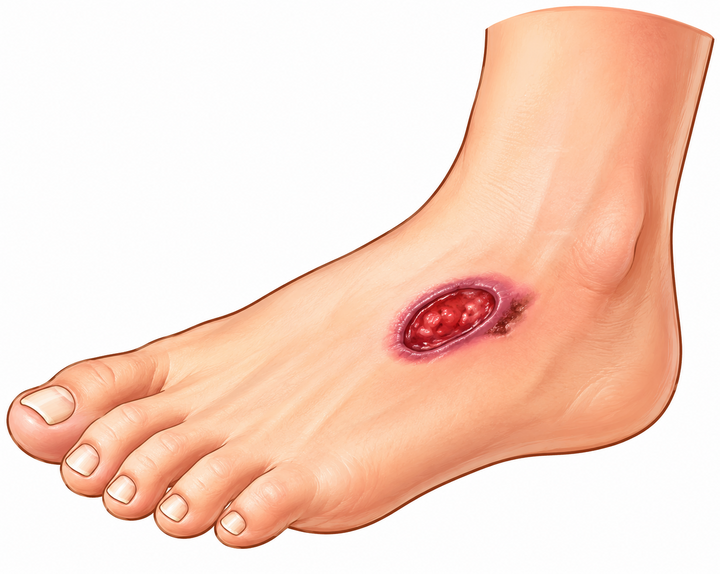
A non-diabetic foot ulcer is an open sore or wound that develops on the foot due to poor circulation, pressure, nerve damage, injury, or underlying medical conditions unrelated to diabetes. Because these ulcers are often overlooked or underestimated, treatment may be delayed, increasing the risk of infection, tissue damage, and chronic complications.
Non-diabetic foot ulcers can affect mobility, quality of life, and overall health. Understanding their causes, symptoms, risks, and treatment options can help patients seek care early and avoid serious outcomes.
What Are Non-Diabetic Foot Ulcers?
A foot ulcer is an open wound that penetrates the skin and may extend into deeper tissues. Unlike minor cuts or blisters, ulcers heal slowly and can worsen over time if not treated properly.
Non-diabetic foot ulcers occur in people who do not have diabetes but may still experience conditions that impair skin integrity, circulation, or nerve function.
Common Locations of Foot Ulcers
These ulcers often appear on areas exposed to repeated pressure or friction, including:
- The heel
- The ball of the foot
- Toes
- Sides of the foot
- Ankles
Some ulcers begin as small sores, blisters, or calluses that gradually break down into deeper wounds.
Why Non-Diabetic Foot Ulcers Are Often Overlooked
Many people assume foot ulcers are only dangerous for individuals with diabetes. This misconception can delay diagnosis and treatment in non-diabetic patients.
Lack of Early Concern
Without a diabetes diagnosis, patients may dismiss symptoms such as:
- Minor swelling
- Redness
- Foot pain
- Skin discoloration
- Small wounds
As a result, ulcers may continue worsening unnoticed.
Delayed Medical Attention
Some individuals attempt home remedies or ignore symptoms entirely, believing the wound will heal on its own. Unfortunately, untreated ulcers may progress into serious infections or chronic wounds.
Common Causes of Non-Diabetic Foot Ulcers
Several conditions and risk factors can contribute to ulcer development in non-diabetic individuals.
Poor Circulation
Reduced blood flow is one of the leading causes of foot ulcers.
Peripheral Artery Disease (PAD)
PAD occurs when narrowed arteries limit blood supply to the legs and feet. Without adequate oxygen and nutrients, skin tissue becomes vulnerable to breakdown and delayed healing.
Symptoms may include:
- Cold feet
- Leg pain during walking
- Weak pulses
- Slow wound healing
Pressure and Friction
Constant pressure or rubbing can damage the skin over time.
Contributing Factors
- Tight shoes
- Ill-fitting footwear
- Standing for long periods
- Foot deformities
- Repetitive movement
Pressure injuries are especially common in older adults and individuals with limited mobility.
Nerve Damage
Neuropathy can occur even without diabetes.
Causes of Non-Diabetic Neuropathy
- Alcohol misuse
- Vitamin deficiencies
- Autoimmune disorders
- Spinal cord conditions
- Certain medications
When sensation decreases, patients may not notice cuts, burns, or blisters until they worsen.
Venous Insufficiency
Poor vein function can cause blood pooling in the legs, leading to swelling and skin breakdown.
Symptoms of Venous Disease
- Leg swelling
- Skin discoloration
- Aching pain
- Thickened skin
- Ulcers near the ankles
Trauma and Injuries
Even small injuries can become problematic when healing is impaired.
Examples include:
- Cuts
- Puncture wounds
- Burns
- Blisters
- Scrapes
Why Non-Diabetic Foot Ulcers Can Become Dangerous
Although diabetes increases ulcer risks, non-diabetic ulcers can still lead to serious complications.
Risk of Severe Infection
Open wounds provide bacteria with direct access to deeper tissues.
Signs of Infection
- Redness
- Swelling
- Warmth
- Drainage
- Foul odor
- Fever
If untreated, infections may spread into muscles, bones, or the bloodstream.
Delayed Healing
Poor circulation and repeated pressure often slow healing significantly.
Some ulcers remain open for weeks or months, increasing the risk of chronic complications.
Tissue Damage and Necrosis
As ulcers deepen, nearby tissue may begin to die due to poor oxygen supply or infection.
Serious Complications Include:
- Gangrene
- Bone infection (osteomyelitis)
- Permanent tissue damage
Severe cases may eventually require surgery or amputation.
Reduced Mobility
Foot ulcers can make walking painful and difficult.
Impact on Daily Life
Patients may struggle with:
- Standing for long periods
- Exercising
- Working
- Performing household tasks
Reduced mobility can also affect overall cardiovascular health and emotional well-being.
Emotional and Psychological Effects
Living with a chronic foot ulcer can create emotional stress and frustration.
Common Emotional Challenges
- Anxiety
- Depression
- Fear of worsening symptoms
- Social isolation
Long-term wound care and mobility limitations may significantly impact quality of life.
Symptoms You Should Never Ignore
Recognizing early warning signs can help prevent complications.
Common Symptoms of a Foot Ulcer
- Open sores
- Redness
- Drainage
- Persistent pain
- Swelling
- Skin discoloration
- Thickened calluses
- Slow-healing wounds
Signs of a Medical Emergency
Seek immediate medical attention if you notice:
- Blackened skin
- Severe swelling
- Fever
- Spreading redness
- Pus drainage
- Foul odor
- Sudden increase in pain
These symptoms may indicate severe infection or poor blood supply.
Diagnosing Non-Diabetic Foot Ulcers
Healthcare providers use several methods to evaluate foot ulcers and identify underlying causes.
Physical Examination
Doctors examine:
- Ulcer size
- Depth
- Tissue appearance
- Signs of infection
- Blood circulation
Imaging Tests
X-rays or MRIs may be needed to assess:
- Bone involvement
- Deep tissue infection
- Structural abnormalities
Circulation Testing
Blood flow studies help identify vascular disease or arterial blockages.
Laboratory Tests
Blood tests and wound cultures may help detect infection and other contributing conditions.
Treatment Options for Non-Diabetic Foot Ulcers
Treatment depends on the ulcer’s severity, location, and underlying cause.
Wound Cleaning and Debridement
Removing dead tissue helps promote healing and reduce bacterial growth.
Importance of Debridement
Healthy tissue heals more effectively when damaged tissue is removed.
Infection Control
Patients with infected ulcers may require:
- Antibiotics
- Specialized wound dressings
- Drainage procedures
Severe infections may require hospitalization.
Offloading Pressure
Reducing pressure on the ulcer is critical for healing.
Offloading Methods Include:
- Special footwear
- Orthotics
- Protective padding
- Mobility aids
Improving Blood Flow
Patients with poor circulation may need treatments such as:
- Medications
- Smoking cessation
- Exercise programs
- Vascular surgery
Advanced Wound Therapies
Some chronic ulcers respond well to specialized wound care treatments.
Advanced Treatment Options
- Hyperbaric oxygen therapy
- Skin substitutes
- Growth factor therapy
- Negative pressure wound therapy
Preventing Non-Diabetic Foot Ulcers
Prevention is one of the most effective ways to reduce complications.
Practice Daily Foot Care
Regular foot inspections help identify problems early.
Check for:
- Cuts
- Blisters
- Swelling
- Redness
- Dry or cracked skin
Wear Proper Footwear
Supportive shoes help reduce pressure and friction.
Helpful Tips
- Avoid tight shoes
- Wear cushioned socks
- Replace worn-out footwear
- Choose shoes with proper support
Maintain Healthy Circulation
Good circulation supports wound healing and tissue health.
Healthy Habits Include:
- Staying active
- Managing blood pressure
- Avoiding smoking
- Controlling cholesterol
Seek Early Treatment
Prompt medical care can prevent small wounds from becoming severe ulcers.
Who Is Most at Risk?
Certain individuals are more likely to develop non-diabetic foot ulcers.
Higher-Risk Groups Include:
- Older adults
- Smokers
- People with vascular disease
- Individuals with neuropathy
- Patients with mobility limitations
- Those with previous foot ulcers
Regular foot evaluations are especially important for high-risk individuals.
Conclusion
Non-diabetic foot ulcers are far more serious than many people realize. Although they are not linked to diabetes, these ulcers can still lead to severe infections, chronic pain, tissue damage, mobility problems, and even amputation if left untreated.
Early recognition, proper wound care, improved circulation, and regular medical monitoring play an essential role in preventing complications. Understanding the risks associated with non-diabetic foot ulcers can help patients seek treatment sooner and improve healing outcomes.
For individuals interested in emerging wound care therapies and advanced treatment approaches, participation in a Northshore diabetic foot ulcer research program may provide access to innovative care options designed to improve healing and reduce long-term complications associated with chronic foot