How To Control Costs On A Construction Site
Posted by Dawson Calvin
Filed in Business 480 views
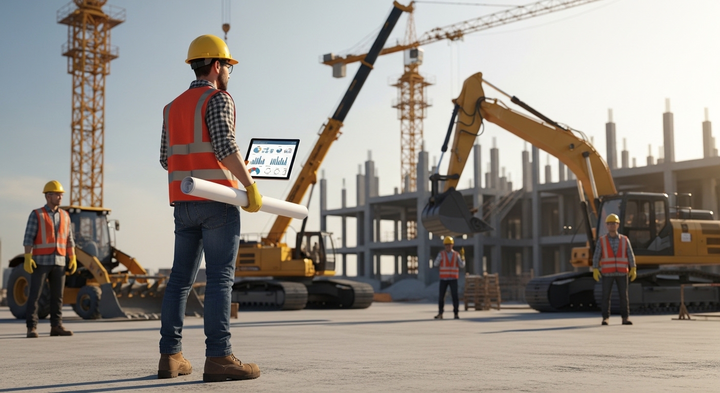
Construction costs can be controlled by accurate pre-construction planning, precise estimating, disciplined procurement, efficient labor management, real-time cost tracking, and strict change-order control. Smart planning and on-site discipline in a project always lead to the protection of the profit margin.
Cost control is no longer a finance-only task; it is a routine operation responsibility of project managers, site supervisors, contractors, and estimators, not only in the US but all over the world.
Why Cost Control Is A Major Concern In Us Construction
Construction projects in the US are under considerable financial pressure. If costs are not controlled proactively, an increase in material prices, shortage of skilled labor, unstable supply chain, and strict adherence to regulatory compliance can easily turn a profitable job into a loss.
Most of the time, cost overruns are not the result of a single huge mistake but rather a combination of small mistakes: inaccurate estimates, delayed approvals, inefficient labor scheduling, or uncontrolled change orders. That is why, to be effective, cost control has to be initiated before the actual work starts and maintained up to the final closeout.
Partnering early with a construction estimating company helps establish strong cost discipline from day one, since professional estimating services handle detailed quantity takeoffs, develop realistic budgets, and deliver risk-aware cost forecasts that reflect real U.S. market conditions.
Pre-Construction Planning: The Foundation of Cost Control
Defining The Project Scope Clearly
A clear scope definition is the first defense against cost overruns. When drawings, specifications, and responsibilities are well defined, the chances of disputes, rework, and unexpected expenses drop significantly.
Within the US construction industry, an imprecise scope results in claims, delays, and a corresponding growth in change orders. A thorough scope brings together owners, designers, contractors, and subcontractors on the same page from day one.
Creating A Realistic And Detailed Budget
An effective budget goes beyond just presenting a single figure. It should classify the costs incurred into categories such as labor, materials, equipment, subcontractor trades, permits, insurance, and overhead.
The table below illustrates how a properly organized construction budget can enhance cost visibility.
|
Budget Component |
Purpose |
Cost Control Benefit |
|
Labor Costs |
Wages, overtime, benefits |
Prevents overstaffing and overtime abuse |
|
Material Costs |
All construction materials |
Avoids over-ordering and waste |
|
Equipment Costs |
Owned and rented equipment |
Reduces idle or unnecessary rentals |
|
Subcontractor Costs |
Trade-specific work |
Improves bid comparison |
|
Contingency |
Risk allowance |
Protects against unexpected events |
Accurate Quantity Takeoffs
Accurately measured quantity takeoffs ensure that materials are properly ordered and have the right price. Mistakes at this stage may cause shortages, overstocking, or increased costs later.
Correct takeoffs are very important for US projects where material prices change often, and storage costs can be high.
Value Engineering Without Compromising Quality
Value engineering is all about delivering the same level of performance at a lower cost. It is not about blindly using cheap materials; rather, it means looking for alternatives that comply with US building codes but are less expensive.
Alternative framing systems, energy-efficient materials combined with long-term savings, or prefabricated components can be examples of lowering the overall costs of a project and improving its efficiency at the same time.
If value engineering is done at an early stage, it will definitely stop expensive redesigns during the construction phase.
Procurement Strategies That Reduce Costs
Competitive Bidding And Vendor Selection
The contractor can compare price, delivery time, and reliability if they get multiple bids from different US suppliers and subcontractors. However, the lowest price should not be the main factor for choosing the winner among the most experienced and reliable.
Strategic Supplier Relationships
Having longstanding relationships with suppliers that you can rely on often leads to getting better prices, prioritized deliveries, and fewer disputes. Such partnerships can be a great support in times of material shortages.
Just-in-Time Material Delivery
With just-in-time delivery, the need for on-site storage is basically eliminated, theft risk is reduced, and damage to materials is prevented. This method is very suitable for very busy US urban job sites where there is a problem of a lack of space.
Controlling Material Waste On Site
Material waste is an issue that doesn’t get as much attention as it probably should. Inefficient storage, incorrect cutting, and a lack of supervision lead to closing losses.
Through a daily tracking of what materials have been used and then a comparison of those with the materials that were estimated, the project team can early recognize the wastage. Disposal costs can be lowered by recycling schemes and good storage methods, not to mention the fact that these two old methods also align with the US market trend of sustainability.
Labor Cost Management In The Us Market
Tracking Labor Productivity
Labor constitutes one of the biggest cost centers in US construction. It is by measuring labor productivity that inefficiencies can be caught in time before making the rest of the budget suffer.
Reports daily that take into account the hours that the crew has exerted against the kind and amount of work that the crew has done turn out to be a great tool for checking workers' performance.
Smart Scheduling To Reduce Overtime
Working overtime can wipe out a lot of profits very quickly. By proper scheduling, the crew is kept busy during the standard working hours, and burnout is prevented.
Assigning The Right Skills To The Right Tasks
A shortage of skilled labor makes it even more imperative that workers are used efficiently. Giving specialized tasks to professionals who are trained for those particular tasks will result in fewer mistakes and less time spent on redoing work.
Safety And Compliance As Cost Control Tools
By ensuring OSHA compliance and training employees in safety, the number of accidents, claims from insurance and third party, and project interruptions/dropouts is reduced. Places that are safe to work at are not only morally better, but they are also more financially sustainable.
Equipment And Site Operations Cost Control
Equipment Planning And Maintenance
Unplanned equipment breakdown can cause delays and result in expensive equipment rentals. Regular maintenance and monitoring of usage can help minimize the downtime of the equipment.
Monitoring Equipment Utilization
Less work means more waste when it comes to equipment. Therefore, monitoring equipment usage helps to understand whether the equipment is used enough and put back into storage as soon as it is not needed.
Real-Time Cost Tracking And Financial Control
Comparing Actual Costs Vs Budget
With real-time cost monitoring, project managers no longer have to guess how much money has been spent and where the budget might be exceeded. If the difference is caught early, the team still has time to fix the situation.
Using Construction Management Software
Current programs allow US construction companies to easily consolidate plans, budgets, workforce records, and supplier invoices in one place. When everyone has access to the same information, there are fewer misunderstandings, and people become more responsible.
Change Order Management: A Critical Cost Control Area
Changes are part of every construction project, but without good management, they can lead to budget blowouts. The point is to ensure that all changes are first documented, priced, reviewed, and finally approved before starting any work.
Open and honest communication with owners and subcontractors will prevent disagreements and make sure that the expenses are properly accounted for.
Preventing Rework Through Quality Control
Rework is a very costly mistake on construction sites. Inspection on a regular basis, strict adherence to drawings, and the cooperation of different trades will help to bring down the number of errors.
It is also important to note that the cost of a mistake escalates exponentially with the number of trades involved and the amount of time before the error is finally discovered.
Post-Construction Cost Review
The final cost review after a project is done gives very useful information. Seeing where the estimates and spending do not match up can point out the weak spots in the process that are to be fixed before the next project.
Such a process of continuous improvement through feedback and reflection is conducive to better accuracy in estimating and higher performance of operations over time.
Final Thoughts
Cost control is not about cutting corners; it is about making informed decisions at every stage of a project. From accurate estimating and smart procurement to disciplined site management and transparent communication, every action impacts profitability.
Contractors who treat cost control as a daily habit, not an afterthought, are better positioned to succeed in today’s competitive US construction market.
FAQs
1. What Is The Most Effective Way To Control Construction Costs In The Us?
Beginning with good planning and estimation, following these up with regular budget monitoring during the whole project are the top ways to ensure control of construction costs.
2. How Can Contractors Reduce Costs Without Lowering Quality?
By means of value engineering, efficient labor management, and high-quality control standards, etc.
3. Why Do Construction Projects Often Exceed Budgets?
Among others: inaccurate estimates, changes in scope, unproductive labor, and inadequate change-order control.
4. How Does Real-Time Cost Tracking Help Project Managers?
It enables project managers to detect overspending at the earliest point, make decisions faster, and ensure good financial accountability.
5. When Should Cost Control Start On A Construction Project?
Cost control should be implemented as soon as the pre-construction stage and not stop until final closeout.