The Future of Medical Identification for Allergy Sufferers
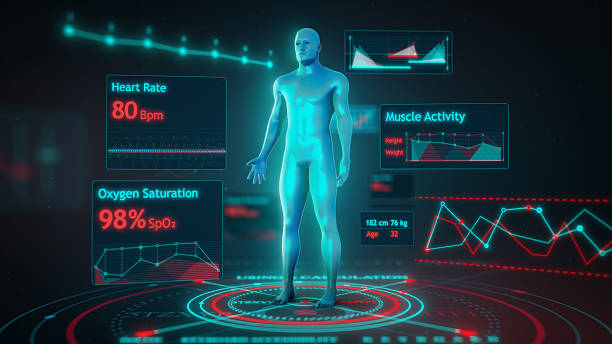
Allergies are becoming increasingly common across the world. Food allergies, drug sensitivities, and environmental triggers affect millions of people daily. For many sufferers, a simple exposure can escalate into a life-threatening emergency within minutes. In those critical moments, quick access to accurate medical information can mean the difference between recovery and tragedy.
Emergency responders often rely on visible cues to guide treatment decisions. However, identifying a person’s allergies is not always straightforward. Some individuals may be unconscious or unable to communicate. Others may be children who cannot clearly explain their condition. Consequently, medical identification tools play a crucial role in emergency care.
Traditionally, allergy sufferers have relied on engraved bracelets or necklaces to communicate vital details. While helpful, these tools offer limited space and static information. Today, however, innovation is reshaping this landscape. Wearable technologies such as a QR medical ID tag allow responders to scan and instantly access detailed, up-to-date health information. This shift marks a significant step toward smarter and faster emergency response systems.
Growing Need for Advanced Medical Identification
Allergy cases have risen steadily over the past decades. According to global health studies, food allergies alone affect a growing percentage of children and adults. In addition, severe reactions such as anaphylaxis require immediate intervention. Delays in treatment can increase complications and even result in fatal outcomes.
Moreover, modern lifestyles introduce new allergens into daily life. Processed foods, environmental pollutants, and evolving medications create complex risk profiles. Many people manage multiple allergies at once. As a result, emergency responders need more comprehensive data than ever before.
Fast identification is not merely convenient; it is lifesaving. When medical teams know the exact allergen, they can avoid harmful medications. They can also administer appropriate treatment quickly. Therefore, improving medical identification systems is both a technological and humanitarian priority.
Limitations of Traditional Medical IDs
Engraved Bracelets and Necklaces
For decades, engraved medical bracelets have served as the primary identification tool for allergy sufferers. These accessories typically display brief information, such as “Peanut Allergy” or “Penicillin Allergy.” While visible and straightforward, they have notable limitations.
First, space constraints restrict the amount of information displayed. Complex medical histories cannot fit on a small metal surface. Additionally, engraved text cannot be updated easily. If a patient develops new allergies, the bracelet must be replaced.
Second, responders may overlook traditional IDs during chaotic emergencies. In some cases, jewelry may break or be removed. Consequently, reliance solely on physical engravings can pose risks.
Static and Outdated Information
Another challenge involves outdated information. Medical conditions evolve over time. New medications may be added to treatment plans. Allergies may intensify or change. However, static identification tools cannot reflect these updates dynamically.
Furthermore, global travel introduces language barriers. Engraved text may not be understood universally. In emergencies abroad, this limitation could delay proper care. Therefore, while traditional IDs remain valuable, they no longer meet the full demands of modern healthcare.
Emerging Technologies in Medical Identification
Digital Medical ID Cards
Digital medical ID cards represent one of the first steps toward modernization. These cards often include scannable codes that link to online health profiles. Unlike engraved jewelry, they provide expanded information capacity.
Importantly, digital records can be updated remotely. This ensures that emergency personnel access the latest data. However, cards still require responders to notice and scan them intentionally. Therefore, integration with wearable technology enhances effectiveness.
Smart Wearables and QR Integration
Smart bracelets and pendants now incorporate scannable features. With a quick smartphone scan, responders can view allergy lists, medications, emergency contacts, and physician details. These tools eliminate guesswork during critical situations.
Moreover, QR-enabled devices are cost-effective and widely accessible. Smartphones are common among emergency personnel. Consequently, scanning a code requires minimal additional equipment. This practicality accelerates adoption.
NFC Chips and Contactless Access
Near Field Communication, or NFC, chips offer another innovation. By tapping a smartphone against the wearable, responders can retrieve health data instantly. NFC systems often function even without internet connectivity.
This offline capability enhances reliability. In remote areas or during network disruptions, access remains possible. Therefore, combining QR codes with NFC technology creates a robust identification system.
Smartphone Health App Integration
Many individuals already use smartphone health apps to store medical information. Future medical identification tools will likely integrate directly with these applications. Emergency access features can display allergy information on lock screens.
Additionally, wearable devices may sync automatically with cloud-based health platforms. This synchronization ensures consistency across systems. Ultimately, integration reduces fragmentation and improves accuracy.
Real-Time Data and Cloud-Based Records
Instant Access to Updated Information
Cloud-based medical records allow continuous updates. When patients visit doctors, new information can be uploaded immediately. Therefore, emergency responders receive current and accurate details.
Real-time updates also benefit caregivers. Parents of children with allergies can modify records as needed. This dynamic approach strengthens safety measures.
Secure Sharing with Emergency Services
Secure platforms enable authorized access to sensitive data. Encryption ensures that information remains protected. At the same time, emergency personnel can unlock critical details quickly.
In many cases, systems allow tiered access levels. Basic allergy information may appear instantly. Additional medical history may require authentication. This layered model balances speed with privacy.
Integration with Hospital Systems
Future identification systems may connect directly with hospital databases. Once a patient arrives, medical teams can retrieve full records seamlessly. This integration reduces paperwork and administrative delays.
Moreover, interoperability between platforms enhances efficiency. Hospitals, clinics, and emergency units can share standardized data formats. As a result, treatment decisions become more informed.
AI and Smart Emergency Response
Automated Alerts and Notifications
Artificial intelligence can enhance identification systems further. Wearable devices may detect physiological changes that signal allergic reactions. For example, heart rate spikes or breathing irregularities could trigger alerts.
These alerts could notify emergency contacts or nearby responders automatically. Early warning systems shorten response time significantly.
Predictive Risk Monitoring
AI algorithms can analyze patterns in allergy incidents. By studying triggers and responses, systems may predict potential risks. This predictive capability empowers individuals to avoid dangerous exposures.
Additionally, personalized emergency protocols can be embedded into identification systems. Responders receive tailored guidance based on patient history. Consequently, treatment becomes more precise.
Privacy and Data Security Considerations
While innovation offers benefits, privacy concerns must be addressed carefully. Health data is deeply personal and sensitive. Unauthorized access could lead to misuse.
Encryption, secure authentication, and user-controlled permissions are essential safeguards. Patients should decide who accesses their information. Transparent policies build trust in new technologies.
Moreover, regulatory frameworks must evolve alongside innovation. Governments and healthcare organizations should establish clear standards. These standards ensure both accessibility and protection.
Balancing convenience with confidentiality remains a central challenge. However, thoughtful design can achieve both objectives effectively.
Benefits for Allergy Sufferers
Faster Treatment Decisions
Advanced identification systems accelerate treatment. When responders know exact allergens, they avoid contraindicated medications. This precision reduces complications.
Additionally, clear information minimizes diagnostic guesswork. Time saved during emergencies can save lives.
Reduced Medical Errors
Medical errors often occur due to incomplete information. Digital identification reduces this risk significantly. Comprehensive records support accurate interventions.
Furthermore, language translation features can eliminate communication barriers. International travelers benefit greatly from such functionality.
Greater Independence and Peace of Mind
Beyond emergencies, modern identification tools provide emotional reassurance. Allergy sufferers gain confidence knowing their information is accessible.
Parents of children with severe allergies also experience relief. They can trust that caregivers and responders have access to vital details. This peace of mind enhances the quality of life.
Looking Ahead: A Smarter and Safer Future
The future of medical identification for allergy sufferers is intelligent, connected, and responsive. Passive metal engravings are giving way to interactive digital systems. These systems adapt to evolving medical needs.
Importantly, technology alone is not the solution. Education and awareness must accompany innovation. Emergency personnel need training to recognize and use advanced tools effectively.
As adoption increases, costs will likely decrease. Broader accessibility ensures that individuals across socioeconomic backgrounds benefit. Equity should remain central to technological progress.
In conclusion, medical identification is entering a transformative era. By integrating wearable technology, cloud-based records, and artificial intelligence, healthcare systems can respond faster and more accurately. For allergy sufferers, this progress represents safety, empowerment, and hope for a more secure future.