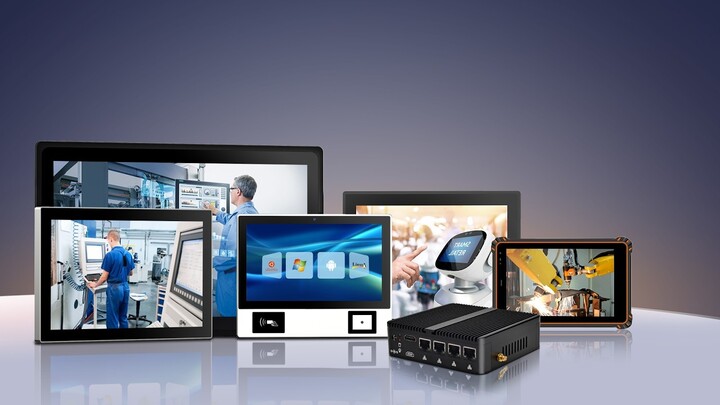
In today’s rapidly evolving industrial landscape, the panel PC has emerged as a cornerstone technology for automation, monitoring, and control. As businesses push for smarter operations, the integration of robust computing platforms directly into machinery and workspaces has become critical. Panel PCs offer a seamless blend of durability, functionality, and adaptability that meets the needs of modern industries. Whether for manufacturing, logistics, or process control, these versatile systems improve workflow, enhance visibility, and support real‑time decision‑making.
What Is a Panel PC?
A panel PC is an all‑in‑one computing device that integrates a touchscreen display with an industrial‑grade computer. Designed to withstand harsh environments, panel PCs replace traditional desktops and laptops in settings where ruggedness and reliability are essential. Unlike conventional computers, panel PCs are built to endure dust, moisture, vibration, and temperature extremes. Their compact form factor allows them to be mounted directly onto machinery, walls, or workstations, providing operators with intuitive interaction and control over connected systems.
Panel PCs are widely used in industrial automation, factory floors, warehouses, and commercial environments. They serve as Human‑Machine Interfaces (HMIs), data terminals, and control hubs, enabling operators to monitor production lines, adjust parameters, and access critical information without the need for external peripherals.
Key Features of Panel PCs
1. Rugged Construction
Panel PCs are engineered to operate in demanding environments. With robust enclosures, sealed touchscreens, and industrial‑grade components, they ensure long‑term reliability where standard computers would fail.
2. Touchscreen Input
The touchscreen interface is a major advantage of panel PCs, offering intuitive, direct interaction. Operators can navigate applications, enter data, and manage systems with ease, eliminating the need for keyboards or mice.
3. Space‑Saving Design
Because panel PCs combine display and computing into a single unit, they require minimal space. This is ideal for environments where floor space is limited or where clean, unobtrusive installations are preferred.
4. Customizable Configurations
Manufacturers offer panel PCs with varied screen sizes, processor options, memory capacities, and connectivity interfaces. This flexibility allows businesses to tailor solutions to specific operational needs.
5. Enhanced Connectivity
Industrial applications demand reliable communication with peripheral devices, sensors, and networks. Panel PCs are equipped with multiple I/O ports, Ethernet, USB, serial communication options, and sometimes wireless connectivity to support diverse integration requirements.
Benefits of Using Panel PCs
Increased Operational Efficiency
Panel PCs streamline interaction between operators and machinery. By centralizing control and data visualization, they reduce downtime and improve response times to system alerts and performance metrics.
Improved Reliability
Industrial operations cannot afford frequent system failures. Panel PCs are designed with durable components that withstand continuous use, extreme temperatures, and tough environmental conditions, ensuring uptime and consistent performance.
Simplified Maintenance and Deployment
With fewer components than traditional PC setups, panel PCs simplify installation and maintenance. Their integrated design reduces the complexity of cabling and peripheral management, which translates to lower maintenance costs and quicker deployment.
Scalability and Flexibility
Panel PCs can be adapted to various use cases, from factory automation and quality control to inventory management and smart building systems. Organizations can scale deployments as technology needs grow without complex redesigns.
Applications of Panel PCs Across Industries
Manufacturing
Panel PCs are widely used on production lines to monitor equipment performance, display process data, and control automation systems. Their rugged design supports 24/7 operations and harsh factory conditions.
Transportation and Logistics
In logistics hubs and transportation systems, panel PCs provide operators with real‑time tracking, scheduling, and inventory management. Their connectivity and touchscreen capabilities make them ideal for high‑speed environments.
Energy and Utilities
Panel PCs help monitor and manage utility infrastructure, including power generation and distribution systems. Their reliability ensures uninterrupted data access and control even in remote or demanding locations.
Healthcare and Laboratories
Medical facilities use panel PCs for data entry, patient monitoring, and equipment control. Their seamless interface and hygienic design make them suitable for clinical environments.
Food and Beverage Processing
Hygienic design and resistance to moisture and contaminants make panel PCs suitable for food processing environments where sanitation and durability are critical.
Choosing the Right Panel PC
When selecting a panel PC, several factors should guide decision‑making:
-
Environmental Requirements: Assess temperature ranges, humidity, and exposure to dust or liquids to choose appropriate ruggedness ratings.
-
Performance Needs: Consider processor speed, memory, and storage based on the complexity of applications.
-
Size and Mounting: Select screen sizes and mounting options that fit the workspace and operational workflow.
-
Connectivity: Ensure the panel PC supports the necessary communication interfaces for peripherals and network systems.
-
Long‑Term Support: Choose vendors that offer reliable after‑sales support, warranties, and upgrade paths.
Future Trends in Panel PC Technology
As industries adopt more connected systems and edge computing, panel PCs are expected to evolve with enhanced processing power, AI capabilities, and industrial IoT integration. Future panel PCs may incorporate advanced analytics, predictive maintenance features, and expanded wireless connectivity to support smart factories and digital transformation initiatives.
Conclusion
Panel PCs have become an indispensable tool in today’s industrial and commercial environments. Their rugged design, intuitive interfaces, and adaptability make them ideal for a wide range of applications—from manufacturing floors to transportation hubs and beyond. By integrating computing power directly where it is needed most, panel PCs help organizations improve efficiency, reliability, and operational visibility. As businesses continue to pursue automation and smart systems, the demand for advanced panel PC solutions will only grow. At Esis, we understand the importance of reliable and high‑performance industrial computing solutions and are committed to supporting businesses with the right technologies to drive productivity and growth.