How to Clean Dentures the Right Way
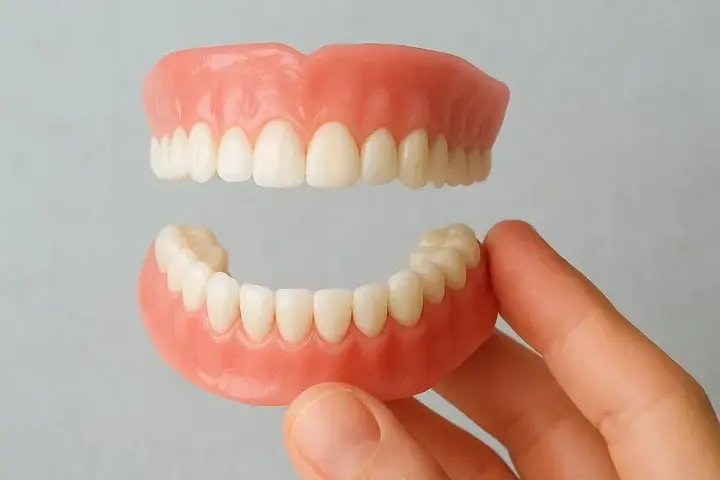
Dentures can help you eat better, speak more clearly and smile with more comfort. But they need daily care. Many people think dentures do not need much cleaning because they are not natural teeth. That is not true. Dentures can still collect food bits, stains , plaque and bad smells.
A simple cleaning routine can keep your dentures fresh and comfortable. It can also protect your gums and the rest of your mouth. Whether you wear full dentures or partial dentures you should clean them with care every day.
If you are using Dentures in Cudahy or planning to get them soon this guide will help you understand the right way to clean them at home.
Why Proper Denture Cleaning Is Important
Clean dentures feel better in your mouth. They also look better when you smile. When food or plaque stays on dentures it can cause bad breath and gum irritation. It may also make your dentures feel less comfortable.
Daily cleaning helps remove buildup before it becomes harder to clean. It also helps protect your mouth from soreness. Your gums need to stay clean and healthy because dentures rest on them for many hours.
Good care can also help your dentures last longer. Dentures are made to be strong but they can still get damaged by harsh cleaners rough brushing or hot water.
What You Need Before Cleaning Dentures
You do not need many things to clean dentures well. You just need the right tools and a gentle hand.
Soft denture brush
Use a soft denture brush or a soft toothbrush. A hard brush can scratch the surface. Scratches can trap stains and food.
Mild denture cleanser
Use a cleanser made for dentures. A mild soap may also be safe in many cases. Regular toothpaste can be too rough for dentures.
Clean towel or bowl of water
Dentures can break if they fall on a hard sink or floor. Place a towel in the sink or fill the sink with water before cleaning them.
Denture soaking solution
A soaking solution can help loosen stains and keep dentures moist. Always follow the product directions.
Fresh water
Rinse your dentures well before putting them back in your mouth. This is very important after soaking them in a cleaning solution.
How to Clean Dentures Step by Step
Cleaning dentures is simple when you follow a steady routine.
Remove your dentures carefully
Take your dentures out slowly. Use both hands if needed. Do not bend or twist them. If they feel stuck ask your dentist for advice instead of pulling too hard.
Rinse them after eating
Rinse your dentures with water after meals. This helps remove loose food. It also keeps food from drying on the surface.
Brush every surface gently
Brush the outside inside and chewing surfaces. Be gentle around any clasps on partial dentures. If you have partial dentures in Cudahy ask your dental team how to clean around metal or flexible parts safely.
Clean the gum fitting area
The side that touches your gums also needs cleaning. Food and plaque can collect there. Brush it softly so the denture keeps a smooth fit.
Rinse well before wearing
Rinse your dentures with clean water before putting them back in your mouth. This helps remove leftover cleanser.
The Right Way to Soak Dentures Overnight
Most dentures need to stay moist when they are out of your mouth. If they dry out they may lose their shape. Soaking can also help loosen stains and buildup.
Use lukewarm water or a denture soaking solution. Do not use hot water. Hot water can change the shape of dentures and affect the fit.
Always read the soaking product label. Some products are not made for long overnight soaking. Some may not be safe for metal parts. When in doubt ask your dentist what is best for your denture type.
Rinse your dentures well in the morning before wearing them again.
How to Clean Your Mouth After Removing Dentures
Cleaning dentures is only one part of the routine. You also need to clean your mouth.
Brush your gums softly
Use a soft toothbrush or clean gauze to wipe your gums. This helps remove plaque and keeps your mouth fresh.
Clean your tongue and roof of the mouth
The tongue and roof of your mouth can hold germs and odor. Clean them gently every day.
Rinse your mouth well
Rinse with water after cleaning your mouth. This helps wash away loose buildup.
Give your gums time to rest
Your gums need a break from denture pressure. Many people remove dentures at night unless their dentist gives different advice.
Things You Should Not Use on Dentures
Some cleaning habits can damage dentures. Avoid these common mistakes.
Hot water
Hot water can bend or warp dentures. Always use cool or lukewarm water.
Hard toothbrushes
A hard brush can leave tiny scratches. These scratches can hold stains and odor.
Regular toothpaste
Many toothpastes are made for natural teeth. They can be too abrasive for dentures.
Bleach or harsh cleaners
Bleach and household cleaners can damage denture material. They may also be unsafe for your mouth.
Sharp tools
Do not scrape stains with knives pins or toothpicks. This can scratch or crack the denture.
How to Handle Stains and Bad Smell
Stains can happen from coffee tea tobacco or dark foods. Bad smell can happen when food and plaque stay on dentures too long.
Start with daily brushing and safe soaking. This helps with most light stains and odor. If stains do not come off do not scrub harder. Rough scrubbing can damage the denture.
A dentist can clean stubborn stains safely. A dentist can also check if bad smell is coming from poor fit gum irritation or trapped food.
People who want custom dentures in Cudahy should also ask how to care for the material used in their dentures. Different denture types may need slightly different care.
Common Denture Cleaning Mistakes
Many denture problems come from small habits. These habits may seem harmless at first.
Sleeping with dirty dentures
Wearing dirty dentures for too long can irritate your gums. Clean them before bedtime.
Skipping daily brushing
Soaking alone is not enough. You still need gentle brushing to remove buildup.
Not cleaning the mouth
Clean gums help dentures feel better. They also help reduce bad breath.
Forgetting to rinse after cleanser
Denture cleansers are not meant to stay in your mouth. Always rinse well before wearing dentures.
How Often Should You Clean Dentures
Rinse your dentures after eating when you can. Brush them at least once each day. Soak them as directed when they are out of your mouth overnight.
You should also keep regular dental visits. A dentist can check the fit and look for sore spots. Dentures can change over time because your gums and jaw shape may change.
A Trusted Dentist in Cudahy can also tell you if your dentures need adjustment, repair or replacement.
Simple Daily Denture Care Routine
|
Time |
What to Do |
|
Morning |
Rinse dentures before wearing |
|
After meals |
Remove and rinse dentures |
|
Evening |
Brush dentures gently |
|
Night |
Soak dentures safely |
|
Daily |
Clean gums tongue and mouth |
Conclusion
Cleaning dentures the right way does not have to be hard. A few small steps can make a big difference. Rinse after meals. Brush gently every day. Soak safely at night. Clean your gums and mouth too.
Avoid hot water, rough brushes, regular toothpaste bleach and sharp tools. These can damage your dentures or make them uncomfortable.
When dentures feel loose, painful, cracked or stained beyond home care visit your dentist. Good denture care keeps your smile cleaner, fresher and more comfortable every day.
FAQs
Can I clean my dentures with regular toothpaste?
Regular toothpaste may be too rough for dentures. It can leave small scratches on the surface. Use a denture cleanser or ask your dentist which gentle cleaner is safe for your denture type.
Should I sleep while wearing my dentures at night?
Many people remove dentures at night to let their gums rest. Your dentist may give different advice based on your mouth and denture type. Always follow the care plan given to you.
How do I remove stains from my dentures?
Brush gently and use a safe denture soaking solution. Do not scrape stains with sharp tools. If stains stay after cleaning, ask your dentist for professional cleaning instead of scrubbing harder.